4 citations
,
February 2025 in “Journal of Autoimmunity” Alopecia Areata often runs in families and is linked to other autoimmune conditions.
2 citations
,
March 2007 in “The journal of investigative dermatology/Journal of investigative dermatology” A new type of hereditary hair loss in a Chinese family is linked to chromosome 2p25.1–2p23.2.
9 citations
,
June 1999 in “Journal of Investigative Dermatology” The HPV type 11 region activates hair-specific gene expression in mice.
January 2012 in “Faculty of Health; Institute of Health and Biomedical Innovation” Early-onset hair loss is linked to Parkinson's disease and decreased fertility.
 6 citations
,
May 2012 in “Archives of Dermatological Research”
6 citations
,
May 2012 in “Archives of Dermatological Research” A new mutation in the HR gene is linked to a rare form of hair loss with limb deformities.
8 citations
,
December 2013 in “The journal of investigative dermatology. Symposium proceedings/The Journal of investigative dermatology symposium proceedings” Mouse models help understand alopecia areata and find treatments.
 July 2023 in “Deleted Journal”
 Alopecia areata is the most common type of baldness treated with corticosteroids and minoxidil.
1 citations
,
August 2023 in “Biomolecules” Certain immune-related proteins are higher in people with alopecia and their healthy relatives, hinting at a genetic link.

Tofacitinib effectively regrows hair in alopecia universalis triggered by a virus.
July 1996 in “Hair transplant forum international” November 2023 in “Advances in clinical medical research & healthcare delivery” 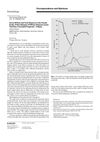 29 citations
,
January 2003 in “Dermatology”
29 citations
,
January 2003 in “Dermatology” The condition called 'acute diffuse and total alopecia of the female scalp' is actually a known condition named alopecia areata incognita.
69 citations
,
July 2002 in “Clinical and Experimental Dermatology” Alopecia areata is influenced by genetics and immune system factors, and better understanding could improve treatments.
5alpha-DHP may be a safe, effective treatment for certain seizures without causing sedation.
37 citations
,
January 1993 in “Journal of Investigative Dermatology” January 2026 in “Updates in clinical dermatology” 5 citations
,
May 2022 in “Lara D. Veeken” A rare genetic condition can mimic symptoms of other diseases, making diagnosis challenging.
March 2022 in “Veterinary dermatology” A one-year-old cat had multiple benign skin tumors similar to those known in humans.
1 citations
,
September 2023 in “Frontiers in Genetics” A heterozygous mutation in HTRA1 can cause severe CARASIL symptoms.
 62 citations
,
April 2008 in “Neurobiology of aging”
62 citations
,
April 2008 in “Neurobiology of aging” Scientists found a gene in mice that causes early hearing loss.
9 citations
,
January 2015 in “Veterinary record case reports” A dog in Germany was successfully treated for a rare bacterial infection without spreading it to humans.
19 citations
,
March 2016 in “British journal of dermatology/British journal of dermatology, Supplement” Trichodysplasia spinulosa is a rare skin disease in immunocompromised patients caused by a specific virus targeting hair follicle cells.
43 citations
,
May 2011 in “Dermatologic therapy” New genetic discoveries in alopecia areata could lead to better treatments.
 April 2022 in “Cermin Dunia Kedokteran”
 Accurate diagnosis and understanding of alopecia areata in children are crucial for proper treatment.
18 citations
,
June 2010 in “Cell Stress and Chaperones” Heat treatment increases hair loss in certain mice.
December 2015 in “PLOS Genetics”  6 citations
,
November 2019 in “The application of clinical genetics”
6 citations
,
November 2019 in “The application of clinical genetics” The study found that a specific genetic variation in the TNFα gene is significantly linked to Alopecia Areata in the Jordanian Arab population.
 6 citations
,
July 2020 in “Journal of The American Academy of Dermatology”
6 citations
,
July 2020 in “Journal of The American Academy of Dermatology” Hair loss link to severe COVID-19 unclear.
October 2021 in “European Journal of Dermatology” CAL-PDT is safer and more effective for treating actinic keratosis on the scalp.
July 2023 in “Indian Journal of Sexually Transmitted Diseases and AIDS” "Moth-eaten alopecia" can be a sign of secondary syphilis, treatable with penicillin.