 4 citations
,
March 2020 in “Berkala Ilmu Kesehatan Kulit dan Kelamin”
4 citations
,
March 2020 in “Berkala Ilmu Kesehatan Kulit dan Kelamin” HIV-infected men who have sex with men are at higher risk for aggressive syphilis, but treatment and tests are effective.
 December 2023 in “Curēus”
 COVID-19 vaccination does not significantly increase the risk of developing alopecia areata.
 4 citations
,
August 2007 in “PubMed”
4 citations
,
August 2007 in “PubMed” A woman lost all her body hair after hepatitis C treatment, but it started to grow back a year after stopping the treatment.
 July 2023 in “British journal of dermatology/British journal of dermatology, Supplement”
 HPV8 E6 gene causes growth of certain skin stem cells.
5 citations
,
October 1990 in “Archives of Dermatology” June 2023 in “Value in Health” Alopecia areata treatments often cause headaches and infections, highlighting the need for safer options.
 2 citations
,
October 2021 in “Research Square (Research Square)”
2 citations
,
October 2021 in “Research Square (Research Square)” Older age and prostatic hyperplasia in males increase the risk of hemorrhagic cystitis after stem cell transplantation.
September 2025 in “Biology of Sex Differences” Females have a higher lifetime risk of alopecia areata than males.
August 2026 in “Clinical Cosmetic and Investigational Dermatology” Pegylated interferon alpha therapy causes more severe hair loss in chronic hepatitis B patients.
January 2016 in “Memorial University Research Repository (Memorial University)” Hereditary hyperplastic gingivitis in silver foxes may be linked to errors in the MAPK signaling pathway, influenced by androgens.
 32 citations
,
March 2021 in “Journal of cosmetic dermatology (Print)”
32 citations
,
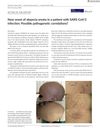
March 2021 in “Journal of cosmetic dermatology (Print)” COVID-19 infection may trigger alopecia areata in some patients.
 5 citations
,
September 2013 in “The Journal of Dermatology”
5 citations
,
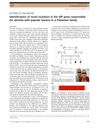
September 2013 in “The Journal of Dermatology” Researchers found a new mutation in the HR gene causing hair loss and skin bumps in a Pakistani family.
 1 citations
,
February 2013 in “Clinical pediatrics”
1 citations
,
February 2013 in “Clinical pediatrics” The baby’s hair loss was due to a rare genetic condition, not treatable by usual methods.
2 citations
,
April 2024 in “AIDS Research and Therapy” Syphilis can cause hair loss and skin changes in HIV-positive patients, and proper treatment can resolve these symptoms.
 July 2024 in “Egyptian Journal of Medical Human Genetics”
 These gene variations are not linked to alopecia areata in Egyptians.
April 2023 in “Media Dermato Venereologica Indonesiana” COVID-19 reinfection may trigger alopecia areata.
28 citations
,
October 2017 in “Journal of the American Academy of Dermatology” Pediatric alopecia areata is rare, affecting more girls than boys, and peaks at ages 9-12.
20 citations
,
October 2005 in “Archives of Dermatological Research”  April 2020 in “International journal of research in dermatology”
 An 8-year-old girl has a rare, irreversible hair loss condition caused by a genetic mutation.
 April 2021 in “HIV & AIDS Review”
 Glycyrrhizinic acid spray showed limited effectiveness in treating anogenital warts in HIV patients with low CD4 levels.
 1 citations
,
October 2022 in “Curēus”
1 citations
,
October 2022 in “Curēus” Diagnosing simple-virilizing congenital adrenal hyperplasia can be difficult and requires thorough testing and expert advice.
July 2024 in “Journal of Investigative Dermatology” The Fas/FasL pathway may play a role in alopecia areata.
 1 citations
,
April 2023 in “Clinical, cosmetic and investigational dermatology”
1 citations
,
April 2023 in “Clinical, cosmetic and investigational dermatology” Antigens from skin cells may cause hair loss in perinevoid alopecia.
17 citations
,
May 2007 in “British Journal of Dermatology” Gomez–Lopez–Hernandez syndrome can cause focal hair loss and developmental delays but some children can still function well and excel in school and sports.
 October 2021 in “The Egyptian Journal of Hospital Medicine”
 Alopecia areata causes patchy hair loss and involves immune system disruptions.
1 citations
,
February 2024 HPV6/11 is often found in hair of men with anogenital warts, especially pubic hair, and can lead to recurrent warts.
 11 citations
,
March 2014 in “Journal of The European Academy of Dermatology and Venereology”
11 citations
,
March 2014 in “Journal of The European Academy of Dermatology and Venereology” Hair loss gene linked to prostate issues.
 24 citations
,
November 2023 in “NEWPORT INTERNATIONAL JOURNAL OF SCIENTIFIC AND EXPERIMENTAL SCIENCES”
24 citations
,
November 2023 in “NEWPORT INTERNATIONAL JOURNAL OF SCIENTIFIC AND EXPERIMENTAL SCIENCES” ART for HIV/AIDS can cause side effects but is crucial for managing the infection.
 January 2023 in “Annals of Dermatology”
 Patients with a specific genetic variant have more severe alopecia areata and higher recurrence rates.
October 2024 in “Frontiers in Immunology” Pertussis toxin may contribute to hair loss in alopecia areata.