 July 2021 in “Clinical case reports and studies”
 Topical diphencyprone effectively treated a 9-year-old boy's alopecia areata with fewer side effects.
 11 citations
,
October 2016 in “Pediatric dermatology”
11 citations
,
October 2016 in “Pediatric dermatology” Stopping the use of fluocinolone oil containing balsam fragrance improved hair regrowth in children allergic to it.
February 2023 in “Reactions Weekly” 65 citations
,
December 2015 in “Experimental dermatology” Corticosteroid treatment reduces inflammation and alters hair keratins in alopecia areata.
Antifungal treatment reduced asthma exacerbations and corticosteroid use but its overall benefit is unclear.
10 citations
,
October 2018 in “Neurology Neuroimmunology & Neuroinflammation” Systemic corticosteroids might help treat hair loss caused by alemtuzumab in MS patients.
39 citations
,
January 2012 in “Dermatology” Combining high-dose corticosteroids with methotrexate may be effective and safe for severe alopecia areata.
24 citations
,
November 1992 in “Archives of Dermatology” Prednisone can regrow hair in alopecia areata, and minoxidil helps maintain it.
February 2025 in “Canadian Journal of Health Technologies” Baricitinib is effective and cost-efficient for treating severe alopecia areata in adults.
 January 2017 in “Nasza Dermatologia Online”
 Both treatments helped hair regrowth in alopecia areata, with isopropanol being better tolerated.
5 citations
,
January 1995 in “Journal of Dermatological Treatment” Calcipotriol does not improve the effectiveness of squaric acid dibutylester in treating alopecia areata.
A rare skin reaction occurred when a man took paracetamol, causing a new rash in an area already affected by hair loss.
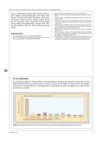
The document corrects a mistake by stating that pimecrolimus, not tacrolimus, is the drug that concentrates in the skin.
January 2024 in “International Journal of Dermatology Research” PRP is more effective than triamcinolone for treating alopecia areata.
 November 2025 in “The Bioscan.”
 Pix Liquida may help treat alopecia areata.
September 2023 in “Journal of the American Academy of Dermatology” Methylprednisolone treatment helps most alopecia areata patients, but young age, extensive hair loss, and low vitamin D can affect results.
 26 citations
,
March 2015 in “American journal of clinical dermatology”
26 citations
,
March 2015 in “American journal of clinical dermatology” Topical clobetasol is recommended over mycophenolate mofetil for treating Lichen Planopilaris due to better safety and patient satisfaction.
 July 2013 in “Journal of clinical & experimental dermatology research”
 Bimatoprost can help treat hair loss.
1 citations
,
November 2023 in “Acta Dermato Venereologica”  45 citations
,
January 2010 in “International journal of trichology”
45 citations
,
January 2010 in “International journal of trichology” Topical immunotherapy, especially with DPCP, is effective for treating severe alopecia areata.
 8 citations
,
June 2022 in “Frontiers in Medicine”
8 citations
,
June 2022 in “Frontiers in Medicine” Both individual and combined treatments of tofacitinib and corticosteroids can help regrow hair in moderate-to-severe alopecia areata, but ongoing treatment may be necessary.
 2 citations
,
November 1990 in “International Journal of Dermatology”
2 citations
,
November 1990 in “International Journal of Dermatology” Albendazole can cause hair loss, and piroxicam can cause fixed drug eruption.
46 citations
,
September 2010 in “Veterinary Dermatology” Many alpacas have skin diseases, with bacterial infections being the most common.
 1 citations
,
January 2005 in “Side effects of drugs annual”
1 citations
,
January 2005 in “Side effects of drugs annual” The document concluded that various dermatological treatments have different effectiveness and side effects, with some causing irritation, allergic reactions, or systemic effects.
19 citations
,
April 2014 in “Veterinary Dermatology” Demodicosis should be considered in cats with facial skin issues exposed to inhalant glucocorticoids.
November 2012 in “Annales de Dermatologie et de Vénéréologie” Frontal fibrosing alopecia can occur in children, not just postmenopausal women.
1 citations
,
January 2017 in “International journal of trichology” Diphenylcyclopropenone (DPCP) effectively treated both alopecia areata and verruca vulgaris.
 13 citations
,
June 2010 in “Journal of dermatological treatment”
13 citations
,
June 2010 in “Journal of dermatological treatment” Diphencyprone is effective for treating patchy hair loss in alopecia areata, but tacrolimus is not.
75 citations
,
September 1971 in “British Journal of Dermatology” Both steroids effectively promote hair growth for at least 9 months.
December 2023 in “JAAD Case Reports” Intralesional corticosteroids effectively treat localized alopecia areata, often sparing white hairs.