4 citations
,
January 2009 in “International journal of trichology” Minoxidil topical foam is a better, less irritating treatment for hair loss.
 2 citations
,
December 2019 in “Biomedical dermatology”
2 citations
,
December 2019 in “Biomedical dermatology” Minoxidil works faster, but ketoconazole is a safer alternative for female hair loss.
 81 citations
,
July 2012 in “Translational Psychiatry”
81 citations
,
July 2012 in “Translational Psychiatry” Memantine may slightly improve memory in people with Down syndrome, but more research is needed.
November 2003 in “PubMed” 4 citations
,
December 2023 in “Frontiers in Pharmacology” Topical metformin effectively treats melasma with minimal side effects.
 8 citations
,
October 2015 in “Asian Journal of Chemistry”
8 citations
,
October 2015 in “Asian Journal of Chemistry” A new method was created to accurately measure minoxidil and aminexil in hair loss treatments.
3 citations
,
January 2011 in “Yearbook of Dermatology and Dermatologic Surgery” July 2026 in “Postgraduate Medicine” Finasteride for hair loss often causes depression, with risks outweighing benefits.
1 citations
,
June 2013 in “Annals of the Rheumatic Diseases” Methotrexate plus prednisolone had the fewest serious side effects.
 39 citations
,
February 2021 in “Journal of The American Academy of Dermatology”
39 citations
,
February 2021 in “Journal of The American Academy of Dermatology” Low-dose oral minoxidil safely treats hair loss, with hypertrichosis as main side effect.
November 2025 in “Revista Foco” Minoxidil effectively promotes hair growth for alopecia, especially when combined with other treatments and proper monitoring.
 June 2017 in “Journal of The American Academy of Dermatology”
 The new treatment was safe and may effectively treat male pattern hair loss.
 24 citations
,
April 2014 in “Oncotarget”
24 citations
,
April 2014 in “Oncotarget” Minoxidil can reduce functions related to androgen receptors.
 June 2017 in “Journal of The American Academy of Dermatology”
 Teriflunomide often causes mild to moderate hair thinning and loss in MS patients, which usually improves with or without treatment.
5 citations
,
March 2012 in “Veterinary dermatology” A cat developed a skin lesion from a topical solution, which healed with minoxidil treatment.

Deuruxolitinib is approved to treat severe alopecia areata in adults.
 2 citations
,
October 2002 in “American Journal of Nursing”
2 citations
,
October 2002 in “American Journal of Nursing” Taking the same medication under different brand names caused harmful side effects.
 18 citations
,
October 2010 in “Bioorganic & Medicinal Chemistry Letters”
18 citations
,
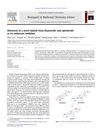
October 2010 in “Bioorganic & Medicinal Chemistry Letters” New hybrid compound found to effectively prevent hair loss.
March 2026 in “The Journal of Dermatology” Ritlecitinib is cost-effective for severe alopecia areata in Japan.
 January 2026 in “International Journal of Applied Pharmaceutics”
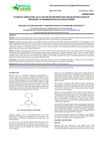
 The method accurately measures Minoxidil in drugs and is reliable for routine use.
2 citations
,
January 1997 in “Mapping” Gambogic Amide may prevent hair greying and promote hair growth by maintaining hair pigmentation.
 April 2024 in “Expert opinion on investigational drugs”
 JAK inhibitors are safe and effective for treating moderate-to-severe alopecia areata.
 August 2009 in “Australian Prescriber”
 Eculizumab helps reduce blood transfusions and stabilize hemoglobin but increases infection risk and is expensive.
3 citations
,
January 2018 in “Archives of Disease in Childhood” Switching to generic tacrolimus was safe, effective, and saved money.
1 citations
,
December 2007 in “Journal of Microbiology and Biotechnology” Minoxidil in triamino alpha-cyclodextrin promotes hair growth effectively.
 June 2024 in “BioSCIENCE”
 Microinfusion of methotrexate can help treat frontal fibrosing alopecia.
Three reliable methods were developed to measure Finasteride and Tamsulosin Hydrochloride in medicines.
 8 citations
,
October 2018 in “Journal of The American Academy of Dermatology”
8 citations
,
October 2018 in “Journal of The American Academy of Dermatology” The review suggests there's no agreed treatment for Frontal Fibrosing Alopecia, but hydroxychloroquine and 5a-reductase inhibitors are most effective. New treatments like platelet-rich plasma and LED light could help if standard treatments fail.
7 citations
,
August 1996 in “The Journal of Clinical Endocrinology and Metabolism” February 2026 in “Case Reports in Dermatology” Finasteride can cause melasma, especially in people with darker skin.