 30 citations
,
May 2005 in “Pediatric dermatology”
30 citations
,
May 2005 in “Pediatric dermatology” Some families have a genetic condition where they are born with irregular scalp defects.
4 citations
,
March 2022 in “Pharmaceutics” Regenerative cellular therapies show promise for treating non-scarring hair loss but need more research.
 1 citations
,
March 2023 in “European Journal of Human Genetics”
1 citations
,
March 2023 in “European Journal of Human Genetics” The UK's EDS National Diagnostic Service found that early diagnosis, lifestyle advice, and regular check-ups are crucial for managing vascular Ehlers-Danlos syndrome. A combination of losartan and bisoprolol can reduce vascular events, improving survival and quality of life.

Fetal environments contain various chemicals that may disrupt hormones.
 March 2022 in “International Journal of Current Science Research and Review”
 Chronic ketosis in cows causes appetite changes, anemia, skin issues, increased pulse, and biochemical imbalances.
 January 2018 in “Turkiye Klinikleri Journal of Dermatology”
 Stem cell treatments show promise for treating hair loss.
52 citations
,
October 2007 in “Molecular Therapy” Injecting lentiviral vectors into early gestation mice effectively targets skin stem cells for potential gene therapy.
 April 2024 in “Materials today bio”
 The CuCS/Cur wound dressing helps regenerate nerves and heal deep skin burns by rebuilding hair follicles.
 2 citations
,
May 2023 in “Life”
2 citations
,
May 2023 in “Life” Plumbagin may help protect cells, reduce inflammation, and has potential for treating various diseases, but more research is needed.
 18 citations
,
October 2021 in “Frontiers in Physiology”
18 citations
,
October 2021 in “Frontiers in Physiology” Lipocalin-Type Prostaglandin D2 Synthase (L-PGDS) is a protein that plays many roles in the body, including sleep regulation, pain management, food intake, and protection against harmful substances. It also affects fat metabolism, glucose intolerance, cell maturation, and is involved in various diseases like diabetes, cancer, and arthritis. It can influence sex organ development and embryonic cell differentiation, and its levels can be used as a diagnostic marker for certain conditions.
 1 citations
,
December 2010 in “Elsevier eBooks”
1 citations
,
December 2010 in “Elsevier eBooks” Cell transplantation faces challenges in genitourinary reconstruction, but alternative tissue sources and microencapsulation show promise.
 14 citations
,
April 2017 in “Scientific Reports”
14 citations
,
April 2017 in “Scientific Reports” Using a perfusion system and 3D spheroid culture improves the growth of corneal cell layers for tissue engineering.
 2 citations
,
January 2023 in “Annals of Dermatology”
2 citations
,
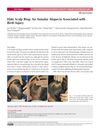
January 2023 in “Annals of Dermatology” A hairless patch on a boy's scalp from birth injury improved with minoxidil treatment.
 77 citations
,
August 2025 in “Signal Transduction and Targeted Therapy”
77 citations
,
August 2025 in “Signal Transduction and Targeted Therapy” Extracellular vesicles show promise for treating diseases but face challenges in development and regulation.
 39 citations
,
June 1982 in “The BMJ”
39 citations
,
June 1982 in “The BMJ” Blood tests confirmed a baby in the womb had a CMV infection.
 15 citations
,
January 2018 in “Biomedical Reports”
15 citations
,
January 2018 in “Biomedical Reports” Exosomes are important for skin health and could help diagnose and treat skin diseases.
 9 citations
,
August 2024 in “Tissue Engineering and Regenerative Medicine”
9 citations
,
August 2024 in “Tissue Engineering and Regenerative Medicine” Collagen-heparin-FGF2-VEGF scaffolds can improve skin healing.

Tiny particles called extracellular vesicles show potential for improving skin health in cosmetics, but more research is needed to confirm their safety and effectiveness.
 January 2016 in “Research Explorer (The University of Manchester)”
 Activating the Eda/Edar pathway improves wound healing by enhancing hair follicle growth.
 June 2008 in “British Journal of Dermatology”
 Herpes gestationis is linked to certain antigens, atopic eczema affects T cell populations and may be eased by breastfeeding, higher doses of anti-androgen treatment can improve androgenic alopecia, topical minoxidil increases hair thickness, long-term methotrexate therapy can cause liver fibrosis in psoriasis patients, and Lichen Sclerosus et Atrophicus patients aren't at higher risk for autoimmune disorders.
 January 1982 in “Journal of The American Academy of Dermatology”
 Experts discussed treatments for skin conditions in children, emphasizing hydration, cautious medication use, and early intervention for infections.
 28 citations
,
August 2015 in “Journal of functional biomaterials”
28 citations
,
August 2015 in “Journal of functional biomaterials” Cell-based therapies show promise for treating Limbal Stem Cell Deficiency but need more research.
 17 citations
,
August 2024 in “Discover Nano”
17 citations
,
August 2024 in “Discover Nano” Polyesters show promise for repairing damaged blood vessels.
 12 citations
,
May 2019 in “Stem cell reviews”
12 citations
,
May 2019 in “Stem cell reviews” Fetal-maternal stem cells in a mother's hair can help with tissue repair and regeneration long after childbirth.
 February 2026 in “Human Cell”
 MSC-CM can boost skin cell growth and movement, aiding skin repair.
 July 2024 in “Journal Of Stem Cell Research”
 Mesenchymal stem cells improve skin appearance and structure in dermatology and aesthetic medicine.
 September 2022 in “Frontiers in genetics”
 A Chinese male with a new genetic mutation has a skin condition and severe urinary issues, with treatments having mixed success.
 208 citations
,
July 2001 in “Journal of The American Academy of Dermatology”
208 citations
,
July 2001 in “Journal of The American Academy of Dermatology” Pregnancy can cause various skin changes and diseases, with PUPPP being the most common skin condition specific to pregnancy.
 168 citations
,
August 2000 in “American Journal of Pathology”
168 citations
,
August 2000 in “American Journal of Pathology” Fibromodulin might help reduce scarring if increased in adult wounds like in fetal skin that heals without scars.
 135 citations
,
December 2015 in “Expert Opinion on Biological Therapy”
135 citations
,
December 2015 in “Expert Opinion on Biological Therapy” Exosomes could potentially enhance tissue repair and regeneration with lower rejection risk and easier production than live cell therapies.