March 2011 in “Pigment Cell & Melanoma Research” The Agouti gene influences pigmentation and may have a developmental role in deer mice.
88 citations
,
May 2020 in “Clinical therapeutics” Stress can worsen skin diseases by affecting immune cells, hormones, and neurotransmitters in the skin.
3 citations
,
October 2024 in “Experimental Dermatology” Higher CRHR1 levels in AA patients lead to increased inflammation.
 6 citations
,
July 2018 in “Scientific Reports”
6 citations
,
July 2018 in “Scientific Reports” Methamphetamine affects gene expression in rat whisker follicles, with key genes linked to addiction.
May 2025 in “Journal of the ASEAN Federation of Endocrine Societies” Surgical removal of an adrenal tumor resolved hormonal issues in a young woman.
 1 citations
,
December 2025 in “Scientific Reports”
1 citations
,
December 2025 in “Scientific Reports” A machine learning model can predict alopecia areata early using specific gene markers.
The sympathetic nervous system is linked to scalp hair loss.
61 citations
,
April 2018 in “Frontiers in endocrinology” Sex steroids produced in the hippocampus are crucial for brain functions like memory and learning in rodents.
August 2019 in “Carolina Digital Repository (University of North Carolina at Chapel Hill)” DHT enhances androgen receptor activity more than testosterone, and MAGE-11 influences this activity through specific interactions.
 January 2017 in “Journal of cosmetology & trichology”
 Hair loss can cause anxiety and depression, especially in young, single women, and early psychological support is important.
 April 2026 in “bioRxiv (Cold Spring Harbor Laboratory)”
 Dopamine receptors in the brain influence itch-related scratching behavior.
23 citations
,
July 2015 in “PubMed” PDGF and its receptors are crucial for stem cell growth and function.
November 2003 in “Journal of Neurochemistry” Allopregnanolone may enhance alcohol's effects on dopamine neurons, influencing addiction risk.
May 2025 in “OSF Preprints (OSF Preprints)” Machine learning can help identify stress indicators in mothers and infants.
 2 citations
,
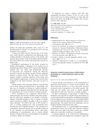
December 2008 in “Clinical and Experimental Dermatology”
2 citations
,
December 2008 in “Clinical and Experimental Dermatology” A small forehead lesion led to the discovery of a significant brain arteriovenous malformation in a young girl.
April 2021 in “Journal of Investigative Dermatology” Arg1+ macrophages may play a role in causing alopecia areata.
50 citations
,
November 2020 in “Physiology & behavior” People with depression often have higher hair cortisol levels, while those with PTSD tend to have lower levels, but more research is needed to understand this fully.
11 citations
,
April 2023 in “Skin Health and Disease” Psychological stress can worsen skin conditions like psoriasis and acne.
 October 2023 in “Journal of the Endocrine Society”
 A rare case of Cushing syndrome was successfully treated with one-sided adrenal gland removal, suggesting personalized treatment is important.
24 citations
,
March 2008 in “Neuroscience Research” Cat paws have complex touch sensors for detailed sensory processing.
110 citations
,
February 2024 in “Journal of Chemical Information and Modeling” PandaOmics uses AI to find new disease treatment targets and biomarkers.
 30 citations
,
September 2020 in “Journal of Patient-Reported Outcomes”
30 citations
,
September 2020 in “Journal of Patient-Reported Outcomes” Alopecia Areata (AA) causes significant emotional distress, including feelings of embarrassment, depression, and anxiety, and impacts social interactions and daily activities.
 September 2013 in “Science”
 Special astrocytes improved learning and memory in rats after a stroke.
The hydrogel helps bone growth and healing in jaw and facial defects.
 4 citations
,
January 2018 in “General Physiology and Biophysics”
4 citations
,
January 2018 in “General Physiology and Biophysics” The steroids allopregnanolone and allotetrahydrodeoxycorticosteron worsened absence seizures in rats.
28 citations
,
September 2002 in “The Journal of Comparative Neurology” Presynaptic inhibition of certain nerve fibers in cats is mainly controlled by GABA and glycine.
 11 citations
,
August 2018 in “Medicine”
11 citations
,
August 2018 in “Medicine” Hair loss in Chinese college students leads to various psychological issues, so treatment should address both hair loss and mental health.
89 citations
,
August 2013 in “PloS one” Androgen receptors are active in many tissues of both male and female mice, not just reproductive organs.
6 citations
,
July 2016 in “Doklady Biochemistry and Biophysics” GD-23 reduces anxiety by relying on neurosteroid production.
1 citations
,
April 2011 in “The FASEB Journal” Progesterone-derived neurosteroids affect GABA-A receptor expression, influencing epilepsy during menstrual cycles.