 September 2025 in “Dietary Supplements and Nutraceuticals”
 Cerebronal® may help improve certain brain health markers.
 August 2023 in “Medicina-lithuania”
 Abusing steroids can damage your heart, muscles, reproductive system, liver, skin, and brain, and may increase the risk of Alzheimer's disease.
December 2022 in “Laboratory Animal Research” Trichoblastomas in aged house musk shrews show unique features and may involve serum amyloid A in inflammation.
April 2018 in “Blackwell's Five‐Minute Veterinary Consult Clinical Companion” Some skin conditions in pets can signal cancer or may develop into cancer, and monitoring or treating these can help detect or manage the disease.
 April 2016 in “Journal of The American Academy of Dermatology”
 Certain skin diseases are linked to Agent Orange and similar chemicals; veterans should be screened and informed about uncertain risks, and current data doesn't link spironolactone with breast cancer.
 April 2016 in “Journal of The American Academy of Dermatology”
 A woman's skin symptoms led to a diagnosis of systemic AL amyloidosis, but she died from sepsis shortly after.
June 2025 in “British Journal of Dermatology” Consider amyloidosis in patients with specific nail changes and check for systemic issues.
 January 2024 in “Wiadomości Lekarskie”
 Alzheimer's may be treated by targeting gut bacteria and inflammation.
January 2026 in “Pharmaceutics” Extracellular vesicles can worsen Alzheimer's but also offer potential for diagnosis and treatment.
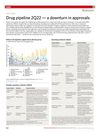 August 2022 in “Nature Biotechnology”
 Drug approvals slowed in 2Q22, but notable drugs like Amvuttra, Camzyos, and Olumiant were approved.
83 citations
,
May 2011 in “European Journal of Dermatology” Corneodesmosin is crucial for skin and hair health, and its dysfunction can cause skin and hair disorders.
35 citations
,
July 2022 in “Frontiers in Integrative Neuroscience” Formononetin may help protect the brain and treat neurological diseases.
30 citations
,
January 1997 in “ILAR Journal” The SAM model helps understand aging and related diseases.
26 citations
,
March 2006 in “Endocrine, metabolic & immune disorders. Drug targets” This enzyme helps metabolize fatty acids and isoleucine, and could be key in treating neurological diseases and certain cancers.
21 citations
,
October 2022 in “International Journal of Molecular Sciences” Quercitrin may help treat Alzheimer's by boosting brain cell signaling without causing tumors.
15 citations
,
January 2020 in “ILAR Journal” Nonhuman primates are valuable in research but their natural health variations can complicate study results.
9 citations
,
May 2025 in “Stem Cell Research & Therapy” Extracellular vesicles can both worsen and help treat age-related diseases and are useful for early diagnosis.
 2 citations
,
January 2019 in “Springer eBooks”
2 citations
,
January 2019 in “Springer eBooks” The conclusion is that different blood diseases cause specific oral symptoms and require varied treatments to manage these symptoms and improve patient health.
1 citations
,
June 2024 in “Skin Research and Technology” Human dermal fibroblast proteins help restore nerves during healing.
1 citations
,
November 2021 in “IntechOpen eBooks” Red light therapy may help prevent memory loss as we age.
May 2026 in “European Cells and Materials” The new delivery system improves Alzheimer's symptoms by releasing Huperzine A slowly and effectively.
 February 2026 in “Journal of Integrative Neuroscience”
 NGF-modified hair follicle stem cells may help treat Alzheimer's by improving brain function and reducing harmful proteins.
 January 2024 in “Wiadomości Lekarskie”
 Multiomics is revolutionizing biology by enabling breakthroughs in research and disease diagnosis.
 April 2019 in “Journal of Investigative Dermatology”
 Non-coding RNA boosts retinoic acid production and signaling, aiding regeneration.
 June 2026 in “International Journal of Ayurveda and Pharma Research”
 Ayurvedic treatment significantly improved psoriasis symptoms.
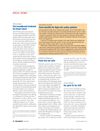 December 2013 in “Nursing2023”
 The FDA approved a new breast cancer treatment, found flu shots may reduce heart risks, questioned the safety of fast-tracked drug approvals, showed statins don't help with certain pneumonia, and approved a new dementia imaging agent.
 4 citations
,
February 2016 in “Clinical Pharmacology & Therapeutics”
4 citations
,
February 2016 in “Clinical Pharmacology & Therapeutics” Hair follicle samples effectively show how well the drug MK-0752 targets and engages with the Notch pathway.
 1 citations
,
July 1997 in “The Lancet”
1 citations
,
July 1997 in “The Lancet” Scientists found a new protein, AMY117, common in Alzheimer's patients, which could be important for treatment and diagnosis.
 13 citations
,
December 2010 in “Archives of Dermatology”
13 citations
,
December 2010 in “Archives of Dermatology” Minoxidil use can cause trichostasis spinulosa in long-term hair loss patients.
 3 citations
,
July 1997 in “The Lancet”
3 citations
,
July 1997 in “The Lancet” Finasteride may increase hair growth and prevent baldness in men, but can cause sexual side effects.