 January 2025 in “Annals of Clinical Reviews & Case Reports”
 Early diagnosis and a multidisciplinary approach are key to managing Sjogren's Disease symptoms.
 January 2021 in “American journal of dermatological research and reviews”
 The muscle damage was caused by T-cell large granular lymphocytic leukemia, not dermatomyositis.
7 citations
,
January 2012 in “International Journal of Trichology” Sudden, unusual hair loss may indicate serious underlying health issues.
3 citations
,
September 2021 in “JAAD case reports” Denosumab, a bone loss treatment, may cause hair loss and skin reactions due to immune system effects.
July 2024 in “GLOBAL JOURNAL FOR RESEARCH ANALYSIS” A 24-year-old man developed both alopecia areata universalis and type 1 diabetes at the same time, which is rare.
 31 citations
,
December 2010 in “Journal of the American Academy of Dermatology”
31 citations
,
December 2010 in “Journal of the American Academy of Dermatology” Loose anagen hair syndrome is caused by structural abnormalities in the hair follicle's inner root sheath.
June 2025 in “Neurology India” Anti-SRP myopathy can be linked to systemic lupus erythematosus and may improve with specific treatment.
 7 citations
,
January 2017 in “Dermatology”
7 citations
,
January 2017 in “Dermatology” People who get alopecia areata after age 50 usually have mild symptoms, high chances of hair regrowth, and often have other health conditions.

A genetic variant in the KRT71 gene may cause loose anagen hair and wooly hair, and symptoms might improve with age.
 2 citations
,
October 2022 in “The journal of investigative dermatology/Journal of investigative dermatology”
2 citations
,
October 2022 in “The journal of investigative dermatology/Journal of investigative dermatology” AIRE deficiency causes hair loss similar to alopecia areata in mice.
 3 citations
,
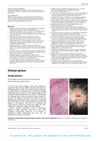
April 2002 in “The Lancet”
3 citations
,
April 2002 in “The Lancet” Painful hair loss in an elderly woman was caused by giant cell arteritis, not just aging.
9 citations
,
March 1998 in “PubMed” Surgery successfully treated the ferret's adrenal issue, leading to hair regrowth and improved health.
 11 citations
,
September 2013 in “Journal of The European Academy of Dermatology and Venereology”
11 citations
,
September 2013 in “Journal of The European Academy of Dermatology and Venereology” People with alopecia areata may be more likely to have a certain type of hearing loss.
April 2026 in “Veterinary Medicine and Science” Adrenal tumors in hamsters are rare and hard to diagnose, highlighting the need for better diagnostic tools.
 48 citations
,
March 1997 in “Veterinary Dermatology”
48 citations
,
March 1997 in “Veterinary Dermatology” Some cats with sudden hair loss and tiredness might have cancer-related alopecia.
9 citations
,
September 2022 in “Journal of Clinical Investigation” Replacing defective mesenchymal cells with normal ones fixes thymic growth issues in 22q11.2DS mouse models.
2 citations
,
February 2024 in “JAAD International” Sebaceous gland maturity and size differ between psoriatic alopecia and alopecia areata.
 1 citations
,
January 2018 in “ARC Journal of Dermatology”
1 citations
,
January 2018 in “ARC Journal of Dermatology” A patient had both chronic lupus and systemic scleroderma, requiring careful treatment to manage symptoms.
 8 citations
,
January 2003 in “JEADV. Journal of the European Academy of Dermatology and Venereology/Journal of the European Academy of Dermatology and Venereology”
8 citations
,
January 2003 in “JEADV. Journal of the European Academy of Dermatology and Venereology/Journal of the European Academy of Dermatology and Venereology” Women with myotonic dystrophy might get diseases related to male hormones because their body tissues are extra sensitive to these hormones.
 February 2011 in “Journal of Clinical Investigation”
 Genetically repaired stem cells may treat certain genetic diseases, Th17 cells are key in fighting systemic fungal infections, hair loss in AGA is due to progenitor cell loss, and α-synuclein transfer might contribute to Parkinson's disease progression.
May 2026 in “International Journal of Dermatology” This type of alopecia areata shows limited hair regrowth and poor response to treatment.
ANE syndrome is caused by a mutation in the RBM28 protein that disrupts ribosome assembly.
A 9-year-old girl developed type 1 diabetes and alopecia after being treated for a rare kidney disease.
75 citations
,
October 2012 in “Journal of Investigative Dermatology” Alopecia areata can be triggered by specific immune cells without genetic or environmental factors.
 1 citations
,
August 2021 in “International Journal of Research in Dermatology”
1 citations
,
August 2021 in “International Journal of Research in Dermatology” There is no significant link between metabolic syndrome and alopecia areata.
2 citations
,
September 2017 in “Journal of Zoo and Wildlife Medicine” An addax had skin cancer that spread to lymph nodes and was euthanized.
 12 citations
,
February 2010 in “Journal of the European Academy of Dermatology and Venereology”
12 citations
,
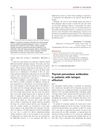
February 2010 in “Journal of the European Academy of Dermatology and Venereology” Some people with chronic hair loss may have thyroid autoimmunity.
April 2023 in “Journal of Investigative Dermatology” Periodontitis may increase the risk of developing alopecia areata.
May 2025 in “International Journal of Dermatology” Alopecia areata patients are more likely to develop systemic lupus erythematosus.
 November 2020 in “International journal of contemporary pediatrics”
 Two siblings had a rare immune disorder caused by a FOXN1 gene mutation.