15 citations
,
December 2013 in “Clinical Cosmetic and Investigational Dermatology” MAGP-1 decreases with age, leading to weaker, sagging skin.
88 citations
,
July 2009 in “Experimental and Clinical Endocrinology & Diabetes” 69 citations
,
May 2002 in “Journal of Investigative Dermatology” Congenital atrichia with papular lesions is often misdiagnosed, and new diagnostic criteria can improve accuracy.
 March 2014 in “Journal of The American Academy of Dermatology”
 The new topical product combined with finasteride significantly increased hair thickness without side effects.
January 2014 in “Ghent University Academic Bibliography (Ghent University)” FGF18 may influence hair loss in dogs.
 April 2021 in “Journal of Investigative Dermatology”
 People with atopic dermatitis have more CD4+ T cells that respond to a certain bacterial lipid, which may play a role in the skin condition's inflammation.
August 2018 in “Australasian journal of dermatology” Hyaluronic acid filler and fat grafting can cause rare skin complications.
January 2014 in “生命科学(ISSN1934-7391)” A certain gene variation can affect protein production and is linked to male pattern baldness.
 April 2026 in “Lithuanian University of Health Sciences”
 Cinnamic acid in hydrogels can effectively fight fungi but spreads less than in solution.
 10 citations
,
May 2020 in “Dermatology Research and Practice”
10 citations
,
May 2020 in “Dermatology Research and Practice” Proteoglycans are important for hair growth, and a specific treatment can help reduce hair loss.
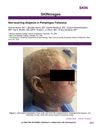 January 2026 in “SKIN The Journal of Cutaneous Medicine”
 Rituximab treatment led to complete hair regrowth and improved skin in a woman with pemphigus foliaceus.
54 citations
,
May 1994 in “Veterinary Pathology” PTHrP is higher in certain dog tumors and may act as a local growth factor.
 March 2026 in “Indian journal of veterinary and animal sciences research.”
 A Labrador Retriever with pemphigus fully recovered after six weeks of azathioprine treatment.
January 2022 in “Figshare” Activated PRP is unnecessary for treating alopecia areata; both activated and non-activated PRP are equally effective and safe.
 October 2021 in “Faculty Opinions – Post-Publication Peer Review of the Biomedical Literature”
 PRP is mostly effective and safe for treating certain types of hair loss, but more research is needed on the best use methods.
 39 citations
,
March 2019 in “Dermatologic Surgery”
39 citations
,
March 2019 in “Dermatologic Surgery” PRP therapy increases hair density for androgenetic alopecia.
 15 citations
,
March 2020 in “Anais Brasileiros De Dermatologia”
15 citations
,
March 2020 in “Anais Brasileiros De Dermatologia” Finasteride may cause lasting sexual, mental, and physical symptoms; use with caution.
June 2026 in “Advanced Healthcare Materials” A new taurine-based liquid can help treat hair loss by improving hair follicle health and promoting regrowth.
 6 citations
,
February 2025 in “Scientific Reports”
6 citations
,
February 2025 in “Scientific Reports” MEGA PROTAC improves prediction and ranking of protein complexes better than existing methods.
 December 2021 in “Daehanhanuihakoeji”
 The traditional herbal formulas Yongdamsagan-Tang and Paljung-san, along with the drug finasteride, can reduce inflammation and may work together without affecting each other's effectiveness against benign prostatic hyperplasia.
July 2026 in “Pediatric Allergy and Immunology” Trichohyalin, a protein from pig tongue, was purified and found to have a filamentous structure.
September 2025 in “HAL (Le Centre pour la Communication Scientifique Directe)” This study investigated paradoxical psoriasiform alopecic reactions in 24 patients with inflammatory bowel disease treated with anti-TNFα therapies, primarily adalimumab and infliximab. The cohort, mostly female with a median age of 30, showed mild to moderate alopecia with erythematosquamous plaques, often accompanied by bacterial superinfections. Histopathological analysis revealed a psoriasiform pattern with features overlapping eczematous dermatitis or alopecia areata, but without scarring. Management typically began with topical corticosteroids, escalating to discontinuation of anti-TNFα therapy and switching to ustekinumab in 58% of cases. All patients experienced complete hair regrowth within 2 months, highlighting the non-scarring nature of the condition. This study emphasizes the importance of early diagnosis and collaboration between gastroenterologists and dermatologists.
 3 citations
,
February 2022 in “Cureus”
3 citations
,
February 2022 in “Cureus” Frontal fibrosing alopecia can sometimes look like syphilitic hair loss.
 March 2024 in “Journal of Microbiology and Biotechnology”
 Phloroglucinol may help improve hair loss by promoting hair growth and reducing oxidative stress.
 8 citations
,
August 2020 in “Experimental dermatology”
8 citations
,
August 2020 in “Experimental dermatology” PRP therapy for alopecia shows inconsistent results due to natural variability in growth factor secretion by platelets.
 February 2026 in “Nano Research”
 A new microneedle treatment can help regrow hair by improving lymphatic function and metabolism.
 8 citations
,
September 2004 in “Contact dermatitis”
8 citations
,
September 2004 in “Contact dermatitis” Avoiding dyed wigs and clothing improved severe allergic reactions in a woman treated with diphencyprone.
2 citations
,
January 2010 in “PubMed” Current treatments for postmenopausal frontal fibrosing alopecia stop hair loss but don't regrow hair.