44 citations
,
October 1990 in “Archives of Dermatological Research” The connective tissue around hair follicles changes structure throughout the hair cycle.
 11 citations
,
May 1990 in “Journal of Dermatological Science”
11 citations
,
May 1990 in “Journal of Dermatological Science” Diazoxide applied to the skin can increase hair growth without harmful side effects.
3 citations
,
January 2016 in “Dermatology online journal” Some people with lichen planus pigmentosus might later develop frontal fibrosing alopecia.
210 citations
,
May 2006 in “The FASEB journal” Oxidative stress causes hair to gray by damaging and killing pigment cells.
 109 citations
,
October 2007 in “Journal of pineal research”
109 citations
,
October 2007 in “Journal of pineal research” Melatonin helps regulate hair growth and protects the hair follicle from stress.
 134 citations
,
September 2008 in “Lasers in surgery and medicine”
134 citations
,
September 2008 in “Lasers in surgery and medicine” Low fluence photoepilation temporarily removes hair by targeting the hair follicle's pigmented area without severe damage.
 November 2022 in “Journal of Investigative Dermatology”
 The extract of Silybum marianum, Manganese PCA, and Lespedeza capitata can boost hair growth and extend the growth phase when combined in a serum.
33 citations
,
June 2009 in “Journal of Cutaneous Pathology” Erlotinib can cause nonscarring hair loss and itchy skin.
385 citations
,
November 1990 in “Journal of Cell Science” Human hair follicles can grow in a lab setting.
 March 2021 in “CRC Press eBooks”
 Hair loss without scarring is more common than permanent hair loss with scarring, and is often due to genetic factors.
92 citations
,
September 2013 in “Journal of Investigative Dermatology” BMAL1 and Period1 genes can influence human hair growth.
23 citations
,
July 1993 in “The journal of investigative dermatology/Journal of investigative dermatology” Certain chemicals and peptides can promote hair growth or prevent baldness.
11 citations
,
September 2021 in “Skin Appendage Disorders” Hair count values should be standardized for each scalp region to evaluate hair disorders in Asians.
 9 citations
,
May 2013 in “JAMA Dermatology”
9 citations
,
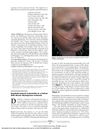
May 2013 in “JAMA Dermatology” A woman's hair turned white after taking a cancer drug called dasatinib.
179 citations
,
June 2000 in “The American journal of pathology” The absence of functional sebaceous glands causes hair follicle destruction and scarring alopecia.
 1 citations
,
May 2017 in “InTech eBooks”
1 citations
,
May 2017 in “InTech eBooks” Hair loss in Androgenetic alopecia (AGA) is due to altered cell sensitivity to hormones, not increased hormone levels. Hair growth periods shorten over time, causing hair to become thinner and shorter. This is linked to miscommunication between cell pathways in hair follicles. There's also a change in gene expression related to blood vessels and cell growth in balding hair follicles. The exact molecular causes of AGA are still unclear.
 November 2023 in “The journal of investigative dermatology/Journal of investigative dermatology”
 Blocking TYK2 might be a new way to treat hair loss from alopecia areata.
 July 2022 in “Journal of Investigative Dermatology”
 IL-15 helps maintain hair growth and protects the immune status of hair follicles.
 31 citations
,
February 2019 in “International Journal of Cosmetic Science”
31 citations
,
February 2019 in “International Journal of Cosmetic Science” Caffeine applied to the scalp can protect hair follicles from UV damage.
Melatonin applied to the scalp helps treat early-stage hair loss in men and women.
 7 citations
,
July 2022 in “Pharmaceuticals”
7 citations
,
July 2022 in “Pharmaceuticals” Pumpkin Seed Oil in niosomes may help treat hair loss and improve hair growth.
 4 citations
,
March 2015 in “Skin Research and Technology”
4 citations
,
March 2015 in “Skin Research and Technology” Trichotillometry is a reliable method to measure hair strength and assess hair loss treatments.
November 2025 in “Journal of Clinical Medicine” The drinkable supplement reduced hair shedding and increased hair growth in women.
 54 citations
,
June 1985 in “American Journal of Dermatopathology”
54 citations
,
June 1985 in “American Journal of Dermatopathology” Minoxidil helps grow longer, thicker hair in bald scalps of stumptailed macaques, and early treatment is more effective.
 20 citations
,
May 2020 in “Experimental Dermatology”
20 citations
,
May 2020 in “Experimental Dermatology” Aging scalp skin contributes to hair aging and loss, and more research is needed to develop better hair loss treatments.
9 citations
,
August 2023 in “Journal of Investigative Dermatology” IL-15 helps hair grow longer and stronger by extending the growth phase and reducing cell death.
 January 2023 in “Frontiers in bioscience”
 Artemis protein may help control hair growth and health by influencing cell processes.
 6 citations
,
January 2023 in “npj regenerative medicine”
6 citations
,
January 2023 in “npj regenerative medicine” Transplanting growing hair follicles into scars can help regenerate and improve scar tissue.
 23 citations
,
May 1998 in “Journal of Dermatological Science”
23 citations
,
May 1998 in “Journal of Dermatological Science” Insulin or IGF-I is needed for hair growth in newborn mice, while minoxidil helps adult mouse hair grow, suggesting a way to study human hair loss.

The study found that different genes are active in cashmere goats' hair growth stages, which can help improve cashmere production.