5 citations
,
November 2012 in “Journal of the American Academy of Dermatology” A 3-year-old girl has short anagen syndrome, causing her hair to stay short.
September 2014 in “Journal of the American Academy of Dermatology” The girl likely has Loose anagen hair syndrome, which may improve on its own or with minoxidil.
 September 2023 in “British Journal of Dermatology”
 Some cases of short anagen hair syndrome are linked to specific genetic variations that are also connected to male pattern baldness.
 40 citations
,
December 2004 in “Dermatology”
40 citations
,
December 2004 in “Dermatology” Kenogen increases with hair loss in women.
 1 citations
,
April 2016 in “Journal of The American Academy of Dermatology”
1 citations
,
April 2016 in “Journal of The American Academy of Dermatology” The study concludes that Loose Anagen Hair Syndrome is a benign condition that usually improves with age but can be hard to diagnose and stressful for the family.
 September 2023 in “Journal of The American Academy of Dermatology”
 Adolescents with hair loss show different hormone levels by sex and often have related metabolic issues.
 61 citations
,
January 2013 in “Indian Journal of Dermatology, Venereology and Leprology”
61 citations
,
January 2013 in “Indian Journal of Dermatology, Venereology and Leprology” Hair usually grows back 1-3 months after treatment for anagen effluvium, and children with Loose Anagen Hair Syndrome often improve by adolescence.
 24 citations
,
September 1997 in “PubMed”
24 citations
,
September 1997 in “PubMed” Loose anagen hair can appear at any age and may improve over time.
 February 2023 in “Cosmoderma”
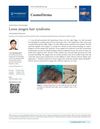
 Loose anagen hair syndrome causes easily shed hair but usually improves with time.
 May 2024 in “Research Square (Research Square)”
 Pediatric androgenetic alopecia is linked to obesity, family history, hormonal imbalances, and requires personalized treatment including managing comorbidities.
January 2014 in “The Journal of Dermatology” Korean adolescents with androgenetic alopecia often have a family history, milder symptoms than adults, and normal hormone levels.
 31 citations
,
October 2010 in “Journal of the European Academy of Dermatology and Venereology”
31 citations
,
October 2010 in “Journal of the European Academy of Dermatology and Venereology” Some people with heavy hair shedding might actually have a hidden form of alopecia, which can be identified by specific hair changes.
 6 citations
,
January 2010 in “Springer eBooks”
6 citations
,
January 2010 in “Springer eBooks” SA linked to mitochondrial issues and oxidative stress, while AGA involves disrupted hair growth genes.
January 2007 in “Durham e-Theses (Durham University)” Hair growth and shedding involve specific cell changes and gene roles.
1 citations
,
January 2013 in “Pediatric Annals” The girl's thin hair was due to loose anagen syndrome, not other hair loss types.

Early diagnosis and personalized treatment are crucial for managing pediatric androgenetic alopecia.
 35 citations
,
October 2006 in “Journal of Dermatology”
35 citations
,
October 2006 in “Journal of Dermatology” Teen hair loss common in boys, linked to family history and mild symptoms.
 May 2024 in “British journal of dermatology/British journal of dermatology, Supplement”
 Hair follicles in androgenetic alopecia age faster, especially in the front.
 10 citations
,
May 2010 in “Journal of The American Academy of Dermatology”
10 citations
,
May 2010 in “Journal of The American Academy of Dermatology” A 38-year-old African American woman has a rare condition that prevents her from growing long hair.
90 citations
,
January 2002 in “Dermatology” Kenogen is a resting phase in hair follicles that may contribute to baldness, especially in androgenetic alopecia.
 12 citations
,
May 2016 in “British Journal of Dermatology”
12 citations
,
May 2016 in “British Journal of Dermatology” AGA progression involves increased lipid synthesis, electron transport, and hair follicle miniaturization.
16 citations
,
January 1998 in “Dermatology” Androgens may worsen a natural hair resting phase, possibly leading to hair loss.
January 2006 in “DOAJ (DOAJ: Directory of Open Access Journals)” Loose anagen hair syndrome causes easily pulled, thin hair in kids but is harmless and temporary.
 4 citations
,
April 2016 in “Experimental Dermatology”
4 citations
,
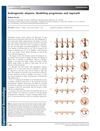
April 2016 in “Experimental Dermatology” AGA causes hair loss through follicle miniaturization and hair cycle changes; regrowth depends on anagen initiation in kenogen follicles.
4 citations
,
August 2021 in “Pediatric dermatology” Biotin, alone or with minoxidil, effectively treats short anagen syndrome.
 February 2024 in “Benha Journal of Applied Sciences”
 Androgenetic alopecia is common hair loss caused by genetics and hormones.
 42 citations
,
September 2000 in “British Journal of Dermatology”
42 citations
,
September 2000 in “British Journal of Dermatology” Some children are born with unusually short, fine hair because their hair growth phase is short, but this often gets better by itself during puberty.
3 citations
,
January 2022 in “Anais Brasileiros De Dermatologia” Androgenetic alopecia in teens is linked to obesity and other metabolic risks, needing early diagnosis and management.
28 citations
,
June 2010 in “Pediatric dermatology” Short anagen syndrome causes short hair that may grow longer after puberty.
 3 citations
,
November 1999 in “Journal of Cutaneous Medicine and Surgery”
3 citations
,
November 1999 in “Journal of Cutaneous Medicine and Surgery” AGA is a genetic, hormonal hair loss treated with finasteride, minoxidil, and supplements, but new compounds are being developed.