Search
for
Sort by
Research
570-600 / 1000+ results
research Abstract 5122: A novel topical candidate for chemotherapy and radiotherapy-induced alopecia (CRIA) through local modulation of apoptosis
A new topical treatment may prevent hair loss from cancer therapy by adjusting cell death processes in hair follicles.
research Evidence for a functional interaction of WNT10A and EBF1 in male-pattern baldness
WNT10A and EBF1 interaction affects hair growth in male-pattern baldness.

research H2AK119ub dynamics control hair follicle stem cell quiescence
H2AK119ub helps keep hair follicle stem cells in a resting state, preventing early aging.
research High throughput T cell receptor sequencing identifies clonally expanded CD8+ T cell populations in Alopecia Areata
Expanded CD8+ T cells are linked to Alopecia Areata and may cause relapse after treatment.

research 014 Tyrosine Kinase 2 Inhibition Ameliorates the Phenotype of Lesional Alopecia Areata Scalp Skin Ex Vivo, and Reverses the Induction of Human Alopecia Areata in a Humanized Mouse Model
TYK2 inhibition may help treat alopecia areata by promoting hair growth and reducing immune response.
research The SH-1 Molecule By Dr. Melvin Sewell
SH-1 effectively treats hair loss without side effects.
research Retrospective cohort study of CDK4/6-inhibitor-induced alopecia in breast cancer patients
Minoxidil improves hair loss in breast cancer patients on CDK4/6-inhibitor therapy.
research Is the Loose Anagen Hair Syndrome a Keratin Disorder?
Loose anagen hair syndrome may be caused by keratin gene mutations.
research A cell polarity protein, aPKCλ, is essential for maintaining hair follicle stem cell quiescence and hair follicle regeneration
The protein aPKCλ is crucial for keeping hair follicle stem cells inactive and for hair growth and regeneration.
research Manganese Ethylene Bis(Maneb)-Induced Degeneration of Hair Follicle Epithelia in the Dosal Skin of WBN/ILA-Ht Rats.
Maneb causes delayed hair follicle damage in rats.
research Embryonic NIPP1 depletion in keratinocytes triggers a cell-cycle arrest and premature senescence in adult mice
Deleting NIPP1 in mouse skin cells causes early aging and chronic skin issues.
research Short anagen syndrome: A case series and algorithm for diagnosis
Biotin, alone or with minoxidil, effectively treats short anagen syndrome.
research Radially patterned morphogenesis of murine hair follicle placodes ensures robust epithelial budding
research Cellular Activity in the Dermis Surrounding the Hair Bulb in Alopecia Areata
Hair growth in alopecia areata is hindered due to impaired cell activity in the surrounding tissue.
research 0961 Exploring mitochondrial dysfunction in miniaturized hair follicles: Insights into androgenetic alopecia
Miniaturized hair follicles in androgenetic alopecia show abnormal mitochondrial activity and damage.
research M-CSF-Stimulated CD11b+ Myeloid Cells Induce Alopecia Areata in C3H/HeJ Mice
M-CSF-stimulated myeloid cells can cause alopecia areata in mice.
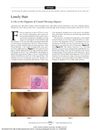
research Lonely Hair
Isolated long hairs at the original hairline can help diagnose Frontal Fibrosing Alopecia.
research Identification of two novel clusters of ultrahigh-sulfur keratin-associated protein genes on human chromosome 11*1
Two new gene clusters important for hair formation were found on human chromosome 11.
research Opposite effects of dihydrotestosterone and estradiol on apoptosis in the anterior pituitary gland from male rats
research Heterotypic cell contacts and basal lamina morphology during hair follicle development in the mouse: a light, scanning, and electron microscopic study at the site of tissue interaction
Heterotypic cell contacts likely help hair matrix cells differentiate during mouse hair follicle development.
research Characterization of a First Domain of Human High Glycine-Tyrosine and High Sulfur Keratin-associated Protein (KAP) Genes on Chromosome 21q22.1
Researchers mapped and categorized specific keratin-associated protein genes on human chromosome 21q22.1.
research Whiskers amiss, a new vibrissae and hair mutation near the Krt1 cluster on mouse Chromosome 11
A new mutation in mice causes crooked whiskers and messy hair.
research The expression of the gene asebia in the laboratory mouse: 3. Sebaceous glands
Mice with the ab gene have abnormal sebaceous gland development, affecting sebum production.
research The Rho GTPase regulator ARHGEF3 orchestrates hair placode budding by coordinating cell fate and P-cadherin patterning in mice
ARHGEF3 is essential for proper hair follicle development in mice.
research A genome-wide association study of chemotherapy-induced alopecia in breast cancer patients
A specific gene variant is linked to a higher risk of hair loss from chemotherapy in breast cancer patients.
research Identification of compound heterozygous mutations in AP1B1 leading to the newly described recessive keratitis–ichthyosis–deafness (KIDAR) syndrome
Mutations in the AP1B1 gene cause a new syndrome with skin, hearing, and developmental issues.
research Macrofibril Formation
research 440 Charting the Spatially Resolved Hair Follicle Stem Cell Niche: A Multi-Omics Atlas of Healthy and Diseased Scalp
Disrupted cell interactions in hair follicles contribute to hair loss in androgenetic alopecia.
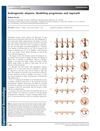
research Androgenetic alopecia. Modelling progression and regrowth
AGA causes hair loss through follicle miniaturization and hair cycle changes; regrowth depends on anagen initiation in kenogen follicles.