9 citations
,
November 2013 in “BMC Pharmacology and Toxicology” Suppressing eIF4E can prevent hair loss from chemotherapy.
28 citations
,
March 2013 in “Journal of Investigative Dermatology” Kv1.3 blockers may help treat alopecia areata and promote hair regrowth.
32 citations
,
November 2020 in “UNC Libraries” A point mutation in the androgen receptor gene causes complete androgen insensitivity.
Niosomes improve aminexil's effectiveness in preventing hair loss without needing propylene glycol.
8 citations
,
October 2014 in “The Journal of Dermatology” Patients with alopecia areata should be checked for muscle spasms, diarrhea, and ANA to avoid missing Satoyoshi syndrome.
5 citations
,
June 2008 in “British Journal of Dermatology” Frontal Fibrosing Alopecia mainly affects postmenopausal women and is linked to thyroid disease, hyperlipidemia, and anemia.
 September 2021 in “CRC Press eBooks”
 Alopecia areata incognita causes sudden hair thinning, responds well to steroids, and is more common in those with genetic hair loss conditions.
Boosting certain cell signals can prevent hair loss from chemotherapy and radiation.
September 2024 in “Dermatologica Sinica” Ponatinib can cause a rare skin reaction that resolves with topical treatment and temporary drug discontinuation.
 October 2024 in “Experimental Dermatology”
 The belief about hair shedding phases is likely incorrect and needs reevaluation.
 6 citations
,
March 2019 in “The American Journal of Dermatopathology”
6 citations
,
March 2019 in “The American Journal of Dermatopathology” Amyloid deposits linked to a type of protein may cause a unique pattern of hair loss by disrupting hair growth cycles.
February 2026 in “Journal of Allergy and Clinical Immunology” Alopecia areata involves immune system issues and specific cell types that disrupt hair growth, leading to hair loss.
15 citations
,
June 2012 in “British Journal of Dermatology” A new mutation in the KRT86 gene causes a hair disorder with variable expression.
2 citations
,
December 2020 in “Developmental cell” Chemotherapy drugs can cause abnormal growth and changes in healthy skin and gland cells.
1 citations
,
December 2012 in “Journal of Dermatological Science” FGF18 controls hair growth rest phase.
Nipple area expansion in mice needs both pregnancy hormones and mechanical strain.
 November 2021 in “CRC Press eBooks”
 Fibrosing alopecia in a pattern distribution is a new type of scarring hair loss that resembles common baldness and an autoimmune skin disease.
12 citations
,
August 2013 in “Journal of Dermatological Science” The MAGE3 hypothesis for alopecia areata did not lead to a significant breakthrough.
 October 2021 in “The Egyptian Journal of Hospital Medicine”
 Alopecia areata causes patchy hair loss and involves immune system disruptions.
25 citations
,
April 1988 in “Geburtshilfe und Frauenheilkunde” Treatment balancing hormones stopped hair loss in most women with androgenetic alopecia.
3 citations
,
April 1997 in “Developmental Dynamics” Trypsin slows hair growth and affects color by causing cell death in hair follicles.
 December 2021 in “Molecular genetics and genomics”
 Cats with abnormal hair had DSG4 gene changes causing hair problems.
1 citations
,
February 2008 in “Informa Healthcare eBooks” Androgenetic alopecia is a common form of hair loss in both men and women.
 November 2022 in “Journal of Investigative Dermatology”
 Autophagy in skin cells is important for preventing inflammation, skin tumors, and controlling hair growth timing.
52 citations
,
May 1997 in “Journal of Biological Chemistry” High ornithine decarboxylase levels may lead to hair loss and cancer by increasing CK2 activity in the nucleus.
 January 2023 in “Skin appendage disorders”
 A woman's hair grew back after treatment for a rare hair loss caused by proton therapy.
 1 citations
,
January 1996 in “Springer eBooks”
1 citations
,
January 1996 in “Springer eBooks” Androgenetic alopecia is a condition causing noticeable hair loss, especially in middle age, which is more severe than normal balding.
 109 citations
,
July 1993 in “The journal of investigative dermatology/Journal of investigative dermatology”
109 citations
,
July 1993 in “The journal of investigative dermatology/Journal of investigative dermatology” Hair color production is closely linked to the active growth phase of hair in mice and may also influence hair growth itself.
 10 citations
,
November 1997 in “British Journal of Dermatology”
10 citations
,
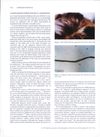
November 1997 in “British Journal of Dermatology” A 10-year-old boy had the earliest reported case of hair that became progressively kinkier but eventually returned to normal on its own.