 September 2022 in “Journal of The American Academy of Dermatology”
 Baricitinib was effective in regrowing eyebrow and eyelash hair in patients with severe alopecia areata.
November 2024 in “SKIN The Journal of Cutaneous Medicine” Baricitinib slightly increased cholesterol levels in alopecia areata patients, but these changes were manageable.
Nanostructured lipid carriers can improve androgenic alopecia treatment by reducing dutasteride dosage and maintaining its presence in hair follicles longer.
 2 citations
,
April 2019 in “Journal of Internal Medicine”
2 citations
,
April 2019 in “Journal of Internal Medicine” Men using steroids or finasteride to look more attractive may harm their fertility and sexual function, creating a paradox where they seem fit but may be less able to reproduce.
26 citations
,
January 1987 in “Archives of Dermatology” Topical minoxidil does not block androgen effects.
The document explains how certain drugs block hormones to treat cancers like breast and prostate cancer.
 11 citations
,
April 2018 in “Journal of Dermatology”
11 citations
,
April 2018 in “Journal of Dermatology” Dutasteride safely treats hair loss without harming sexual function.
 33 citations
,
August 2016 in “Indian Journal of Dermatology, Venereology and Leprology”
33 citations
,
August 2016 in “Indian Journal of Dermatology, Venereology and Leprology” Dutasteride is more effective than finasteride at increasing hair count and reversing hair thinning in men with hair loss, but both have similar side effects.
 3 citations
,
March 2014 in “Turkderm”
3 citations
,
March 2014 in “Turkderm” Hair loss in men can be slowed or reversed with treatments like minoxidil and finasteride, but it resumes if treatment stops. It may also indicate early heart disease and obesity.
 March 2025 in “Journal of the European Academy of Dermatology and Venereology”
 Baricitinib effectively reduces hair loss in alopecia areata and is well-tolerated.
 May 2026 in “Open Science Framework”
 Biochanin A from soy is a promising and safe candidate for treating hair loss.
 June 2024 in “Journal of cosmetic dermatology”
 Dutasteride is the most studied alternative drug for androgenetic alopecia, but more high-quality research is needed.
177 citations
,
June 1991 in “The Journal of Clinical Endocrinology & Metabolism” Caucasian men have more chest hair and higher levels of certain androgen products than Chinese men.
 July 2026 in “Zenodo (CERN European Organization for Nuclear Research)”
 Biochanin A is the safest herbal compound for potential hair loss treatment.
 40 citations
,
October 2002 in “Endocrinology”
40 citations
,
October 2002 in “Endocrinology” Vitamin D3 analogs can promote hair growth in mice genetically prone to hair loss.
 1 citations
,
September 2025 in “Clinical Cosmetic and Investigational Dermatology”
1 citations
,
September 2025 in “Clinical Cosmetic and Investigational Dermatology” Upadacitinib is effective and safe for treating severe Alopecia Areata in adolescents.
 1 citations
,
May 1983 in “Acta dermato-venereologica”
1 citations
,
May 1983 in “Acta dermato-venereologica” Minoxidil caused hair regrowth, but cyproterone acetate did not maintain it.
 13 citations
,
January 2014 in “PubMed”
13 citations
,
January 2014 in “PubMed” Adiantum capillus-veneris Linn reduced hair loss and improved hair growth in mice with testosterone-induced alopecia.
January 2020 in “Brazilian Journal of Pharmaceutical Sciences” Finasteride worsens heart damage from nandrolone decanoate but protects against cell damage.
 1 citations
,
April 2017 in “Journal of Investigative Dermatology”
1 citations
,
April 2017 in “Journal of Investigative Dermatology” SM04554 may increase hair growth as a topical treatment for androgenetic alopecia.
February 2024 in “Cancers” New treatments targeting androgen receptors show promise for drug-resistant prostate cancer.
 November 1972 in “PubMed”
 Antiandrogens can help treat female pattern hair loss.
5 citations
,
February 2025 in “International Journal of Molecular Sciences” Vitisin A reduces triglycerides better than Cyanidin-3-O-glucoside.
 37 citations
,
November 1995 in “Journal of Investigative Dermatology”
37 citations
,
November 1995 in “Journal of Investigative Dermatology” Topical finasteride and flutamide reduce gland size and enzyme activity, with flutamide being more potent, potentially treating acne, seborrhea, hirsutism, and androgenic alopecia.
 August 2015 in “Europe PMC (PubMed Central)”
 Using body measurements can help achieve good results in plastic surgery like reshaping the torso, but it doesn't work for all body types.
 August 2002 in “Analytical Sciences”
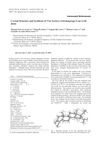
 The document concludes that a compound with potential for treating prostate cancer and hair loss was successfully made and its detailed structure was confirmed.
Ivarmacitinib effectively regrows hair in severe alopecia areata.
 15 citations
,
October 2014 in “Hormone Molecular Biology and Clinical Investigation”
15 citations
,
October 2014 in “Hormone Molecular Biology and Clinical Investigation” Some hair loss and prostate drugs might increase the risk of diabetes and heart disease.
 9 citations
,
November 2018 in “Acta Clinica Belgica”
9 citations
,
November 2018 in “Acta Clinica Belgica” Don't combine abiraterone and spironolactone for prostate cancer treatment as it may worsen the disease.
The document concludes that Androgenic Alopecia is a type of hair loss, commonly known as baldness.