 March 2024 in “Frontiers in genetics”
 Xiangdong black goats have moderate genetic diversity, minimal inbreeding, and important genes for reproduction, immunity, and other traits.
 July 2023 in “Research Square (Research Square)”
 Certain gut bacteria may protect against alopecia areata, while others may increase the risk.
 November 2022 in “Gigascience”
 A specific genetic deletion in goats affects cashmere yield and thickness.
 February 2022 in “International journal of KIU”
 Certain genes and nutrients like vitamin D, zinc, and omega fatty acids affect COVID-19 severity and infection risk.
 December 2021 in “THE THERAPIST (Journal of Therapies & Rehabilitation Sciences)”
 PCOS is common, affects fertility, and needs early diagnosis and lifestyle changes for management.
 September 2020 in “bioRxiv (Cold Spring Harbor Laboratory)”
 Different fish use the same genes to regrow teeth.
 February 2020 in “İstanbul medical journal”
 Metformin improves early signs of heart disease in women with PCOS and raises apelin levels, but doesn't significantly change artery thickness.
 April 2019 in “The journal of investigative dermatology/Journal of investigative dermatology”
 Targeting cholesterol, fatty acids, fibrosis, and mast cells may help treat CCCA.
 April 2019 in “The journal of investigative dermatology/Journal of investigative dermatology”
 Keloids significantly reduce quality of life, and treating symptoms should be prioritized.
 September 2018 in “Fertility and Sterility”
 African American women have a higher risk of preterm delivery than Caucasian women, and inflammatory stimuli affect gene expression in cells related to PCOS, showing a heightened inflammatory state in women with PCOS.
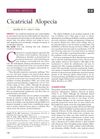 May 2010 in “Journal of the Dermatology Nurses' Association”
 Cicatricial alopecia causes permanent hair loss and is treated to relieve symptoms and stop progression.
 February 2010 in “Facial Plastic Surgery Clinics of North America”
 Tailoring facial plastic surgery to different ethnic groups ensures natural and satisfactory results.
 September 1961 in “Archives of Dermatology”
 Colchicine causes hair loss by damaging hair follicles.
Adolescents with PCOS have lower quality of life due to diagnosis, binge eating, and body image concerns.
 37 citations
,
January 2019 in “JAMA Dermatology”
37 citations
,
January 2019 in “JAMA Dermatology” People with Major Depressive Disorder have a higher chance of getting Alopecia Areata, and vice versa; antidepressants may lower this risk.
 April 2025 in “Cellular and Molecular Biology”
 Human dermal stem/progenitor cells can divide and differentiate more than hair follicle dermal papilla cells.
34 citations
,
March 2009 in “Journal of Investigative Dermatology” Proteomic analysis can identify genetic differences in mouse hair, helping understand hair defects and variations.
2 citations
,
July 2021 in “The Journal of Sexual Medicine” Gene expression differences in PFS patients suggest a potential organic cause for symptoms.
 February 2009 in “Journal of The American Academy of Dermatology”
 The document concludes that detailed clinical descriptions of seven family cases help understand dominant dystrophic epidermolysis bullosa's symptoms and inheritance.
 13 citations
,
May 1996 in “Archives of Disease in Childhood”
13 citations
,
May 1996 in “Archives of Disease in Childhood” Siblings with signs of virilization should be tested for non-classical congenital adrenal hyperplasia, which does not affect adult height but may impact fertility and well-being if untreated.
January 2026 in “JCEM Case Reports” Genetics may play a significant role in gender dysphoria.
164 citations
,
November 1989 in “Clinical and Experimental Dermatology” Juvenile alopecia areata is more severe and has a worse prognosis than maturity-onset alopecia areata.
April 2026 in “bioRxiv (Cold Spring Harbor Laboratory)” Different expansin genes affect root hair growth in plants due to their diverse functions and evolutionary changes.
1 citations
,
April 2007 in “The FASEB Journal” Lack of certain fatty acids causes skin, immune, and fertility issues in mice.
4 citations
,
June 1990 in “PubMed” Hair protein differences help identify species and individuals in forensic science.
 January 2023 in “International Journal of Zoological Investigations”
 Certain genetic variations in IL-16 may increase the risk of alopecia areata.
 7 citations
,
September 2024 in “BMC Genomics”
7 citations
,
September 2024 in “BMC Genomics” Two genes, ERBB4 and ROR1, may cause the unique pigmentation in Lanping black-boned sheep.
5 citations
,
December 2014 in “Molecular cytogenetics” A specific genetic change is linked to mental disorders, intellectual disability, and possibly autoimmune disease in a family.
January 2023 in “Figshare” Patients with advanced breast cancer prioritize quality of life, overall survival, and progression-free survival in treatment decisions.
September 2016 in “Journal of dermatological science” The conclusion is that the variation in hair thinness in patients is mostly due to the amount of underdeveloped hairs, and treatments that thicken fine hairs might work for those with mild to severe conditions.