1 citations
,
January 2010 in “Elsevier eBooks” Testosterone therapy may help men with osteoporosis.
September 2017 in “Zenodo (CERN European Organization for Nuclear Research)” Liquorice extract may help treat acne by reducing sebum production.
April 2025 in “European Journal of Pharmaceutics and Biopharmaceutics” The new drug delivery system improves bicalutamide skin retention for better treatment of hair loss.
Hirsutism, often caused by PCOS, is treated with medication and weight loss is important for obese women with PCOS.
17 citations
,
January 2020 in “The World Journal of Men's Health” Long-term use of finasteride and dutasteride can cause serious health issues like diabetes and liver problems.
 6 citations
,
July 2026 in “Zenodo (CERN European Organization for Nuclear Research)”
6 citations
,
July 2026 in “Zenodo (CERN European Organization for Nuclear Research)” Finasteride and dutasteride have limited use in feminising therapy and are not recommended for routine use.
Finasteride and dutasteride are not recommended for feminizing therapy due to limited effectiveness and potential risks.
 April 2026 in “Brazilian Journal of Hair Health”
 Perifollicular fibrosis hinders hair regrowth in androgenetic alopecia, and new treatments targeting fibrosis are needed.
August 2024 in “Australasian Journal of Dermatology” Australia needs better dermatological guidelines for gender-diverse patients.

Alopecia areata, a type of hair loss, may be passed through T cells and has genetic links, while treatments vary in effectiveness. Male pattern baldness can be treated with finasteride and is influenced by androgens in hair follicles.
502 citations
,
February 2008 in “The Journal of Clinical Endocrinology & Metabolism” Treat significant hirsutism with medication and hair removal; use birth control pills first, adding antiandrogens if needed.
64 citations
,
June 1995 in “Steroids” Inhibitors of the enzyme 5 alpha-reductase could potentially treat disorders like prostate cancer and baldness.
 18 citations
,
June 2019 in “Clinical research in dermatology”
18 citations
,
June 2019 in “Clinical research in dermatology” Acne can't be cured but can be managed with treatments like benzoyl peroxide and diet changes; it's costly and can lead to scarring and mental health issues.
 4 citations
,
February 2024 in “The Journal of Urology”
4 citations
,
February 2024 in “The Journal of Urology” Adding hormone therapy to radiation improves survival for high-risk prostate cancer recurrence but has side effects.
April 2026 in “ACS Applied Materials & Interfaces” A new treatment using probiotic microneedles shows promise for promoting hair growth and reducing inflammation in androgenetic alopecia.
December 2025 in “Current Issues in Molecular Biology” New steroid compounds may help with hormonal therapy and have potential benefits for glucose disorders, but more research is needed.
May 2024 in “Journal of clinical medicine” Spironolactone is safe for treating female hair loss, but the safety of other drugs is uncertain.
2 citations
,
September 2025 in “Cosmetics” Hormonal therapies can improve skin issues by adjusting hormone levels, with future advancements promising better results.
466 citations
,
June 2009 in “Experimental dermatology” We now understand more about what causes acne and this could lead to better, more personalized treatments.
13 citations
,
October 2019 in “Oncology Reports” The link between anabolic agents and colorectal cancer risk is unclear.
1 citations
,
August 2024 in “Indian Dermatology Online Journal” Bicalutamide may effectively treat female pattern hair loss with minimal side effects.
 May 2026 in “Theranostics”
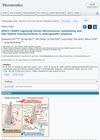
 Targeting DKK3–CKAP4 can help reverse hair loss in androgenetic alopecia.
 May 2026 in “Endocrine Connections”
 Androgenetic alopecia in PCOS is linked to insulin resistance, inflammation, and genetics, not just hormones.
January 2026 in “Journal of Biosciences and Medicines” Androgenetic alopecia treatments focus on reducing hair loss by targeting hormones, with new therapies showing promise but needing more research.
November 2025 in “Journal of Medicinal Chemistry” Topical PROTACs show promise for treating skin conditions but need better stability and delivery methods.
October 2025 in “Cosmetics” Genetic insights can lead to personalized treatments for acne, androgenetic alopecia, and alopecia areata.
 August 2025 in “Journal of Investigative Dermatology”
 Elevated luteinizing hormone contributes to female-pattern hair loss, and blocking certain channels may help prevent it.
Spironolactone effectively treats hormonal acne, hair loss, and excess hair growth in women.
 January 2024 in “International Journal of Molecular Sciences”
 Blocking the protein CXCL12 with a specific antibody can increase hair growth in common hair loss conditions.
8 citations
,
January 2021 in “Fermentation” Probiotics and synbiotics might help manage hirsutism by improving insulin resistance.