 1 citations
,
June 2025 in “Scientific Reports”
1 citations
,
June 2025 in “Scientific Reports” Hydroxychloroquine may help treat benign prostatic hyperplasia by reducing inflammation and promoting cell death.
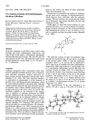 December 1998 in “Acta Crystallographica Section C-crystal Structure Communications”
 A new compound with strong antiandrogenic effects was found, potentially useful for treating conditions like acne and prostate cancer.
 1113 citations
,
August 1999 in “The New England Journal of Medicine”
1113 citations
,
August 1999 in “The New England Journal of Medicine” Hair follicle biology advancements may lead to better hair growth disorder treatments.
 430 citations
,
July 2002 in “Journal of Endocrinology”
430 citations
,
July 2002 in “Journal of Endocrinology” The hypothesis suggests that PCOS may start early in life due to genetic and environmental factors, influencing future reproductive and metabolic problems.
 146 citations
,
January 2004 in “Hormones”
146 citations
,
January 2004 in “Hormones” Human skin acts like a hormone-producing organ, making and managing various hormones important for skin and hair health.
 97 citations
,
April 2016 in “Andrology”
97 citations
,
April 2016 in “Andrology” Hormones and metabolism play a complex role in prostate enlargement, and more research is needed to improve diagnosis and treatment.
 75 citations
,
May 1986 in “Clinics in endocrinology and metabolism”
75 citations
,
May 1986 in “Clinics in endocrinology and metabolism” Male hormones are important for hair and oil gland development and can cause conditions like excessive hair growth and acne.
54 citations
,
October 2010 in “Clinics in dermatology” Diet, especially dairy and high-sugar foods, can cause acne.
 51 citations
,
November 2011 in “British Journal of Dermatology”
51 citations
,
November 2011 in “British Journal of Dermatology” A gene called HDAC9 might be a new factor in male-pattern baldness.
24 citations
,
January 2011 in “Sexual Development” Intersex frogs have different brain gene activity related to sex and thyroid hormones.
18 citations
,
October 2022 in “Biomedicines” High AMH levels are linked to PCOS in women and may have a male equivalent with similar traits.
5 citations
,
August 2021 in “Journal of biological chemistry/The Journal of biological chemistry” Retinoic acid affects male and female muscle energy use and function differently.
 4 citations
,
November 2015 in “Journal of Investigative Dermatology”
4 citations
,
November 2015 in “Journal of Investigative Dermatology” Testosterone may worsen hair loss by affecting hair growth signals, while different prostaglandins can either hinder or promote hair growth.
 1 citations
,
March 2021 in “Dermatological reviews”
1 citations
,
March 2021 in “Dermatological reviews” AGA, a common hair loss, is caused by genetics, hormones, age, and environmental factors.
 May 2026 in “Zenodo (CERN European Organization for Nuclear Research)”
 Androgenetic alopecia is common hair loss caused by genetics and hormones, with treatments mainly slowing it down.
 May 2026 in “Zenodo (CERN European Organization for Nuclear Research)”
 Androgenetic alopecia is common hair loss caused by genetics and hormones, with treatments to slow it but no cure.
January 2026 in “Journal of Biosciences and Medicines” Androgenetic alopecia treatments focus on reducing hair loss by targeting hormones, with new therapies showing promise but needing more research.
 July 2024 in “International Journal of Ayurvedic Medicine”
 Certain compounds from Kushtakudori ennai may help treat hair loss.
 January 2024 in “Wiadomości Lekarskie”
 The ABI1 gene contributes to prostate cancer progression and treatment resistance.
 June 2023 in “Frontiers in Medicine”
 Protein tyrosine kinases are key in male pattern baldness, affecting skin structure, hair growth, and immune responses.
 April 2023 in “Journal of Investigative Dermatology”
 The research found that certain factors in hair follicle cells control hair growth and development, and these could be used to create new treatments for hair loss.
 September 2017 in “Journal of Investigative Dermatology”
 Aging causes sweat glands to shrink, leading to skin issues, and blue light can help hair grow.
 August 2014 in “Journal of The American Academy of Dermatology”
 Obesity is linked to more severe hair loss in adult men and to excess hair growth, but its effects on hair conditions are complex and need more research.
 November 2005 in “Journal of Investigative Dermatology Symposium Proceedings”
 The 2004 hair research meeting presented new findings on hair cell differentiation, genetic factors in hair loss, hair pigmentation, and potential targeted therapies.
 May 2003 in “Journal of Investigative Dermatology”
 The meeting covered advances in understanding hair growth, causes of hair loss, and potential treatments.
 November 1993 in “PubMed”
 High levels of androgens can cause skin issues like acne, hair loss, and excessive hair growth.
 118 citations
,
September 2004 in “Clinics in Dermatology”
118 citations
,
September 2004 in “Clinics in Dermatology” Hormones, especially androgens, play a big role in acne, but most acne sufferers don't have a hormone disorder. Hormonal treatments, including birth control pills, can be very effective for women whose acne doesn't improve with regular treatments.
Knocking out the FGF5 gene in sheep increased wool production and hair-follicle density.
76 citations
,
October 2016 in “Clinics in dermatology” Sex hormones, especially androgens, play a key role in causing acne.
39 citations
,
November 1978 in “Annals of internal medicine” Spironolactone may help reduce excessive hair growth in women with high male hormone levels.