 4 citations
,
November 2017 in “Cancer Causes & Control”
4 citations
,
November 2017 in “Cancer Causes & Control” Men who start balding at age 20 may have a higher chance of getting aggressive prostate cancer.
 3 citations
,
September 2021 in “International Journal of Molecular Sciences”
3 citations
,
September 2021 in “International Journal of Molecular Sciences” Androgens and a high-fat diet may increase the risk of severe COVID-19 in women with PCOS by upregulating certain proteins in the heart and kidneys.
 3 citations
,
September 2020 in “Bladder cancer”
3 citations
,
September 2020 in “Bladder cancer” 5α-reductase inhibitors don't stop bladder cancer from developing or getting worse.
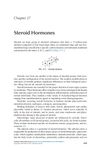 3 citations
,
January 2016 in “Elsevier eBooks”
3 citations
,
January 2016 in “Elsevier eBooks” Steroid hormones are crucial for body functions and have various medical uses, but their misuse can lead to dependence.
2 citations
,
August 2021 in “Experimental and Therapeutic Medicine” Moxibustion may help improve ovarian function by changing androgen levels.
 1 citations
,
September 2023 in “Journal of Education Health and Sport”
1 citations
,
September 2023 in “Journal of Education Health and Sport” Anabolic-androgenic steroids are dangerous and educating people about their risks is essential.
 1 citations
,
November 2022 in “International Journal of Molecular Sciences”
1 citations
,
November 2022 in “International Journal of Molecular Sciences” Kelulut Honey can help regulate sex hormone receptors in rats with Polycystic Ovary Syndrome, similar to common medications.
 1 citations
,
March 2021 in “Phytomedicine plus”
1 citations
,
March 2021 in “Phytomedicine plus” Cernitin™, a pollen extract, was found to significantly reduce pain and inflammation in rats with chronic prostatitis, suggesting it could be a useful alternative to certain anti-inflammatory drugs.
 1 citations
,
August 2020 in “Food Research”
1 citations
,
August 2020 in “Food Research” Plant extracts like Avicennia marina, Boehmeria nipononivea, and Camellia sinensis could potentially treat hair loss with fewer side effects than synthetic drugs.
 1 citations
,
May 2020 in “Reproductive Endocrinology”
1 citations
,
May 2020 in “Reproductive Endocrinology” The document concludes that hair loss and acne in women can be due to both androgen-related and unrelated causes, requiring a collaborative treatment approach.
 1 citations
,
March 2012 in “Journal of Dermatological Science”
1 citations
,
March 2012 in “Journal of Dermatological Science” Testosterone, progesterone, and levonorgestrel change enzyme levels related to fat production in hamster skin, which could affect skin oil and acne.
 1 citations
,
August 2002 in “Zeitschrift für Hautkrankheiten”
1 citations
,
August 2002 in “Zeitschrift für Hautkrankheiten” Male androgenetic alopecia involves hair follicle miniaturization due to DHT, with potential treatments using inhibitors and blockers.

Current treatments for androgenetic alopecia have limitations, and personalized approaches and new methods are needed for better results.
 December 2025 in “ADMET & DMPK”
 Personalized treatments for hair loss focus on specific genetic and biological pathways.
Alopesi tedavisinde ilaçlar saç büyümesini teşvik eder ve yeni yaklaşımlar umut vaat eder.
November 2025 in “Pharmacological Research” Plant-derived nanoparticles from Polygoni Multiflori Radix promote hair growth better than Minoxidil by affecting androgen pathways.
 August 2025 in “Research Square (Research Square)”
 High TNF-α levels may increase hair loss risk after PRP therapy.
 March 2025 in “MAEDICA – a Journal of Clinical Medicine”
 COVID-19 may worsen symptoms of benign prostatic hyperplasia (BPH).
 January 2025 in “Annals of Dermatology”
 New treatments for hair loss include low-dose oral minoxidil, light therapy, and innovative therapies targeting hair growth mechanisms.
December 2024 in “International Journal of Molecular Sciences” Targeting CXCL12 may help treat hair loss caused by androgens.
 November 2024 in “Journal of Translational Internal Medicine”
 Exosomes from stem cells help hair regrowth by activating a specific signaling pathway.
 September 2024 in “International Journal of Molecular Sciences”
 High doses of testosterone disrupt hormone levels and receptor expression in the uterus, affecting fertility.
 August 2024 in “Biomedical Journal of Scientific & Technical Research”
 Jute leaves may help reduce DHT levels, potentially aiding in conditions like hair loss and prostate issues.
 May 2024 in “Drug discovery today”
 Thyroid receptor β can help develop new drugs to treat hair loss.
 November 2022 in “Orphanet Journal of Rare Diseases”
 Long-term use of androgens can help manage Hereditary Angioedema (HAE) but may cause serious side effects, so alternative treatments with fewer side effects are being considered.
 October 2020 in “Authorea (Authorea)”
 Men and women react differently to opioids, with hormones potentially influencing these differences.
Avicennia Marina extract and avicequinone C can reduce hair loss hormone production and increase hair growth factors, suggesting they could be used to treat androgenic alopecia.
May 2013 in “UTUPub (University of Turku)” Including androgens in hormone therapy may lower breast cancer risk.
 September 2012 in “The Egyptian Journal of Histology”
 Flutamide caused damage to male rat reproductive organs and may affect fertility.
 January 2012 in “Methods in pharmacology and toxicology”
 TRPV3 could be a target for treating pain, skin disorders, and hair problems, but more research is needed to create effective drugs.