 20 citations
,
May 2020 in “Experimental Dermatology”
20 citations
,
May 2020 in “Experimental Dermatology” Aging scalp skin contributes to hair aging and loss, and more research is needed to develop better hair loss treatments.
 19 citations
,
April 2014 in “Hormones”
19 citations
,
April 2014 in “Hormones” Hormones and genetics play key roles in male and female baldness, which can affect mental health and may be linked to other health issues.
18 citations
,
October 2024 in “Medical Science Monitor” Improving skin barrier function is crucial for better acne treatment.
 18 citations
,
May 2020 in “Biomolecules”
18 citations
,
May 2020 in “Biomolecules” Spironolactone, a heart and liver drug, has new uses including cancer treatment, viral infection prevention, and skin condition improvement.
 18 citations
,
July 2010 in “Expert Review of Endocrinology & Metabolism”
18 citations
,
July 2010 in “Expert Review of Endocrinology & Metabolism” The document concludes that PCOS has a strong genetic component, but more research is needed to fully understand the specific genes involved.
 17 citations
,
July 2017 in “Molecular and Cellular Endocrinology”
17 citations
,
July 2017 in “Molecular and Cellular Endocrinology” Effective treatments for spinal and bulbar muscular atrophy are not yet available; more research is needed.
 15 citations
,
January 2010 in “Reproduction, Fertility and Development”
15 citations
,
January 2010 in “Reproduction, Fertility and Development” A certain gene variant may increase the risk of polycystic ovary syndrome in Chinese women.
 14 citations
,
April 2006 in “Expert Review of Dermatology”
14 citations
,
April 2006 in “Expert Review of Dermatology” Antiandrogen therapy helps treat genetic hair loss.
13 citations
,
August 2016 in “Reproduction” High doses of nandrolone decanoate disrupt ovarian hormones and receptors in rats, with recovery only at lower doses and longer recovery times.
 11 citations
,
September 2021 in “Journal of molecular endocrinology”
11 citations
,
September 2021 in “Journal of molecular endocrinology” ERβ has potential in treating prostate cancer and neurodegenerative diseases, but human studies are needed before clinical use.
 9 citations
,
November 2018 in “Acta Clinica Belgica”
9 citations
,
November 2018 in “Acta Clinica Belgica” Don't combine abiraterone and spironolactone for prostate cancer treatment as it may worsen the disease.
 6 citations
,
January 2021 in “International Journal of Molecular Sciences”
6 citations
,
January 2021 in “International Journal of Molecular Sciences” Finasteride-treated male rats' offspring had altered glucose metabolism, potentially increasing diabetes risk.
 6 citations
,
August 2009 in “Mini-reviews in Medicinal Chemistry”
6 citations
,
August 2009 in “Mini-reviews in Medicinal Chemistry” Different drugs can treat high male hormone levels in women, but they have various effects and some may harm a fetus.
 3 citations
,
September 2021 in “International Journal of Molecular Sciences”
3 citations
,
September 2021 in “International Journal of Molecular Sciences” Androgens and a high-fat diet may increase the risk of severe COVID-19 in women with PCOS by upregulating certain proteins in the heart and kidneys.
 3 citations
,
January 2016 in “Elsevier eBooks”
3 citations
,
January 2016 in “Elsevier eBooks” Steroid hormones are crucial for body functions and have various medical uses, but their misuse can lead to dependence.
 1 citations
,
June 2025 in “Scientific Reports”
1 citations
,
June 2025 in “Scientific Reports” Hydroxychloroquine may help treat benign prostatic hyperplasia by reducing inflammation and promoting cell death.
 1 citations
,
May 2025 in “The Journal of Phytopharmacology”
1 citations
,
May 2025 in “The Journal of Phytopharmacology” Phytoandrogens from plants may help treat low testosterone naturally.
 1 citations
,
August 2020 in “Food Research”
1 citations
,
August 2020 in “Food Research” Plant extracts like Avicennia marina, Boehmeria nipononivea, and Camellia sinensis could potentially treat hair loss with fewer side effects than synthetic drugs.
 1 citations
,
May 2017 in “InTech eBooks”
1 citations
,
May 2017 in “InTech eBooks” Hair loss in Androgenetic alopecia (AGA) is due to altered cell sensitivity to hormones, not increased hormone levels. Hair growth periods shorten over time, causing hair to become thinner and shorter. This is linked to miscommunication between cell pathways in hair follicles. There's also a change in gene expression related to blood vessels and cell growth in balding hair follicles. The exact molecular causes of AGA are still unclear.
 1 citations
,
November 1996 in “Journal of Cutaneous Medicine and Surgery”
1 citations
,
November 1996 in “Journal of Cutaneous Medicine and Surgery” Hormones, especially androgens, play a key role in causing acne, and treatments like hormone control pills and hormone-blocking medications can help.
 1 citations
,
August 2021 in “Internal Medicine Journal”
1 citations
,
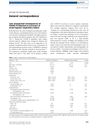
August 2021 in “Internal Medicine Journal” After severe COVID-19, 71% of patients experienced excessive hair shedding and thinning within 3 months due to factors like low oxygen levels, medication, stress, and autoimmune disease.
 June 2026 in “Quality in Sport”
 Treating hirsutism and acne in women with PCOS needs a personalized approach using oral contraceptives, antiandrogens, and sometimes metformin.
 March 2026 in “Frontiers in Pharmacology”
 New treatments for hair loss show promise but need more testing for effectiveness and safety.
 January 2026 in “Scientific Reports”
 Sesamin may help treat hair loss by affecting specific cell pathways.
 December 2025 in “ADMET & DMPK”
 Personalized treatments for hair loss focus on specific genetic and biological pathways.
 January 2025 in “Annals of Dermatology”
 New treatments for hair loss include low-dose oral minoxidil, light therapy, and innovative therapies targeting hair growth mechanisms.
 November 2024 in “Journal of Translational Internal Medicine”
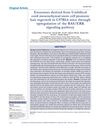
 Exosomes from stem cells help hair regrowth by activating a specific signaling pathway.
 February 2024 in “Brain research bulletin”
 Blocking androgen activity in newborn rats affects body weight and appetite-related hormones differently in males and females.
Hormones, especially testosterone and DHT, are key for penis development and function, and testosterone therapy may help with erectile dysfunction in those with low levels.
 January 2012 in “Methods in pharmacology and toxicology”
 TRPV3 could be a target for treating pain, skin disorders, and hair problems, but more research is needed to create effective drugs.