 65 citations
,
February 2009 in “The journal of investigative dermatology/Journal of investigative dermatology”
65 citations
,
February 2009 in “The journal of investigative dermatology/Journal of investigative dermatology” Anti-acne medications may work by reducing the activity of a protein involved in acne development.
 1 citations
,
May 2017 in “InTech eBooks”
1 citations
,
May 2017 in “InTech eBooks” Hair loss in Androgenetic alopecia (AGA) is due to altered cell sensitivity to hormones, not increased hormone levels. Hair growth periods shorten over time, causing hair to become thinner and shorter. This is linked to miscommunication between cell pathways in hair follicles. There's also a change in gene expression related to blood vessels and cell growth in balding hair follicles. The exact molecular causes of AGA are still unclear.
The document concludes that antiandrogenic drugs like cyproterone acetate and spironolactone are effective but not permanent treatments for skin-related androgenization in women.
January 2026 in “Open MIND” Fibroblasts play a key role in hair loss by affecting hair growth and causing inflammation.
 47 citations
,
February 2015 in “European Journal of Clinical Investigation”
47 citations
,
February 2015 in “European Journal of Clinical Investigation” The review suggests thorough evaluation and genetic testing for proper diagnosis and treatment of Chrousos syndrome.
 March 2010 in “The Journal of Urology”
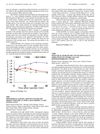
 Hair loss, prostate size, and urinary issues are related due to androgen effects.
 April 2010 in “The Journal of Urology”
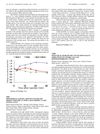
 Human prostate cells produce more WISP1/CCN4 when there's not enough oxygen.
 58 citations
,
November 2020 in “International Journal of Molecular Sciences”
58 citations
,
November 2020 in “International Journal of Molecular Sciences” SHBG may be a useful early indicator and treatment target for PCOS.
 18 citations
,
February 2018 in “International Journal of Molecular Sciences”
18 citations
,
February 2018 in “International Journal of Molecular Sciences” PGD2 increases androgen receptor activity in hair cells, which could be targeted to treat hair loss.
 28 citations
,
May 2018 in “Scientific reports”
28 citations
,
May 2018 in “Scientific reports” Exercise improves insulin sensitivity and hormone regulation in PCOS rats.
 April 2026 in “Journal of the Korean Society of Cosmetology”
 Limosilactobacillus reuteri from honeybees may promote hair growth by activating a specific cell pathway.
54 citations
,
June 2023 in “International Journal of Molecular Sciences” Myricetin shows promise as an anticancer agent by reducing inflammation and enhancing drug effectiveness.
 May 2026 in “Frontiers in Cell and Developmental Biology”
 Collagen networks play a key role in hair loss and follicle miniaturization.
 January 2012 in “Methods in pharmacology and toxicology”
 Hair follicle culture helps study hair growth but has limitations in modeling the full hair cycle.
 10 citations
,
January 2016 in “PLOS ONE”
10 citations
,
January 2016 in “PLOS ONE” Researchers found 44 proteins that change during different hair growth stages and may be important for hair follicle function.
 47 citations
,
October 2016 in “Molecular and Cellular Endocrinology”
47 citations
,
October 2016 in “Molecular and Cellular Endocrinology” Androgens prevent hair growth by changing Wnt signals in cells.
 95 citations
,
January 2012 in “British Journal of Dermatology”
95 citations
,
January 2012 in “British Journal of Dermatology” Androgens block hair growth by disrupting cell signals; targeting GSK-3 may help treat hair loss.
 122 citations
,
November 2010 in “Journal of Dermatological Science”
122 citations
,
November 2010 in “Journal of Dermatological Science” Male pattern baldness involves hormones and cell signals affecting hair growth.
 15 citations
,
April 2017 in “Hormones”
15 citations
,
April 2017 in “Hormones” Genetic defects in the glucocorticoid receptor gene can cause conditions with abnormal sensitivity to stress hormones, and other factors may also affect this sensitivity.
450 citations
,
January 2005 in “The journal of investigative dermatology/Journal of investigative dermatology” Hair color is determined by melanin produced and transferred in hair follicles.
 11 citations
,
April 2019 in “Journal of Biological Research”
11 citations
,
April 2019 in “Journal of Biological Research” The study identified 12 potential biomarkers for hair loss and how they affect hair growth.
 4 citations
,
November 2015 in “Journal of Investigative Dermatology”
4 citations
,
November 2015 in “Journal of Investigative Dermatology” Testosterone may worsen hair loss by affecting hair growth signals, while different prostaglandins can either hinder or promote hair growth.
89 citations
,
August 2013 in “PloS one” Androgen receptors are active in many tissues of both male and female mice, not just reproductive organs.
 102 citations
,
August 2008 in “Genes & Development”
102 citations
,
August 2008 in “Genes & Development” Laminin-511 is crucial for early hair growth and maintaining important hair development signals.
 90 citations
,
October 1996 in “Dermatologic Clinics”
90 citations
,
October 1996 in “Dermatologic Clinics” Growth factors are crucial for hair development and could help treat hair diseases.
 223 citations
,
January 2014 in “International Journal of Molecular Sciences”
223 citations
,
January 2014 in “International Journal of Molecular Sciences” The conclusion is that proper signaling is crucial for hair growth and development, and errors can lead to cancer or hair loss.
 23 citations
,
February 2015 in “International Journal of Molecular Sciences”
23 citations
,
February 2015 in “International Journal of Molecular Sciences” Colchicine can inhibit hair growth by affecting cell activity and protein expression in hair follicles.
 15 citations
,
April 2016 in “Hormones”
15 citations
,
April 2016 in “Hormones” Mutations in the NR3C1 gene cause a rare condition that affects hormone signaling and can lead to various symptoms, with dexamethasone as a treatment option.
 20 citations
,
August 2005 in “Journal of Cutaneous Pathology”
20 citations
,
August 2005 in “Journal of Cutaneous Pathology” The protein ARA70/ELE1 is involved in male pattern baldness, and lower levels of its short form may lead to hair thinning.
 16 citations
,
September 2014 in “International Journal of Biological Markers”
16 citations
,
September 2014 in “International Journal of Biological Markers” Longer CAG and GGN repeats increase alopecia risk, but no significant link to post-finasteride syndrome found.