 159 citations
,
July 2006 in “Endocrine Reviews”
159 citations
,
July 2006 in “Endocrine Reviews” Estrogens significantly influence hair growth by interacting with receptors in hair follicles and may help regulate the hair growth cycle.
 54 citations
,
November 2017 in “Scientific Reports”
54 citations
,
November 2017 in “Scientific Reports” The study found that certain microRNAs are higher in the cells and lower in the fluid of women with a specific type of polycystic ovary syndrome, and one microRNA could potentially help diagnose the condition.
 50 citations
,
September 2014 in “Stem cell reports”
50 citations
,
September 2014 in “Stem cell reports” BLIMP1 is essential for skin maintenance but not for defining sebaceous gland progenitors.
 47 citations
,
September 2016 in “Reviews in endocrine and metabolic disorders”
47 citations
,
September 2016 in “Reviews in endocrine and metabolic disorders” The skin's ability to produce hormones is linked to various skin conditions, and better understanding this process could lead to new treatments.
 39 citations
,
January 2013 in “Indian Journal of Dermatology, Venereology and Leprology”
39 citations
,
January 2013 in “Indian Journal of Dermatology, Venereology and Leprology” Eating high glycemic foods and drinking milk may worsen acne by increasing insulin and IGF-1 levels.
24 citations
,
January 2018 in “Indian Journal of Dermatology, Venereology and Leprology” Androgenetic alopecia is mainly caused by genetic factors and increased androgen activity, leading to hair follicle miniaturization.
 15 citations
,
June 2020 in “Experimental Dermatology”
15 citations
,
June 2020 in “Experimental Dermatology” Hormones and genes affect hair growth and male baldness.
 13 citations
,
June 2007 in “Journal of Dermatological Science”
13 citations
,
June 2007 in “Journal of Dermatological Science” Researchers created a cell line to study hair growth and found specific genes affected by dihydrotestosterone.
 11 citations
,
September 2021 in “Journal of molecular endocrinology”
11 citations
,
September 2021 in “Journal of molecular endocrinology” ERβ has potential in treating prostate cancer and neurodegenerative diseases, but human studies are needed before clinical use.
 8 citations
,
June 2019 in “Scientific Reports”
8 citations
,
June 2019 in “Scientific Reports” Increased PPARGC1α relates to hair thinning in common baldness.
7 citations
,
December 2024 in “Journal of the American Academy of Dermatology” Genetics, hormones, and microbiome changes contribute to hidradenitis suppurativa.
 7 citations
,
April 2015 in “General and Comparative Endocrinology”
7 citations
,
April 2015 in “General and Comparative Endocrinology” Finasteride negatively affects fish reproduction and gonadal development.
 7 citations
,
July 2018 in “Journal of Investigative Dermatology”
7 citations
,
July 2018 in “Journal of Investigative Dermatology” Gene differences found in hair follicles linked to male baldness.
5 citations
,
December 2022 in “Viruses” Antiandrogens may help prevent or treat COVID-19 by blocking virus entry into cells.
 4 citations
,
November 2022 in “Frontiers in endocrinology”
4 citations
,
November 2022 in “Frontiers in endocrinology” The enzyme 5α-reductase type 1 is important for blood vessel development and fertility in the uterus.
 2 citations
,
July 2022 in “Cell Regeneration”
2 citations
,
July 2022 in “Cell Regeneration” Understanding hair growth involves complex factors, and more research is needed to improve treatments for hair loss conditions.
June 2026 in “EP Europace” Minoxidil and finasteride for hair loss may cause different types of heart rhythm issues.
April 2026 in “ACS Applied Materials & Interfaces” A new treatment using probiotic microneedles shows promise for promoting hair growth and reducing inflammation in androgenetic alopecia.
 February 2026 in “Frontiers in Pharmacology”
 Genetics can help tailor treatments for male pattern hair loss, improving outcomes like stabilization or modest regrowth.
January 2026 in “Dermatologic Therapy” Current models for studying alopecia are inadequate, and more human-like systems are needed.
 July 2025 in “Annals of Human Genetics”
 Genetics play a major role in acne, but environmental factors and epigenetics also contribute.
 January 2020 in “Research Portal Denmark”
 A short male anogenital distance may indicate incomplete masculinization due to disrupted androgen action.
April 2019 in “Journal of the Endocrine Society” Sex hormones may be linked to inflammation in Hidradenitis Suppurativa.
 August 2016 in “Journal of Investigative Dermatology”
 Different levels of microRNAs in different parts of the scalp can cause male pattern baldness.
 April 2015 in “Experimental Dermatology”
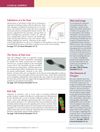
 Melanoma risk tools need improvement, certain gene mutations cause skin diseases and could be treated by targeting those mutations, skin wrinkling may relate to lung aging due to genetic factors, and oxidative stress affects hair loss but can be reduced in low oxygen.
 March 2013 in “Journal für Kardiologie (Krause & Pachernegg GmbH)”
 Hormones significantly affect hair growth and loss, with potential for new treatments.
Prasiola japonica extract may help reduce hair loss and promote hair growth.
 March 2025 in “Expert Opinion on Drug Discovery”
 New drug strategies are needed for better hair loss treatments.
Traditional Chinese Medicine, combined with antiandrogen therapy, could improve treatment and reduce side effects for genetic hair loss.
 October 2012 in “Faculty Opinions – Post-Publication Peer Review of the Biomedical Literature”
 Six new genes linked to early hair loss were found, which also surprisingly connect to Parkinson's disease and lower fertility.