 8 citations
,
January 1989 in “Annual Reports in Medicinal Chemistry”
8 citations
,
January 1989 in “Annual Reports in Medicinal Chemistry” Hair loss from alopecia areata and androgenetic alopecia can be treated, but more effective and safer treatments are needed.
 June 2018 in “Advances in Cosmetic Surgery”
 Hair loss caused by genetics and hormones; more research needed for treatments.
 30 citations
,
January 2020 in “Journal of The American Academy of Dermatology”
30 citations
,
January 2020 in “Journal of The American Academy of Dermatology” Fibrosing alopecia in a pattern distribution is a hair loss condition often confused with other types, requiring early treatment but usually not resulting in significant hair regrowth.
 90 citations
,
June 2006 in “The American Journal of Dermatopathology”
90 citations
,
June 2006 in “The American Journal of Dermatopathology” The document concludes that accurate diagnosis of different types of hair loss requires careful examination of hair and scalp tissue, considering both clinical and microscopic features.
 42 citations
,
March 2006 in “Drug Discovery Today: Therapeutic Strategies”
42 citations
,
March 2006 in “Drug Discovery Today: Therapeutic Strategies” The conclusion is that we need more effective hair loss treatments than the current ones, and these could include new drugs, gene and stem cell therapy, hormones, and scalp cooling, but they all need thorough safety testing.
 23 citations
,
December 2013 in “Regenerative Medicine”
23 citations
,
December 2013 in “Regenerative Medicine” Hair follicle culture helps develop new treatments for hair loss.
 23 citations
,
January 2013 in “Indian Journal of Dermatology, Venereology and Leprology”
23 citations
,
January 2013 in “Indian Journal of Dermatology, Venereology and Leprology” FPHL causes hair loss in women due to genetics and hormones; minoxidil and anti-androgens are treatments, and early intervention is advised.
 10 citations
,
May 2020 in “Dermatology Research and Practice”
10 citations
,
May 2020 in “Dermatology Research and Practice” Proteoglycans are important for hair growth, and a specific treatment can help reduce hair loss.
 March 2026 in “Trends in Sciences”
 A mouse model was created to study hair loss similar to humans.
 136 citations
,
February 2017 in “International Journal of Molecular Sciences”
136 citations
,
February 2017 in “International Journal of Molecular Sciences” PRP treatment improves hair growth, and the device used can affect results, with some being more effective.
 19 citations
,
April 2020 in “Dermatologic Therapy”
19 citations
,
April 2020 in “Dermatologic Therapy” Dutasteride works better than finasteride for hair loss, with both being safe to use.
 10 citations
,
June 2016 in “Wound Repair and Regeneration”
10 citations
,
June 2016 in “Wound Repair and Regeneration” The microenvironment, especially mechanical forces, plays a crucial role in hair growth and could lead to new treatments for hair loss.
 July 2021 in “Medical journal, Armed Forces India”
 Using platelet-rich plasma in hair restoration surgery significantly improves hair density after 6 months and is safe to use.
 November 2023 in “Frontiers in cell and developmental biology”
 Hair aging is caused by stress, hormones, inflammation, and DNA damage affecting hair growth and color.
 34 citations
,
January 2018 in “International Journal of Dermatology”
34 citations
,
January 2018 in “International Journal of Dermatology” Scalp cooling is the most effective FDA-approved method to prevent chemotherapy-induced hair loss, but more research is needed for other treatments.
 25 citations
,
October 2012 in “Dermatologic clinics”
25 citations
,
October 2012 in “Dermatologic clinics” Laser and light treatments can effectively remove hair long-term.
 13 citations
,
February 2015 in “Actas Dermo-Sifiliográficas”
13 citations
,
February 2015 in “Actas Dermo-Sifiliográficas” The document concludes that recognizing specific histological features of different nonscarring alopecias is crucial for accurate diagnosis and understanding hair loss progression.
 4 citations
,
January 2018 in “Advances in Experimental Medicine and Biology”
4 citations
,
January 2018 in “Advances in Experimental Medicine and Biology” The document concludes that hair follicles have a complex environment and our understanding of it is growing, but there are limitations when applying animal study findings to humans.
 3 citations
,
January 2021 in “Applied sciences”
3 citations
,
January 2021 in “Applied sciences” Fermented red ginseng and a traditional herb mix improved hair growth in mice.
 December 2025 in “Ciencia Latina Revista Científica Multidisciplinar”
 Nanotechnology shows promise in improving hair loss treatments by enhancing drug delivery and reducing side effects.
Laser hair removal may cause skin changes that prevent hair regrowth.
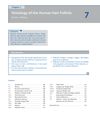 9 citations
,
June 2008 in “Springer eBooks”
9 citations
,
June 2008 in “Springer eBooks” Understanding hair follicle structure is key for treating hair disorders and could help develop new treatments.
1 citations
,
April 2021 in “Clinical, Cosmetic and Investigational Dermatology” Conflicting findings in androgenic alopecia are likely due to biopsy location, hair diameter diversity, and hair follicle miniaturization.
January 2023 in “Iranian Journal of Pharmaceutical Research” Stauntonia hexaphylla extract can help treat hair loss by blocking certain hormones.
October 2022 in “Frontiers in Bioengineering and Biotechnology” Bioengineered nanoparticles can effectively treat hair loss by targeting specific enzymes and receptors.
 June 2025 in “Current Issues in Molecular Biology”
 Meloside A may help protect hair cells from damage linked to hair loss.
February 2026 in “European Journal of Pharmacology” Teicoplanin may help treat hair loss by reducing androgen receptors and boosting hair cell growth.
 July 2026 in “Journal of Cutaneous and Aesthetic Surgery”
 Male hair loss is mainly due to androgens, while female hair loss involves hormones, vitamins, and genetics.
 February 2026 in “International Journal of Molecular Sciences”
 Silencing SFRP1 alone promotes hair growth, but adding DKK1 does not help.
January 2025 in “Open Science Framework” Nutritional interventions can help restore balance in male health by targeting oxidative stress and hormonal issues.