 12 citations
,
March 2018 in “Medicine”
12 citations
,
March 2018 in “Medicine” A postmenopausal woman's hirsutism and high testosterone levels improved after surgery for an ovarian tumor not seen on ultrasound.
 1 citations
,
January 1996 in “Gynecological endocrinology”
1 citations
,
January 1996 in “Gynecological endocrinology” Non-invasive imaging helped diagnose a woman's severe hormone imbalance and diabetes, and medication successfully treated her condition.
 7 citations
,
October 2019 in “Case reports in endocrinology”
7 citations
,
October 2019 in “Case reports in endocrinology” A young woman's symptoms suggested PCOS, but tests and surgery confirmed and treated a rare ovarian tumor, resolving her condition.
 1 citations
,
January 2006
1 citations
,
January 2006 Hirsutism is mainly caused by high androgen levels or sensitivity, with PCOS being the most common cause.
 45 citations
,
January 2006 in “Endocrine journal”
45 citations
,
January 2006 in “Endocrine journal” To diagnose Polycystic Ovarian Syndrome, two out of three signs—irregular periods, high male hormone levels, or cysts on the ovaries—are needed.
 14 citations
,
July 1987 in “Dermatologic Clinics”
14 citations
,
July 1987 in “Dermatologic Clinics” The document concludes that treating female hair loss should target reducing excess androgen and blocking its effects on hair follicles, with the best treatments being hormonal therapy, adrenal suppression, and topical minoxidil.
 3 citations
,
February 2018 in “Journal of evolution of medical and dental sciences”
3 citations
,
February 2018 in “Journal of evolution of medical and dental sciences” Some ovarian tumors can cause masculinization, and it's important to check for various causes when this symptom is present.
 46 citations
,
July 1988 in “Journal of The American Academy of Dermatology”
46 citations
,
July 1988 in “Journal of The American Academy of Dermatology” Hormone imbalances can cause specific skin changes, which may help in early detection of endocrine disorders.
224 citations
,
February 2013 in “The Journal of clinical investigation/The journal of clinical investigation” ERG increases SOX9, promoting prostate cancer growth and invasion.
January 2025 in “Case Reports in Endocrinology” Accurate diagnosis of rare hyperandrogenism conditions requires detailed testing and sometimes invasive procedures.
March 2021 in “Der Hautarzt” Neuroendocrine paraneoplastic syndromes often show skin changes, helping early diagnosis and requiring a team approach for best care.
 4 citations
,
December 2021 in “Experimental and Therapeutic Medicine”
4 citations
,
December 2021 in “Experimental and Therapeutic Medicine” Adult female acne is complex and requires a combination of treatments for effective management.
February 2025 in “Clinical Chemistry” The woman's symptoms were due to an androgen-secreting tumor, not PCOS.
October 2025 in “F1000Research” Postmenopausal women with excess male hormones may have ovarian tumors, and surgery usually cures them.
 November 2022 in “The Journal of Clinical Endocrinology and Metabolism”
 Postmenopausal hyperandrogenism, a condition with symptoms like increased hair growth and acne, is usually caused by PCOS but can also be due to other factors. It's diagnosed by checking testosterone levels and treated either by removing the adrenal tumor or through antiandrogen therapy.
 70 citations
,
March 2016 in “Urologic Clinics of North America”
70 citations
,
March 2016 in “Urologic Clinics of North America” The document explains how the male reproductive system works, its role in making testosterone, and how conditions like obesity can disrupt it, leading to low testosterone and fertility issues.
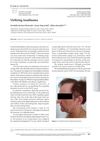 August 2025 in “Endokrynologia Polska”
 A rare pancreatic tumor caused a woman's male-like features, treated successfully with surgery and medication.
 April 2024 in “JCEM case reports”
 A woman's rare benign tumor that released both cortisol and testosterone was successfully removed, improving her health.
1 citations
,
August 2022 in “Veterinary medicine and science” The main prostate diseases in dogs are benign growth, infections, and cancer, with various treatments ranging from drugs to surgery, but cancer treatments have limited success.
 14 citations
,
January 2008 in “Gynecological Endocrinology”
14 citations
,
January 2008 in “Gynecological Endocrinology” High levels of male hormones in women without tumors are linked to metabolic problems and can be treated with metformin.
 257 citations
,
July 2018 in “Obstetrics & Gynecology”
257 citations
,
July 2018 in “Obstetrics & Gynecology” PCOS is a complex disorder in women that can lead to various health risks and requires personalized treatment.
April 2019 in “Journal of the Endocrine Society” A rare adrenal tumor in a woman only made DHEA-S, causing hair thinning, and was removed, fixing the hormone level.
 November 2022 in “Journal of the Endocrine Society”
 A woman's masculine features were caused by a rare ovarian tumor that produced male hormones.
 947 citations
,
February 2004 in “The Journal of Clinical Endocrinology and Metabolism”
947 citations
,
February 2004 in “The Journal of Clinical Endocrinology and Metabolism” Most women with excess male hormones have Polycystic Ovary Syndrome, and hormonal therapy can improve symptoms but may cause side effects.
 67 citations
,
July 2006 in “Clinics in Dermatology”
67 citations
,
July 2006 in “Clinics in Dermatology” Androgens cause skin issues like acne and hair growth in women, often due to PCOS, and can be treated with medication and lifestyle changes.
 December 2015 in “University of Birmingham Institutional Research Archive (University of Birmingham)”
 AKR1C3 could be a treatment target for metabolic issues in PCOS.
 14 citations
,
September 2015 in “Expert Opinion on Therapeutic Targets”
14 citations
,
September 2015 in “Expert Opinion on Therapeutic Targets” The conclusion is that while oral contraceptive pills are effective for PCOS-related high androgen levels, new treatments with fewer side effects are needed.
 October 2007 in “Postgraduate obstetrics & gynecology”
 Testosterone therapy can help with androgen deficiency in women but should be used with caution and monitoring due to potential risks.
 October 2007 in “Postgraduate obstetrics & gynecology”
 Testosterone therapy can help postmenopausal women with low sexual desire but needs more safety research and should be used with estrogen therapy.
 30 citations
,
November 2013 in “PLOS ONE”
30 citations
,
November 2013 in “PLOS ONE” Androgen receptor signaling causes early aging of cells important for hair growth by damaging their DNA.