 16 citations
,
January 2003 in “Nuclear Receptor Signaling”
16 citations
,
January 2003 in “Nuclear Receptor Signaling” Androgens and SARMs play a role in body mass, frailty, skin health, and hair growth, and are used in treating prostate cancer, acne, and hair loss, with potential for new uses and improved versions in the future.
 1 citations
,
September 2012 in “Expert Review of Endocrinology & Metabolism”
1 citations
,
September 2012 in “Expert Review of Endocrinology & Metabolism” Androgen replacement therapy can improve libido and mood in women with severe androgen deficiency, but more research is needed on its long-term safety.
 November 2004 in “Medical Journal of Indonesia”
 Hormonal imbalances can cause skin and hair problems in women, and treatments that block male hormones can help.
 2 citations
,
December 2004 in “Medicine”
2 citations
,
December 2004 in “Medicine” Different hair and scalp disorders cause hair loss or excess hair growth, with various treatments available depending on the specific condition.
 152 citations
,
December 2007 in “Gender Medicine”
152 citations
,
December 2007 in “Gender Medicine” Male and female skin differ due to hormones, affecting conditions like hair loss, acne, and skin cancer, and suggesting a need for gender-specific treatments.
Targeting androgen receptors in the skin is the most effective treatment for hyperandrogenism-related skin issues.
 5 citations
,
May 2017 in “Current Opinion in Pediatrics”
5 citations
,
May 2017 in “Current Opinion in Pediatrics” Hormonal therapies are safe and effective for treating acne in female adolescents, with specific treatments for those with endocrine disorders.
 124 citations
,
December 2016 in “Pharmaceuticals”
124 citations
,
December 2016 in “Pharmaceuticals” TRP channels in the skin are important for sensation and health, and targeting them could help treat skin disorders.
 80 citations
,
January 1995 in “The American Journal of Medicine”
80 citations
,
January 1995 in “The American Journal of Medicine” Hair loss in androgenetic alopecia is caused by genetic factors and androgen excess, and can be treated with combined therapies.
 16 citations
,
December 2006 in “Expert Review of Dermatology”
16 citations
,
December 2006 in “Expert Review of Dermatology” Hair follicles are essential for skin health, aiding in hair growth, wound healing, and immune function.
 5 citations
,
January 2018 in “Springer eBooks”
5 citations
,
January 2018 in “Springer eBooks” Acne in dark skin is influenced by environmental factors and can lead to hyperpigmentation, with various treatment options available.
 May 2026 in “Organoid Research”
 Hydrogel-based methods improve skin organoid development for medical and research applications.
 9 citations
,
January 2016 in “Skin Pharmacology and Physiology”
9 citations
,
January 2016 in “Skin Pharmacology and Physiology” The study concluded that both estrogen and androgen receptors, which decrease with age, are linked to skin aging and may be hormonally regulated.
 January 2025 in “Medical Research Archives”
 Sex hormones are crucial for healthy skin and managing skin conditions.
 19 citations
,
March 2012 in “Clinical Endocrinology”
19 citations
,
March 2012 in “Clinical Endocrinology” FAI values above 6.4 may suggest high androgen levels and increased metabolic risks in Chinese women of reproductive age.
 30 citations
,
July 2017 in “BioEssays”
30 citations
,
July 2017 in “BioEssays” Activating NRF2 might help treat hair disorders by improving antioxidant defenses.
 January 2015 in “Springer eBooks”
 Fat-derived stem cells and their secretions show promise for treating skin aging and hair loss.
 28 citations
,
January 2021 in “Parkinsonism & related disorders (Online)/Parkinsonism & related disorders”
28 citations
,
January 2021 in “Parkinsonism & related disorders (Online)/Parkinsonism & related disorders” Parkinson's disease is linked to skin disorders and skin cells help in studying the disease.
 10 citations
,
December 2015 in “Clinics in Dermatology”
10 citations
,
December 2015 in “Clinics in Dermatology” Diabetes can lead to blindness and skin problems, and managing blood sugar and blood pressure is crucial to prevent these complications.
 6 citations
,
July 2015 in “Journal of Investigative Dermatology”
6 citations
,
July 2015 in “Journal of Investigative Dermatology” Chicken feather gene mutation helps understand human hair disorders.
 9 citations
,
January 2017 in “Elsevier eBooks”
9 citations
,
January 2017 in “Elsevier eBooks” Skin's epithelial stem cells are crucial for repair and maintenance, and understanding them could improve treatments for skin problems.
 25 citations
,
July 2019 in “Experimental Dermatology”
25 citations
,
July 2019 in “Experimental Dermatology” Cholesterol balance is important for hair health, and problems with it can lead to hair loss conditions.
 1 citations
,
November 2025 in “Clinical and Experimental Medicine”
1 citations
,
November 2025 in “Clinical and Experimental Medicine” lncRNAs are important for understanding and treating skin diseases.
 May 2006 in “Women's Health Medicine”
 Excessive hair growth in women, often from high androgen levels, is usually caused by PCOS, and can be treated with hair removal, medication, and possibly weight loss.
 118 citations
,
September 2004 in “Clinics in Dermatology”
118 citations
,
September 2004 in “Clinics in Dermatology” Hormones, especially androgens, play a big role in acne, but most acne sufferers don't have a hormone disorder. Hormonal treatments, including birth control pills, can be very effective for women whose acne doesn't improve with regular treatments.
 76 citations
,
November 2009 in “Medical Clinics of North America”
76 citations
,
November 2009 in “Medical Clinics of North America” Hormones, especially androgens, play a key role in acne, which can be a symptom of systemic diseases like PCOS and may require targeted treatment.
 38 citations
,
May 2006 in “Archives of Gynecology and Obstetrics”
38 citations
,
May 2006 in “Archives of Gynecology and Obstetrics” Women with only irregular periods or excess hair have a better hormone profile than those with full PCOS, but both groups are similar, indicating a need for better PCOS diagnosis methods.
 12 citations
,
March 2017 in “Journal of obstetrics and gynaecology Canada”
12 citations
,
March 2017 in “Journal of obstetrics and gynaecology Canada” Testosterone therapy can modestly improve sexual function in menopausal women but should be used cautiously and is not recommended for routine measurement in sexual dysfunction or hirsutism.
46 citations
,
October 2012 in “Seminars in reproductive medicine” Genetic defects in androgen production are linked to male developmental disorders and are improving treatment understanding.
 101 citations
,
April 1994 in “Baillière's clinical endocrinology and metabolism”
101 citations
,
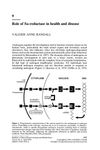
April 1994 in “Baillière's clinical endocrinology and metabolism” 5α-reductase is essential for male sexual development and its inhibitors have potential in treating various conditions related to hormone action.