 20 citations
,
January 2019 in “Frontiers of Hormone Research”
20 citations
,
January 2019 in “Frontiers of Hormone Research” The book explains how excess male hormones can affect various conditions like Polycystic Ovary Syndrome and Cushing's disease.
7 citations
,
January 2013 in “Hormone Research in Paediatrics” Ectopic adrenal rests can cause androgen excess after adrenalectomy and may need targeted surgery.
3 citations
,
October 2024 in “The Journal of Clinical Endocrinology & Metabolism” Potential androgen excess signs vary by demographics and health, needing inclusive evaluation.
In 2020, a new online survey was made to help identify Polycystic ovary syndrome (PCOS) in women, but it needs some improvements for better understanding and accuracy.
January 2025 in “Human Reproduction Open” 25% of premenopausal women with Type 1 diabetes have undiagnosed androgen excess disorders.
 October 2023 in “Journal of the Endocrine Society”
 Machine learning identified three unique subtypes of androgen excess in women with PCOS, each with different metabolic risks.
 November 2022 in “Journal of the Endocrine Society”
 Removing the ovarian tumor improved the woman's hormonal symptoms.
January 2019 in “OpenBU/Boston University Institutional Repository (Boston University)” Women with PCOS often show signs of excess androgens like hirsutism, acne, and alopecia, with variations across ethnic groups.
 November 2020 in “Journal of The American Academy of Dermatology”
 Ankle braces reduce motion, while external focus improves hip and knee movements.
 1540 citations
,
October 2008 in “Fertility and Sterility”
1540 citations
,
October 2008 in “Fertility and Sterility” The report concludes that PCOS is mainly a condition of excess male hormones and its definition may change as new information is discovered.
 40 citations
,
February 2005 in “Fertility and Sterility”
40 citations
,
February 2005 in “Fertility and Sterility” Some women with PCOS have CYP21 mutations and IRS1 variants, but these genetic factors are not major contributors to PCOS.
 20 citations
,
December 2000 in “Fertility and Sterility”
20 citations
,
December 2000 in “Fertility and Sterility” The N363S gene variant does not cause higher adrenal androgen levels in women with polycystic ovary syndrome.
 2 citations
,
August 2023 in “Journal of Endocrinological Investigation”
2 citations
,
August 2023 in “Journal of Endocrinological Investigation” Excess maternal androgens can cause heart problems in offspring.
 20 citations
,
October 2017 in “Clinical Endocrinology”
20 citations
,
October 2017 in “Clinical Endocrinology” The conclusion is that removing both ovaries is the best treatment for excess male hormones in postmenopausal women, with medication as another option, and managing insulin resistance is important for diagnosis and treatment.
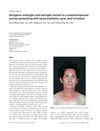 August 2009 in “International Journal of Dermatology”
 A postmenopausal woman's facial redness, acne, and excess hair were caused by too much hormone therapy for insomnia, but improved after stopping the treatment.
 1 citations
,
November 2007 in “Humana Press eBooks”
1 citations
,
November 2007 in “Humana Press eBooks” Most cases of high male hormone levels in women are due to polycystic ovary syndrome.
83 citations
,
December 2004 in “American Journal of Obstetrics and Gynecology” 15 citations
,
August 2010 in “Fertility and sterility” Metformin works better for adolescent girls with PCOS who have certain genetic variations.
 815 citations
,
April 2010 in “The Journal of Clinical Endocrinology & Metabolism”
815 citations
,
April 2010 in “The Journal of Clinical Endocrinology & Metabolism” Women with PCOS should be screened for heart disease risk and manage their health to prevent it.
 16 citations
,
April 2007 in “Journal of Obstetrics and Gynaecology Research”
16 citations
,
April 2007 in “Journal of Obstetrics and Gynaecology Research” Prostate-specific antigen may be a new marker for excess male hormones in women with polycystic ovary syndrome.
May 2019 in “Faculty Opinions – Post-Publication Peer Review of the Biomedical Literature”  343 citations
,
October 2015 in “Endocrine Practice”
343 citations
,
October 2015 in “Endocrine Practice” The guide recommends specific methods for diagnosing PCOS and various treatments for its symptoms, while considering the health impacts on adolescents.
83 citations
,
September 1993 in “Endocrinology and Metabolism Clinics of North America”  14 citations
,
July 1987 in “Dermatologic Clinics”
14 citations
,
July 1987 in “Dermatologic Clinics” The document concludes that treating female hair loss should target reducing excess androgen and blocking its effects on hair follicles, with the best treatments being hormonal therapy, adrenal suppression, and topical minoxidil.
 251 citations
,
October 2014 in “The Journal of Clinical Endocrinology & Metabolism”
251 citations
,
October 2014 in “The Journal of Clinical Endocrinology & Metabolism” The guidelines advise against using testosterone and DHEA in women for most conditions due to safety and effectiveness concerns, but suggest considering testosterone for postmenopausal women with low sexual desire.
 80 citations
,
January 1995 in “The American Journal of Medicine”
80 citations
,
January 1995 in “The American Journal of Medicine” Hair loss in androgenetic alopecia is caused by genetic factors and androgen excess, and can be treated with combined therapies.
 14 citations
,
December 2010 in “Seminars in Oncology”
14 citations
,
December 2010 in “Seminars in Oncology” Rare adrenal cancers that secrete androgens or estrogens have a poor prognosis and are treated primarily with surgery.
 14 citations
,
September 1986 in “Archives of Dermatology”
14 citations
,
September 1986 in “Archives of Dermatology” Women with low SHBG levels and a high 3a-diol G to SHBG ratio are likely to experience female pattern baldness, possibly due to a slight excess of androgens affecting sensitive hair bulbs.
 13 citations
,
September 1986 in “Archives of Dermatology”
13 citations
,
September 1986 in “Archives of Dermatology” Women with more 3α,17β-androstanediol glucuronide compared to sex hormone binding globulin are more likely to have female pattern baldness.
 April 2005 in “CRC Press eBooks”
 Excessive androgens in women with polycystic ovary syndrome can lead to excessive hair growth and hair loss, but this might not fully explain these conditions.