 7 citations
,
January 2015 in “Case reports in endocrinology”
7 citations
,
January 2015 in “Case reports in endocrinology” The document concludes that HAIR-AN syndrome should be considered when a patient shows severe hyperandrogenism and insulin resistance after excluding tumors.
 March 2020 in “Faculty Opinions – Post-Publication Peer Review of the Biomedical Literature”
 Combining nonablative fractional laser with minoxidil was effective for alopecia areata with only one patient relapsing after a year.
 8 citations
,
November 1990 in “Archives of Dermatology”
8 citations
,
November 1990 in “Archives of Dermatology” A woman with EMS showed unusual skin mucinosis without the typical hard skin syndrome, suggesting EMS can cause skin mucinosis.
 1 citations
,
February 2015 in “Journal of evolution of medical and dental sciences”
1 citations
,
February 2015 in “Journal of evolution of medical and dental sciences” 0.05% Betamethasone Dipropionate is the most effective topical treatment for alopecia areata.
 1 citations
,
October 2020 in “Journal of Cosmetic Dermatology”
1 citations
,
October 2020 in “Journal of Cosmetic Dermatology” Possible link between hair loss and metabolic syndrome, with RANTES as a potential clue.
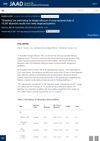 May 2023 in “Journal of The American Academy of Dermatology”
 Most lab tests for patients with Telogen effluvium, a type of hair loss, show no or mild abnormalities; only a few specific tests are useful.
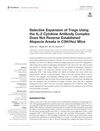 5 citations
,
June 2022 in “Frontiers in immunology”
5 citations
,
June 2022 in “Frontiers in immunology” Increasing Treg cells in the skin does not cure hair loss from alopecia areata in mice.
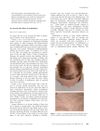 2 citations
,
March 2015 in “Clinical and Experimental Dermatology”
2 citations
,
March 2015 in “Clinical and Experimental Dermatology” Azathioprine can cause unusual hair loss, which may reverse after stopping the drug.
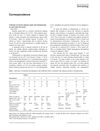 3 citations
,
March 2020 in “International Journal of Dermatology”
3 citations
,
March 2020 in “International Journal of Dermatology” Tildrakizumab showed limited effectiveness in treating chronic alopecia areata in a small group of patients.
 27 citations
,
January 1984 in “Pharmacology & Therapeutics”
27 citations
,
January 1984 in “Pharmacology & Therapeutics” Antiandrogens have important biological effects, but more research is needed to understand them fully and compare their effectiveness and side effects to other treatments.
15 citations
,
June 2015 in “F1000Research” Psoriasis may be chronic because it lacks certain immune system controls that prevent overreaction.
 February 2024 in “Folia Medica”
 Platelet-rich plasma treatment is effective for hair loss in patients regardless of their thyroid antibody levels.
 1 citations
,
September 2022 in “JMIR dermatology”
1 citations
,
September 2022 in “JMIR dermatology” Alopecia Areata greatly affects the quality of life and mental health of Canadian patients and their caregivers.
 7 citations
,
January 2009 in “Immunological investigations”
7 citations
,
January 2009 in “Immunological investigations” A 3-year-old boy lost all his hair due to a rare reaction to phenobarbital, but it grew back after steroid treatment.
55 citations
,
October 2019 in “The journal of allergy and clinical immunology/Journal of allergy and clinical immunology/The journal of allergy and clinical immunology” The review suggests that other immune cells besides CD8+ T cells may contribute to alopecia areata and that targeting regulatory cell defects could improve treatment.
 30 citations
,
June 2012 in “Current Opinion in Endocrinology, Diabetes and Obesity”
30 citations
,
June 2012 in “Current Opinion in Endocrinology, Diabetes and Obesity” Nonclassic congenital adrenal hyperplasia is a genetic disorder causing hormone imbalances, affecting fertility and requiring personalized treatment.
January 2022 in “Figshare” Activated PRP is unnecessary for treating alopecia areata; both activated and non-activated PRP are equally effective and safe.
 May 2020 in “JAAD case reports”
 Using anthralin and calcipotriene together might help treat tough cases of alopecia areata, but more research is needed to understand how it works.
 November 2018 in “The Journal of Allergy and Clinical Immunology: In Practice”
 Using old drugs for new uses can help treat rare immune deficiencies.
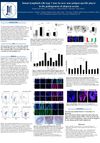
Innate lymphoid cells type 1 may contribute to alopecia areata by damaging hair follicles.
 18 citations
,
May 2013 in “Journal of Dermatological Treatment”
18 citations
,
May 2013 in “Journal of Dermatological Treatment” Non-ablative fractional laser treatments have a low risk of side effects in Asian patients.
1 citations
,
April 2016 in “Journal of Investigative Dermatology” Zinc deficiency causes reversible hair loss by disrupting hair growth and stem cell function.
 2 citations
,
February 2018 in “InTech eBooks”
2 citations
,
February 2018 in “InTech eBooks” TNF-alpha inhibitors can cause various immune-related skin issues.
3 citations
,
August 2017 in “Dermatologic therapy” UVA-1 phototherapy might help treat alopecia areata.
January 1994 in “대한피부과학회지” Androgen receptor expression is similar in affected and unaffected scalp areas in androgenetic alopecia.
 3 citations
,
November 2021 in “Journal of The American Academy of Dermatology”
3 citations
,
November 2021 in “Journal of The American Academy of Dermatology” Androgenetic alopecia, a genetic disorder affecting up to 50% of adults, is caused by an excessive response to androgens leading to hair follicle shrinkage. Treatments include FDA-approved drugs, other therapies like low-dose oral minoxidil, and hair transplantation.
 September 2020 in “Benha Veterinary Medical Journal”
 Sheep with skin diseases often have lower levels of certain trace elements and vitamin A, and higher oxidative stress and immunoglobulin E levels.
 37 citations
,
June 2018 in “Clinical and Experimental Medicine”
37 citations
,
June 2018 in “Clinical and Experimental Medicine” People with alopecia areata often have lower vitamin D levels and more inflammation, suggesting vitamin D might be involved in the condition.
November 2025 in “Journal of Investigative Dermatology” Dithranol reduces inflammation in alopecia areata by lowering certain immune responses.
3 citations
,
March 2024 in “Journal of the American Academy of Dermatology” Low-dose naltrexone helps improve symptoms and stabilize frontal fibrosing alopecia and lichen planopilaris.