 3 citations
,
March 2012 in “Actas Dermo-Sifiliográficas”
3 citations
,
March 2012 in “Actas Dermo-Sifiliográficas” An elderly man with skin amyloidosis and abnormal blood proteins was monitored without finding widespread disease after 18 months.
3 citations
,
January 2004 in “Journal of Wildlife Diseases” A deer fawn in South Dakota was the first cervid found with congenital hypotrichosis, a condition causing sparse or missing hair.
2 citations
,
January 2018 in “International Journal of Trichology” Two sisters had a rare hair condition without other usual symptoms.
 7 citations
,
July 2014 in “BMJ case reports”
7 citations
,
July 2014 in “BMJ case reports” A rare skin disorder, Ichthyosis with confetti, has no cure but treatment focuses on managing symptoms with moisturizers.
 3 citations
,
January 2019 in “Annals of dermatology/Annals of Dermatology”
3 citations
,
January 2019 in “Annals of dermatology/Annals of Dermatology” Hydroxychloroquine effectively treated twenty-nail dystrophy in a patient with alopecia areata.
September 2019 in “The journal of investigative dermatology/Journal of investigative dermatology” New RIPK4 gene mutations were found to cause a type of skin and limb birth defect.
41 citations
,
December 2008 in “Pediatric Dermatology” Trichoscopy can diagnose Netherton syndrome without pulling hairs.
1 citations
,
September 2014 in “Turkish Journal of Dermatology” Alopecia areata severity in children is linked to atopy history, disease duration, and nail involvement, but not anemia.

Vogt–Koyanagi–Harada disease can cause rare hair growth on normally hairless thumb skin.
15 citations
,
June 2012 in “British Journal of Dermatology” A new mutation in the KRT86 gene causes a hair disorder with variable expression.
 July 2018 in “British Journal of Dermatology”
 Hair regrowth was seen in 83% of children with alopecia, immune system plays a role in the condition, and various treatments showed effectiveness for hair and nail disorders.
4 citations
,
January 2013 in “International Journal of Trichology” Monilethrix has no effective treatment, but avoiding hair trauma helps manage it.
17 citations
,
January 1991 in “Acta Dermato Venereologica” A family had a genetic condition causing hair loss on the scalp, passed down through four generations.
 September 2023 in “Cureus”
 Early recognition and treatment of atypical alopecia areata in infants are crucial.
 September 2025 in “Cureus”
 Plica neuropathica can occur with diffuse alopecia and should be considered in diagnosis.
January 2022 in “Clinical Cases in Dermatology” A 4-year-old boy has a rare type of hair loss in a line pattern on his scalp.
 14 citations
,
March 2014 in “Journal of The American Academy of Dermatology”
14 citations
,
March 2014 in “Journal of The American Academy of Dermatology” Symmetrical Acrokeratoderma (SAK) may be a unique skin condition in China, lacking specific treatment and needing long-term monitoring.
6 citations
,
January 2004 in “Der Hautarzt” 2 citations
,
May 1991 in “PubMed” Nevus comedonicus is a rare skin condition causing dark bumps, treatable with retinoic acid or surgery.
March 2022 in “JAAD case reports” Accurate diagnosis is crucial for effective treatment of hair loss.
29 citations
,
June 2010 in “The Journal of Dermatology” Infants with severe KID syndrome may be more prone to serious infections and need close monitoring.
 May 2023 in “Sučasna pedìatrìâ. Ukraïna”
 An 11-year-old child with total hair loss may have a genetic autoimmune disease, and the outlook for hair regrowth is not good.
2 citations
,
May 1979 in “PubMed” Monilethrix is not caused by a metabolic defect.
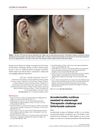 6 citations
,
June 2008 in “Journal of the European Academy of Dermatology and Venereology”
6 citations
,
June 2008 in “Journal of the European Academy of Dermatology and Venereology” A man with Acrodermatitis continua did not get better with etanercept treatment, and his condition worsened, suggesting treatment effectiveness may vary by genetics and race.
 41 citations
,
November 2011 in “The Journal of Dermatology”
41 citations
,
November 2011 in “The Journal of Dermatology” Some hair loss disorders are caused by genetic mutations affecting hair growth.

A 12-year-old girl was misdiagnosed with alopecia areata but actually had a nevus sebaceus with a genetic mutation.
57 citations
,
August 2002 in “American Journal Of Pathology” Cathepsin L deficiency causes hair and skin issues in mice.
 January 2026 in “Dermatology Practical & Conceptual”
 Nail changes are common in alopecia areata and can indicate its severity.
6 citations
,
February 2020 in “Journal of Cutaneous Pathology” Nevus psiloliparus lacks mature hair follicles but keeps other skin structures intact.
3 citations
,
March 1966 in “Archives of Dermatology” Nevoid basal cell carcinomas start in the skin's top layer and hair follicles.