 September 1997 in “Journal of The European Academy of Dermatology and Venereology”
 The document concludes that corticosteroids effectively treat vasculitis allergica in over 90% of cases, with long-term kidney issues being the main adverse outcome.
April 2014 in “Investigative Ophthalmology & Visual Science” 13 citations
,
February 2019 in “Türk oftalmoloji dergisi” New treatments for chronic central serous chorioretinopathy show promise in preventing permanent vision loss.
10 citations
,
April 2003 in “Clinical neurology and neurosurgery” Autoimmune polyglandular syndrome can cause temporary brain issues that may improve on their own.
 May 2024 in “Rossijskaâ oftalʹmologiâ onlajn”
 Early treatment with corticosteroids improved her eye condition significantly.
 April 2024 in “JEADV clinical practice”
 Upadacitinib significantly improved both rheumatoid arthritis and alopecia areata in a patient.
10 citations
,
October 2011 in “Dermatologica Sinica” A patient with PPP had rare skin reactions to adalimumab, which improved after stopping smoking and continuing acitretin.
 1 citations
,
May 2025 in “The Journal of Rheumatology”
1 citations
,
May 2025 in “The Journal of Rheumatology” Upadacitinib may help treat difficult cases of systemic lupus erythematosus.
7 citations
,
January 2019 in “Dermatology Online Journal” Ustekinumab treatment didn't prevent frontal fibrosing alopecia.
November 2024 in “Rheumatology Advances in Practice” Visceral leishmaniasis can mimic rheumatoid arthritis symptoms, especially in immunocompromised patients.
 December 2021 in “Journal of Rheumatic Diseases”
 Early treatment of pediatric lupus-related eye issues is crucial to prevent vision loss.
 41 citations
,
December 2008 in “Current Opinion in Ophthalmology”
41 citations
,
December 2008 in “Current Opinion in Ophthalmology” Certain eye surgery complications can be managed effectively, especially in patients who have used specific prostate medications.
9 citations
,
June 2017 in “The journal of allergy and clinical immunology/Journal of allergy and clinical immunology/The journal of allergy and clinical immunology” Local inflammation worsens autoimmune skin conditions by increasing antibody buildup.
17 citations
,
October 2001 in “British Journal of Ophthalmology” Intralesional cidofovir might be a good alternative treatment.
 May 2025 in “The Journal of Rheumatology”
 Correct diagnosis is crucial for treating overlapping conditions like NMOSD and SLE effectively.
2 citations
,
October 2014 in “Orbit” Lacrimal gland inflammation and alopecia areata can happen together due to autoimmune issues.
 August 2024 in “Clinical Cosmetic and Investigational Dermatology”
 Upadacitinib and narrowband UVB effectively treated a child's vitiligo and alopecia areata.

Upadacitinib effectively treated a patient with multiple inflammatory conditions.
3 citations
,
December 2022 in “Rheumatology Advances in Practice”  24 citations
,
January 2012 in “Indian Journal of Dermatology, Venereology and Leprology”
24 citations
,
January 2012 in “Indian Journal of Dermatology, Venereology and Leprology” Diffuse alopecia areata involves more inflammation and higher allergy-related antibodies than patchy types.
6 citations
,
January 2019 in “Journal of feline medicine and surgery open reports” A cat with severe skin issues improved with dexamethasone and cetirizine.
 July 2025 in “Dermatology Practical & Conceptual”
 Topical eyedrops may cause eyelash whitening and skin lightening around the eyes.
June 2015 in “Annals of the Rheumatic Diseases” Managing multiple autoimmune diseases in one patient is very challenging.
 January 2023 in “Malaysian Journal of Medical Research”
 Early and proper treatment is crucial for children with allergic conjunctivitis to avoid complications.
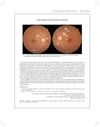 April 2026 in “The National Medical Journal of India”
 Regular eye exams are important for detecting serious complications in lupus patients.
 May 2025 in “The Journal of Rheumatology”
 Anti-CD19 therapy may help treat SLE and NMOSD.
20 citations
,
October 2001 in “British Journal of Ophthalmology” 20 citations
,
November 2017 in “JAAD case reports” Ustekinumab significantly improved psoriasis, vitiligo, and alopecia areata in a patient.
55 citations
,
July 2016 in “Eye” 61 citations
,
June 2010 in “Journal of the European Academy of Dermatology and Venereology” Anti-TNF-α therapy may increase the risk of developing alopecia areata, especially in those with a history of autoimmune disease.