 May 2019 in “Paediatrics and child health”
 The document concludes that personalized treatment, including lifestyle changes and medication, is essential for managing PCOS in teenagers, while also addressing their psychological well-being.
 April 2016 in “Journal of The American Academy of Dermatology”
 Spironolactone use is not linked to an increased risk of breast cancer, but caution is advised for high-risk patients.
June 2015 in “Obstetrics, gynaecology and reproductive medicine” Hirsutism, excessive hair growth in women, is often caused by polycystic ovarian syndrome and is treated by targeting the cause, lifestyle changes, and medication.
Saw palmetto is not proven to improve urinary flow, prostate size, or hair loss.
 July 2012 in “Faculty Opinions – Post-Publication Peer Review of the Biomedical Literature”
 New treatment with Wnt proteins and growth factors safely increases hair thickness.
 May 2006 in “Women's Health Medicine”
 Excessive hair growth in women, often from high androgen levels, is usually caused by PCOS, and can be treated with hair removal, medication, and possibly weight loss.
February 2004 in “Oncology Times” Green tea extract and cycling hormone treatments may help treat advanced prostate cancer.
September 2025 in “Journal of Natural Remedies” Herbal drugs show promise for treating alopecia with fewer side effects, but standardization is challenging.

Carnosic acid from rosemary and sage may be a promising natural treatment for hair loss.
October 2022 in “Journal of the ASEAN Federation of Endocrine Societies” GnRH-a or orchiectomy is more effective than anti-androgens for managing hormone levels in transgender women.
 December 2021 in “Journal of pharmaceutical research international”
 Spironolactone may be effective for acne and other skin conditions and could be used more in treatment.
Low-level light therapy, possibly combined with other treatments, may become a leading hair loss treatment, while hirsutism often worsens with age and lacks preventive options.
 February 2018 in “Medicine - Programa De Formación Médica Continuada Acreditado”
 Minoxidil and finasteride are the main FDA-approved treatments for hair loss, with other methods showing promise but lacking strong evidence.
May 2017 in “Hair transplant forum international” Medical treatments can help manage frontal fibrosing alopecia, but hair transplantation should be done cautiously and only if the disease is inactive.
Thai plant extracts, especially Avicennia marina, can promote hair growth by inhibiting certain enzymes and boosting growth factors.
Treating hair loss in PCOS involves a combination of lifestyle changes, medication, and possibly hair care strategies.
Some plants may help with hair growth but need more scientific evidence.
 September 2005 in “Morecambe Bay medical journal”
 Insulin resistance plays a key role in PCOS, and lifestyle changes, weight loss, and medications like metformin can help manage it.
February 2023 in “Archives of Dermatological Research” A multi-tiered treatment approach is crucial for managing hidradenitis suppurativa in patients with intellectual and developmental disabilities.
Female pattern hair loss, common in women, can be treated with various methods like minoxidil, anti-androgen treatments, and light therapy, but early intervention and realistic expectations are crucial.
 December 2013 in “Faculty Opinions – Post-Publication Peer Review of the Biomedical Literature”
 Flutamide, an oral anti-androgen therapy, is effective in treating female pattern hair loss, even without systemic androgen excess.
December 2022 in “Research Square (Research Square)” A multi-tiered treatment approach is crucial for managing hidradenitis suppurativa in patients with intellectual and developmental disorders.
May 2022 in “Current Enzyme Inhibition” Compound 7b is a promising candidate for treating benign prostatic hyperplasia and prostate cancer.
 June 2007 in “Journal of Investigative Dermatology”
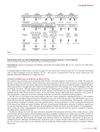
 Title change to "Central Centrifugal Cicatricial Alopecia (CCCA)"; common in African American women; hair-grooming methods may contribute; no effective therapy found; trials needed.
 16 citations
,
September 2018 in “Clinical Biochemistry”
16 citations
,
September 2018 in “Clinical Biochemistry” The document concludes that more research is needed to fully understand the causes of PCOS.
 16 citations
,
February 2018 in “European Journal of Endocrinology”
16 citations
,
February 2018 in “European Journal of Endocrinology” Diagnosing hyperandrogenism in women is complex and requires accurate testing methods and consideration of SHBG levels.
November 2025 in “Репродуктивное здоровье Восточная Европа” Hormonal imbalance contributes to chronic prostatitis and affects male reproductive health.
February 2024 in “Biomedicines” Pregnant women with PCOS have higher levels of Neurokinin B in the placenta, especially with female babies.

Neurokinin B levels are higher in the placentas of women with PCOS who have female babies.
August 2006 in “Experimental dermatology” New treatments targeting insulin, blood flow, and inflammation could improve hormone-related hair conditions with fewer side effects.