 11 citations
,
January 2018 in “Acta dermato-venereologica”
11 citations
,
January 2018 in “Acta dermato-venereologica” Tofacitinib works better and is more tolerable for severe alopecia than conventional treatments and DPCP immunotherapy.
 8 citations
,
January 2018 in “Journal of the American Academy of Dermatology”
8 citations
,
January 2018 in “Journal of the American Academy of Dermatology” Diphenylcyclopropenone treatment helps prevent hair loss relapse in alopecia areata patients.
 7 citations
,
April 2023 in “Frontiers in immunology”
7 citations
,
April 2023 in “Frontiers in immunology” Oral baricitinib and ruxolitinib are effective and safe for treating alopecia areata.
 5 citations
,
January 2021 in “Journal of Cosmetic Dermatology”
5 citations
,
January 2021 in “Journal of Cosmetic Dermatology” Topical cetirizine 1% promotes hair growth in male androgenetic alopecia patients.
 3 citations
,
January 2015 in “Nasza Dermatologia Online”
3 citations
,
January 2015 in “Nasza Dermatologia Online” Some treatments for autoimmune hair loss work, but JAK inhibitors like tofacitinib are promising for regrowth.
 1 citations
,
September 2020 in “Cochrane library (CD-ROM)”
1 citations
,
September 2020 in “Cochrane library (CD-ROM)” The analysis aims to identify the most effective and safest treatments for alopecia areata.
 1 citations
,
January 2014 in “Hair therapy & transplantation”
1 citations
,
January 2014 in “Hair therapy & transplantation” Platelet-rich plasma treatment is not very effective for chronic severe alopecia areata.
 July 2026 in “Quality in Sport”
 New treatments for alopecia areata focus on targeted drugs and regenerative therapies, but challenges remain.
 January 2025 in “Journal of Case Reports and Scientific Images”
 Homeopathic treatment led to hair regrowth in an 8-year-old girl with alopecia areata.
 December 2024 in “Cureus”
 Baricitinib treatment for alopecia universalis can cause hair regrowth with unexpected whitening.
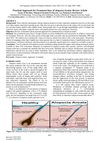 July 2023 in “The Egyptian Journal of Hospital Medicine ”
 The conclusion is that emotional support and a variety of treatments are important for alopecia areata, but more research is needed.
 April 2021 in “Journal of Investigative Dermatology”
 Photobiomodulation therapy may help treat hair loss in people with darker skin, but more research is needed.
Topical calcipotriol successfully treated hair loss in three patients with Alopecia Totalis.
 November 2020 in “Postepy Dermatologii I Alergologii”
 Sulfotransferase SULT1A1 activity may predict minoxidil treatment success for hair loss.
 102 citations
,
April 2014 in “International Journal of Dermatology”
102 citations
,
April 2014 in “International Journal of Dermatology” The treatment helped reduce symptoms and stabilize the hairline in most patients with Frontal Fibrosing Alopecia, but hair regrowth was limited.
 80 citations
,
August 2002 in “Journal of Dermatology”
80 citations
,
August 2002 in “Journal of Dermatology” Best hair growth results from combining finasteride and minoxidil.
 41 citations
,
December 2017 in “Lasers in Medical Science”
41 citations
,
December 2017 in “Lasers in Medical Science” Low-Level Laser Therapy (LLLT) is a safe and effective treatment for common hair loss, but more research is needed to find the best power and wavelength for treatment.
 36 citations
,
May 2015 in “Australasian Journal of Dermatology”
36 citations
,
May 2015 in “Australasian Journal of Dermatology” Low dose oral minoxidil helps regrow hair in permanent chemotherapy-induced alopecia.
 27 citations
,
December 2005 in “Journal of Cosmetic Dermatology”
27 citations
,
December 2005 in “Journal of Cosmetic Dermatology” Niacin derivatives may increase hair fullness in women with hair loss.
 24 citations
,
March 2002 in “Expert opinion on investigational drugs”
24 citations
,
March 2002 in “Expert opinion on investigational drugs” Different anti-androgen medications can help treat excessive hair growth, but the right choice depends on accurate diagnosis.
 23 citations
,
June 2018 in “Facial Plastic Surgery”
23 citations
,
June 2018 in “Facial Plastic Surgery” Platelet-Rich Plasma (PRP) is a low-risk treatment for Androgenic Alopecia (AGA) that generally improves hair count or density, but more research is needed for optimization.
 11 citations
,
December 2019 in “Dermatologic Therapy”
11 citations
,
December 2019 in “Dermatologic Therapy” Ketoconazole may help regrow hair and increase follicle size, but more research needed.
 8 citations
,
March 2021 in “Medicina-lithuania”
8 citations
,
March 2021 in “Medicina-lithuania” PRP treatment may promote hair growth and improve hair density in women with AGA, but more research is needed.
 6 citations
,
February 2020 in “Journal of The European Academy of Dermatology and Venereology”
6 citations
,
February 2020 in “Journal of The European Academy of Dermatology and Venereology” No benefits found using platelet-rich plasma in hair transplants for male hair loss.
 2 citations
,
April 2022 in “Clinical, cosmetic and investigational dermatology”
2 citations
,
April 2022 in “Clinical, cosmetic and investigational dermatology” A new plant-based treatment was effective for hair regrowth in women with a specific type of hair loss that didn't respond to usual treatments.
 1 citations
,
May 2021 in “Revista Eletrônica Acervo Científico”
1 citations
,
May 2021 in “Revista Eletrônica Acervo Científico” The document concludes that more research is needed on treatments for hair loss in both men and women, especially on medication combinations and their benefits.
 1 citations
,
April 2017 in “Journal of Investigative Dermatology”
1 citations
,
April 2017 in “Journal of Investigative Dermatology” Tofacitinib may help regrow hair in severe alopecia areata, but results differ greatly between people.
 March 2026 in “Clinical Cosmetic and Investigational Dermatology”
 Upadacitinib improved multiple immune-related conditions in one patient.
 June 2024 in “Archives of Medical Science”
 Telitacicept effectively improved hair regrowth in a woman with lupus and alopecia.
 May 2022 in “Journal of advances in medicine and medical research”
 Adding PRP to hair transplants improves treatment for cicatricial alopecia.