25 citations
,
April 1988 in “Geburtshilfe und Frauenheilkunde” Treatment balancing hormones stopped hair loss in most women with androgenetic alopecia.
 14 citations
,
April 2014 in “Medical Clinics of North America”
14 citations
,
April 2014 in “Medical Clinics of North America” The document concludes that quick referral and appropriate treatments are crucial for managing common skin conditions and preventing permanent damage.
13 citations
,
August 2020 in “Der Hautarzt” Excessive male hormones in women cause symptoms like unwanted hair growth, and treatment requires careful medical evaluation.
 9 citations
,
December 1981 in “International Journal of Dermatology”
9 citations
,
December 1981 in “International Journal of Dermatology” The document concludes that early diagnosis is key for treating common baldness in women, but reassurance is often the best approach as hair thinning can be a normal part of aging.
 6 citations
,
November 1988 in “Journal of the American Academy of Dermatology”
6 citations
,
November 1988 in “Journal of the American Academy of Dermatology” The document concludes that hair analysis is not good for assessing nutrition but can detect long-term heavy metal exposure.
 4 citations
,
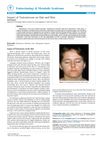
January 2015 in “Endocrinology & metabolic syndrome”
4 citations
,
January 2015 in “Endocrinology & metabolic syndrome” Testosterone can cause acne and male-pattern baldness, affects hair growth in men and women, and makes male skin more sensitive.
 4 citations
,
November 2009 in “Medical Clinics of North America”
4 citations
,
November 2009 in “Medical Clinics of North America” Stress, nutritional issues, and chronic diseases can cause hair loss, and nail changes may signal internal diseases; treatment focuses on the underlying cause.
3 citations
,
February 2025 in “Journal of the American Academy of Dermatology” Feminizing hormone therapy increases hair counts and improves hair-related quality of life, while masculinizing therapy may reduce large terminal hairs.
 3 citations
,
November 2020 in “Journal of The American Academy of Dermatology”
3 citations
,
November 2020 in “Journal of The American Academy of Dermatology” The document suggests that more research is needed to confirm if baldness can indicate a higher risk of severe COVID-19 in men.
 3 citations
,
January 1985 in “PubMed”
3 citations
,
January 1985 in “PubMed” Hormonal birth control can cause skin issues, but low-dose options and those with antiandrogens may reduce these effects.
 2 citations
,
January 2012 in “Journal für Kardiologie (Krause & Pachernegg GmbH)”
2 citations
,
January 2012 in “Journal für Kardiologie (Krause & Pachernegg GmbH)” Hirsutism and alopecia during menopause can be diagnosed and treated with specific hormonal and topical therapies.
 2 citations
,
October 2001 in “Analytical Sciences”
2 citations
,
October 2001 in “Analytical Sciences” A new compound that could treat various androgen-related conditions was created and analyzed.
1 citations
,
November 2021 in “British Journal of Clinical Pharmacology” Saw palmetto may cause erectile dysfunction and needs better safety monitoring.
1 citations
,
January 2014 in “Side effects of drugs annual” Hormonal contraceptives and related compounds can increase health risks like thrombosis and affect sexual function.
 1 citations
,
October 2012 in “Gynäkologische Endokrinologie”
1 citations
,
October 2012 in “Gynäkologische Endokrinologie” The document concludes that proper diagnosis and individualized treatment are crucial for managing androgenization in women effectively.
 December 2025 in “Editora Pasteur eBooks”
 A combined medical and aesthetic approach is crucial for effectively managing PCOS and its skin-related issues.
PCOS management involves medication, lifestyle changes, and personalized treatment to address symptoms and improve health.
May 2025 in “Journal of the American Academy of Dermatology” Bicalutamide shows promise for treating female hair loss.
February 2024 in “Indian Dermatology Online Journal” Androgenic alopecia is linked to more severe COVID-19 and higher mortality.
 June 2023 in “Clinical and Experimental Dermatology”
 Gender-affirming hormone therapy changes hair growth in transgender people, with feminizing therapy reducing hair and masculinizing therapy increasing it, but sometimes additional treatment is needed.
Transgender patients face unique skin issues due to hormone treatments and surgeries.
 November 2022 in “The Journal of Clinical Endocrinology and Metabolism”
 Postmenopausal hyperandrogenism, a condition with symptoms like increased hair growth and acne, is usually caused by PCOS but can also be due to other factors. It's diagnosed by checking testosterone levels and treated either by removing the adrenal tumor or through antiandrogen therapy.
 May 2022 in “Journal of the Egyptian Women's Dermatologic Society (Print)”
 Women's hair loss can be due to hormonal changes and various conditions, with treatments focusing on stopping progression and managing symptoms.
 April 2022 in “Journal of The American Academy of Dermatology”
 The document suggests that nerve issues might contribute to hair loss and that testing sensation could predict these nerve problems.
 October 2020 in “Проблемы эндокринологии”
 Men with higher androgen levels may have severe COVID-19 symptoms, but those on antiandrogen therapy are less likely to contract the virus and have milder symptoms. Anti-androgen drugs could potentially treat COVID-19, but more research is needed.
 October 2016 in “Journal of the Dermatology Nurses’ Association”
 Polycystic Ovary Syndrome (PCOS) affects 6%-15% of women of reproductive age, causing symptoms like acne and hair loss, and increasing the risk of type 2 diabetes and heart disease; it's managed through diet, exercise, and medications like Metformin and hormonal contraceptives.
 September 2016 in “Gynecology Obstetrics and Reproductive Medicine”
 Effective treatment for skin issues in women with PCOS includes oral contraceptives, antiandrogens, and other medications and procedures.
 July 2015 in “Cambridge University Press eBooks”
 Androgens like testosterone affect skin health and can lead to conditions such as acne and hair loss, with various treatments available.
 January 2015 in “Springer eBooks”
 The document concludes that managing PCOS involves lifestyle changes, medication, and monitoring for associated health risks.
 November 2013 in “John Wiley & Sons, Ltd eBooks”
 Skin symptoms can indicate endocrine disorders and have various treatments.