November 2022 in “Journal of Investigative Dermatology” Statins may help treat alopecia areata by reducing harmful immune interactions.
Finasteride reduces prostate cancer risk but may increase high-grade tumors; new drugs and better diagnosis are in development, but funding and industry commitment are challenges.
April 2023 in “Journal of Investigative Dermatology” cp-asiAR may effectively treat hair loss by targeting androgen receptors.
 1066 citations
,
March 2010 in “Nature Reviews Molecular Cell Biology”
1066 citations
,
March 2010 in “Nature Reviews Molecular Cell Biology” MicroRNAs are crucial in controlling cell signaling, affecting cancer and tissue regeneration.
254 citations
,
March 2023 in “Advanced Science” The hydrogel helps heal diabetic wounds faster by reducing inflammation.
Developing microRNA-based treatments is hard but has potential.
 44 citations
,
September 2015 in “Annals of Oncology”
44 citations
,
September 2015 in “Annals of Oncology” Targeted cancer therapies have a significant but lower risk of causing hair loss compared to chemotherapy.
December 2025 in “Biomedicines” Tyrosine kinase inhibitors for endocrine tumors often cause skin issues, requiring early management and treatment adjustments.
 63 citations
,
December 2013 in “PLoS ONE”
63 citations
,
December 2013 in “PLoS ONE” Finasteride may reduce prostate cancer spread by lowering certain enzyme levels.
19 citations
,
April 2014 in “Expert opinion on emerging drugs” New treatments for a type of skin cancer show promise but have side effects and may work better with other therapies.
 February 2023 in “Journal of Korean Medical Association”
 Targeted cancer therapies can cause new side effects, requiring careful monitoring and management to ensure patient safety.
January 2008 in “Projeto: revista mensal de arquitetura” Targeted cancer drugs can cause skin reactions, so dermatologists must manage these effects.
January 2026 in “ACS Applied Bio Materials” A new treatment using nanoliposomes can improve hair regrowth in androgenetic alopecia.
 153 citations
,
January 2001 in “Science”
153 citations
,
January 2001 in “Science” Using CDK inhibitors on rats showed a reduction in chemotherapy-caused hair loss, but later experiments could not repeat these results.
 15 citations
,
October 2014 in “Journal of Investigative Dermatology”
15 citations
,
October 2014 in “Journal of Investigative Dermatology” New treatments targeting the Hedgehog pathway can help treat advanced skin cancer but may have side effects and their effectiveness in early stages is unknown.
 2 citations
,
January 2025 in “Сибирский научный медицинский журнал”
2 citations
,
January 2025 in “Сибирский научный медицинский журнал” TS-13 effectively stops tumor growth and reduces chemotherapy side effects.
13 citations
,
September 2014 in “BMC Complementary and Alternative Medicine” Tanshinone IIA helps protect skin tissue from low oxygen damage by boosting certain cell markers.
 17 citations
,
May 2015 in “Nanomedicine: Nanotechnology, Biology and Medicine”
17 citations
,
May 2015 in “Nanomedicine: Nanotechnology, Biology and Medicine” Scientists created tiny particles loaded with a hair growth drug, minoxidil, that specifically target hair follicles and skin cells to potentially improve hair growth.
 520 citations
,
February 2001 in “Journal of Clinical Investigation”
520 citations
,
February 2001 in “Journal of Clinical Investigation” VEGF helps hair grow and determines follicle size by increasing blood vessel growth.
10 citations
,
August 2020 in “Acta histochemica” All-trans-retinoic acid stops mink hair growth by affecting cell growth and causing cell death.
 11 citations
,
August 1997 in “Expert Opinion on Therapeutic Patents”
11 citations
,
August 1997 in “Expert Opinion on Therapeutic Patents” Many potential alopecia treatments need more testing to confirm they promote acceptable hair growth with minimal side effects.
 3 citations
,
August 2020 in “Cutaneous and Ocular Toxicology”
3 citations
,
August 2020 in “Cutaneous and Ocular Toxicology” ATP helps prevent skin damage from vandetanib by reducing stress.
The document explains how certain drugs block hormones to treat cancers like breast and prostate cancer.
 59 citations
,
April 2016 in “Breast Cancer Research and Treatment”
59 citations
,
April 2016 in “Breast Cancer Research and Treatment” Targeting vitamin D and androgen receptors may effectively treat triple-negative breast cancer, especially with chemotherapy.
 April 2019 in “The journal of investigative dermatology/Journal of investigative dermatology”
 HDAC inhibitors, like Vorinostat and Entinostat, can help regrow hair in alopecia areata.
 June 2024 in “Journal of medicinal chemistry”
 A new AI-driven method shows promise for treating hair loss with a peptide-based drug.
 21 citations
,
February 2013 in “Clinics in Dermatology”
21 citations
,
February 2013 in “Clinics in Dermatology” New treatments for advanced skin cancer are improving patient outcomes, but drug resistance and finding the right treatment combinations are still big challenges.
57 citations
,
April 2009 in “The Journal of Steroid Biochemistry and Molecular Biology” Steroidogenesis inhibitors change but don't stop androgen production in prostate cancer.
 June 2015 in “Reactions Weekly”
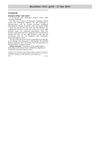
 A man developed alopecia areata after starting cancer treatment with vandetanib.
118 citations
,
December 2003 in “Mechanisms of Ageing and Development” Thymosin β4 helps heal wounds, grow hair, and improve blood vessel formation.