
Dupilumab helped improve skin and prevent new lesions in a child with a rare immune disorder and severe eczema.
 5 citations
,
June 2021 in “Pharmacological Reports”
5 citations
,
June 2021 in “Pharmacological Reports” Vitamin D may help reduce antibody levels in men with autoimmune thyroiditis and early-onset androgenic alopecia, but has no significant impact on thyroid function.
27 citations
,
February 2023 in “Oxidative Medicine and Cellular Longevity” Platelets help heal wounds by transferring mitochondria to cells, reducing stress and cell death.
6 citations
,
November 2018 in “American journal of transplantation” UV light helped human hair transplants survive in mice without broad immunosuppression.
4 citations
,
March 2024 in “Journal of Investigative Dermatology” SPRY1 deficiency in skin cells causes stem cells to move to the skin surface, leading to increased pigmentation.
April 2025 in “Materials Today Bio” A new treatment using gold nanoclusters can safely reduce unwanted hair growth.
5 citations
,
December 2023 in “Clinical Case Reports” Adalimumab effectively stabilized severe folliculitis decalvans, preventing further hair loss and inflammation.
 November 2024 in “Malaysian Journal of Microbiology”
 Patients with thyroid disorders show different symptoms and antibody levels.
 3 citations
,
March 2022 in “Korean Journal of Family Medicine”
3 citations
,
March 2022 in “Korean Journal of Family Medicine” Doctors should consider SLE in males even if antinuclear antibody tests are negative.
 124 citations
,
December 2016 in “Pharmaceuticals”
124 citations
,
December 2016 in “Pharmaceuticals” TRP channels in the skin are important for sensation and health, and targeting them could help treat skin disorders.
 29 citations
,
February 2013 in “Proceedings of the National Academy of Sciences of the United States of America”
29 citations
,
February 2013 in “Proceedings of the National Academy of Sciences of the United States of America” Loss of Fz6 disrupts hair follicle and associated structures' orientation.
 50 citations
,
March 2021 in “Journal of investigational allergology & clinical immunology”
50 citations
,
March 2021 in “Journal of investigational allergology & clinical immunology” Dupilumab is being tested for many new skin, respiratory, and gastrointestinal conditions.
 April 2021 in “Journal of Investigative Dermatology”
 The new skin-targeted COVID-19 vaccine creates strong immune responses and could improve vaccination methods.
 February 2011 in “Journal of Investigative Dermatology”
 New findings suggest targeting IL-23 could treat psoriasis, skin cells can adapt to new roles, direct conversion of skin cells to blood cells may aid cell therapy, removing certain tumor cells could boost cancer immunotherapy, and melanoma may have many tumorigenic cells, not just cancer stem cells.
 June 2026 in “Current Oncology Reports”
 Sacituzumab Tirumotecan shows promise in treating gynecologic cancers with manageable side effects.
 10 citations
,
March 2014 in “Scandinavian journal of clinical and laboratory investigation”
10 citations
,
March 2014 in “Scandinavian journal of clinical and laboratory investigation” Malondialdehyde-modified DNA may trigger an immune response in alopecia areata patients.
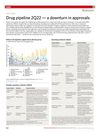 August 2022 in “Nature Biotechnology”
 Drug approvals slowed in 2Q22, but notable drugs like Amvuttra, Camzyos, and Olumiant were approved.
 82 citations
,
July 2011 in “Journal of Neuroscience”
82 citations
,
July 2011 in “Journal of Neuroscience” Ethanol boosts brain steroid production by activating NMDA receptors, affecting memory formation.
 78 citations
,
June 2003 in “Journal of Investigative Dermatology Symposium Proceedings”
78 citations
,
June 2003 in “Journal of Investigative Dermatology Symposium Proceedings” TGF-β1 from dermal papilla cells suppresses hair growth, and targeting it may help treat androgenetic alopecia.
 57 citations
,
June 2018 in “Nutrients”
57 citations
,
June 2018 in “Nutrients” Celiac disease can cause skin problems that may get better with a gluten-free diet.
 13 citations
,
April 1994 in “Journal of Investigative Dermatology”
13 citations
,
April 1994 in “Journal of Investigative Dermatology” Androgen receptors found in monkey scalps, similar to humans, affect hair growth.
 1 citations
,
September 2013 in “The Journal of Dermatology”
1 citations
,
September 2013 in “The Journal of Dermatology” An 8-year-old girl developed a rare skin condition in a linear pattern on one side of her body after a lung infection, which improved with treatment.
 1 citations
,
June 2013 in “Science-business Exchange”
1 citations
,
June 2013 in “Science-business Exchange” Increasing the levels of a protein called FGF9 can promote hair growth, but humans may not respond the same way due to a lack of certain cells.
 127 citations
,
July 2002 in “EMBO journal”
127 citations
,
July 2002 in “EMBO journal” Normal skin cell renewal doesn't need RAR signaling, but vitamin A-related skin thickening does.
 64 citations
,
March 2005 in “Journal of Investigative Dermatology”
64 citations
,
March 2005 in “Journal of Investigative Dermatology” Brain-Derived Neurotrophic Factor (BDNF) slows down hair growth and promotes hair follicle regression.
 44 citations
,
October 2017 in “Scientific Reports”
44 citations
,
October 2017 in “Scientific Reports” Far-infrared radiation improves stem cell growth and movement, helping heart therapy.
 32 citations
,
February 2024 in “Growth Hormone & IGF Research”
32 citations
,
February 2024 in “Growth Hormone & IGF Research” Dihydrotestosterone (DHT) stops hair growth in mice by lowering a growth factor important for hair.
 28 citations
,
May 2019 in “Life Sciences”
28 citations
,
May 2019 in “Life Sciences” Ginsenoside Rb1 from Panax ginseng helps mink hair grow by activating certain cell signals.
 23 citations
,
January 2016 in “Theranostics”
23 citations
,
January 2016 in “Theranostics” Minoxidil-coated microbubbles with sonication effectively enhance hair growth.
 22 citations
,
April 2006 in “Journal of Dermatological Science”
22 citations
,
April 2006 in “Journal of Dermatological Science” Vitamin C derivative increases versican in cells, potentially aiding hair growth.