Search
for
Sort by
Research
840-870 / 1000+ results
research Antiparasitic efficacy of geraniol from Apiaceae family in scabies treatment
Geraniol effectively treats scabies and is safe for use.
research T helper type 2 immune response in alopecia areata
Allergies, especially dust mite allergy, may worsen alopecia areata, and desensitization could help reduce its severity.
research Epidemiological, Clinical, Dermoscopic Findings, and Management of Perinevoid Alopecia
Perinevoid alopecia can be effectively treated with non-invasive corticosteroids.
research A case of erosive pustular dermatosis of the scalp in a pediatric patient
EPDS can cause recurring scalp sores and hair loss if not treated.

research Successful management of severe alopecia areata and vitiligo using topical delgocitinib and a 308-nm excimer laser
Combining topical delgocitinib with a 308-nm excimer laser can effectively treat severe alopecia areata and vitiligo.
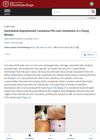
research Generalized Asymptomatic Cutaneous Pits and Comedones in a Young Woman
The woman has a rare skin condition called follicular Dowling-Degos disease, which has limited treatment options.

research Dermoscopy — 4th Conference of the Section of Dermoscopy and Other Skin Imaging Techniques (DiTOS) of the Polish Dermatological Society — Abstracts
Hair loss can be caused by cancer, treatments, or skin conditions, and trichoscopy helps diagnose it.

research “Degeneration” in Dermatopathology
The document concludes that understanding tissue degeneration is crucial for diagnosing skin lesions.
research Tratamento da alopecia através de aplicações de substâncias farmacológicas pelo método intradermoterapia: revisão da literatura
Intradermotherapy is a safe and effective short-term treatment for hair loss.
research The Prevalence of Scopulariopsis sp. and Penicillium sp. in African Pygmy Hedgehogs (Atelerix albiventris) Skins in a Farm in Bogor District of Indonesia
90% of African pygmy hedgehogs in the study had fungal infections.
research Clinical efficacy of diphenylcyclopropenone in alopecia areata: Retrospective data analysis of 50 patients
Diphenylcyclopropenone (DPCP) is effective in treating alopecia areata, with most patients showing significant hair regrowth.
research Effectiveness of transdermal fluralaner in the treatment of Lynxacarus radovskyi (Acari: Listrophoridae) in naturally infested domestic cats
A single dose of fluralaner effectively treats mite infestations in cats without side effects.
research Comparative antifungal potential of six formulated herbal shampoos against Candida albicans causing Seborrheic dermatitis
Herbal shampoos are as effective and safer than synthetic antifungal shampoos for treating Seborrheic dermatitis.
research Erosive Pustular Dermatosis of the Scalp: Clinicopathological Correlation Leading to a Definition of Diagnostic Criteria
Chronic scalp lesions with crusts and pus that heal with strong topical steroids suggest Erosive Pustular Dermatosis, confirmed by biopsy showing specific immune cells.
research Dendritic cell migrations involving the pilosebaceous unit in the development of murine skin
Dendritic cells help regulate skin development and hair growth in mice.
research Dorsal Skin Reactions of Hairless Dogs to Topical Treatment with Corticosteroids
Stronger corticosteroids cause more skin damage in hairless dogs, similar to effects in humans.
research Understanding dermatological health challenges in rural communities - An epidemiological study
Non-infectious skin issues like eczema are common in rural areas, especially in men aged 40-60.
research Analyse phénotypique et fonctionnelle de la population CD4+CD160+ dans les lésions de dermatite atopique
research sQuiz your knowledge: Polycyclic annular plaques on the trunk following dutasteride treatment
Dutasteride for hair loss can cause skin reactions like itchy red plaques.
research Moth-eaten alopecia
"Moth-eaten alopecia" can be a sign of secondary syphilis, treatable with penicillin.
research Prescription Pattern in Dermatological Conditions of the Pediatric Population
Topical creams are commonly used for treating non-infective skin diseases in children, with antifungals being the most prescribed.
research New insights on dandruff/seborrhoeic dermatitis: the role of the scalp follicular infundibulum in effective treatment strategies
Effective dandruff treatment requires delivering antifungal agents to the scalp follicular infundibulum.

research Classification of psychodermatological disorders: Proposal of a new international classification
The document suggests a new way to categorize skin and mind disorders into two main groups to reduce confusion.
research DERMAL-EPIDERMAL INTERACTIONS
Hair loss is mainly caused by hormones, autoimmune issues, and chemotherapy, and needs more research for treatments.
research Alopecia neoplastica caused by desmoplastic melanoma
A rare skin cancer caused hair loss and spread, needing multiple treatments.
research Tether-induced tenosynovitis: The importance of an intact skin barrier
An intact skin barrier is crucial to prevent infection in cases of tether-induced tenosynovitis.
research Folliculitis Decalvans With Frontal Fibrosing Alopecia in a Dark Phototype: Presentation of Folliculitis Decalvans and Lichen Planopilaris Phenotypic Spectrum
Folliculitis Decalvans and Frontal Fibrosing Alopecia can coexist in people with darker skin, showing features of both conditions.
research Cicatricial (Scarring) Alopecias
Scarring alopecias are complex hair loss disorders that require early treatment to prevent permanent hair loss.

research Follicular Psoriasis: A Case Report and Review of Literature
A man with follicular psoriasis got better after treatment with skin cream and allergy pills.