2 citations
,
September 2014 in “International Journal of Dermatology” Sodium valproate can worsen psoriasis-like skin conditions.
2 citations
,
January 2018 in “Biomolecules & therapeutics” Polyamidoamine dendrimers can change the strength and direction of electroosmotic flow through the skin, affecting drug delivery.
6 citations
,
May 2023 in “Molecules” Cepharanthine dry powder inhalers may effectively treat acute lung injury by reducing inflammation.
January 2017 in “The American Pharmacists Association eBooks” January 2017 in “The American Pharmacists Association eBooks”  12 citations
,
December 1985 in “Dicp-The annals of pharmacotherapy”
12 citations
,
December 1985 in “Dicp-The annals of pharmacotherapy” Carbamazepine can cause hair loss, which may reverse when the medication is stopped.
4 citations
,
July 2024 in “Pharmacology Research & Perspectives” Ritlecitinib is safe and may effectively treat alopecia areata.
8 citations
,
June 2022 in “Cancers” Epirubicin and cyclophosphamide cause more anemia and side effects than docetaxel and cyclophosphamide, but both are equally effective.
 1 citations
,
April 2020 in “Journal of The European Academy of Dermatology and Venereology”
1 citations
,
April 2020 in “Journal of The European Academy of Dermatology and Venereology” Drugs like PDEI may help hair disorders like AGA.
169 citations
,
August 1981 in “BMJ” Sodium valproate improved epilepsy control but often caused weight gain in children.
 October 2021 in “Revista Medicina Cutánea Ibero-Latino-Americana”
 PRIDE syndrome helps identify skin side effects from EGFR inhibitors like erlotinib.
3 citations
,
April 2024 in “JAAD Case Reports” DPCP may be safe for treating alopecia during pregnancy, but more research is needed.
 26 citations
,
June 2018 in “The journal of immunology/The Journal of immunology”
26 citations
,
June 2018 in “The journal of immunology/The Journal of immunology” AIRE-deficient rats developed severe autoimmune disease similar to APECED, useful for testing treatments.
24 citations
,
February 2011 in “The American journal of pathology” AIRE protein, defective in APECED patients, is found in skin and hair cells and interacts with cytokeratin 17.
June 1958 in “Mycopathologia” Selective chemical epilation effectively treats tinea capitis without harmful side effects.
iEdgePathDDA effectively finds new drug-disease links, outperforming other methods.
2 citations
,
January 2012 in “Journal of Clinical & Experimental Dermatology Research” Fexofenadine reduces discomfort but doesn't significantly improve hair regrowth in Alopecia Areata treatment.
August 2025 in “Indian Dermatology Online Journal” Early recognition and treatment of EPDS are crucial to prevent permanent hair loss.
41 citations
,
November 2015 in “The journal of investigative dermatology. Symposium proceedings/The Journal of investigative dermatology symposium proceedings” Diphenylcyclopropenone (DPCP) can help regrow hair in many alopecia areata patients but may cause side effects and relapses.
 17 citations
,
January 2013 in “Indian Journal of Pharmacology”
17 citations
,
January 2013 in “Indian Journal of Pharmacology” High levels of the seizure medication sodium valproate can cause hair loss.
January 2008 in “Journal of Medicinal Chemistry” Finasteride may cause sexual and psychological side effects by affecting an enzyme related to epinephrine.
 2 citations
,
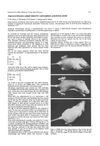
September 1980 in “Experientia”
2 citations
,
September 1980 in “Experientia” Polyethylene alanine caused hair loss in young lab animals but not in adults, with hair regrowth occurring within 20 days.
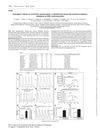 October 2019 in “European heart journal”
 Androgen-deprivation therapies increase the risk of certain heart conditions, but testosterone treatment may help.

A rare skin reaction occurred when a man took paracetamol, causing a new rash in an area already affected by hair loss.
 3 citations
,
April 2019 in “Journal of Dermatological Treatment”
3 citations
,
April 2019 in “Journal of Dermatological Treatment” Caffeine shows promise for treating some types of hair loss, but more research is needed.
3 citations
,
April 2023 in “Journal of Veterinary Internal Medicine” Dogs with epilepsy have different hair mineral levels than healthy dogs, possibly due to epilepsy or its treatment.
52 citations
,
February 2009 in “Journal of the American Academy of Dermatology” A 93-year-old woman developed a rare scalp condition after therapy, which improved with steroids, not antibiotics.
3 citations
,
June 2025 in “Gyemyeong uidae haksulji” PDRN is effective and safe for healing wounds and skin issues.
9 citations
,
July 2022 in “Journal of Clinical Oncology” Oral paclitaxel plus encequidar improved tumor response and caused less neuropathy but more serious infections than intravenous paclitaxel.