1 citations
,
October 2008 in “Urology” PSA levels help determine prostate size and guide treatment choices for benign prostatic hyperplasia.
1 citations
,
December 2005 in “The Journal of Urology” Combination therapy for BPH is more effective in certain men but may not be cost-effective due to minimal impact and potential side effects.
1 citations
,
August 2002 in “PubMed” Finasteride effectively slowed hair loss and promoted hair growth in Taiwanese men.
 1 citations
,
April 2016 in “Journal of The American Academy of Dermatology”
1 citations
,
April 2016 in “Journal of The American Academy of Dermatology” A man developed a rare skin condition and drug-induced lupus, highlighting the need for biopsy in diagnosing skin issues caused by sunlight.
 1 citations
,
January 2016 in “Dermatology Review”
1 citations
,
January 2016 in “Dermatology Review” Vitamin D might help treat alopecia areata.
 June 2026 in “World Journal of Urology”
 Long-term finasteride use may lead to earlier use of ED medication and lower prostate cancer diagnosis rates.
January 2026 in “Journal of Pharmacy & Bioresources” Many patients with benign prostatic hyperplasia experience high anxiety and residual symptoms, needing better anxiety management.
December 2025 in “Animals” TGFBR1 slows down cell growth in fine-wool sheep hair follicles.
November 2025 in “The Journal of Immunology” BST2 is highly expressed in certain immune cells in alopecia areata, suggesting a role in the disease.
July 2025 in “Reproductive Biology” Finasteride use in male rats may harm their male offspring's liver function.
 April 2025 in “Al-Rafidain Journal of Medical Sciences ( ISSN 2789-3219 )”
 Cuscuta reflexa extract may help treat benign prostatic hyperplasia by reducing inflammation and oxidative stress.

Olive leaves extract may help treat benign prostatic hyperplasia (BPH).
 January 2025 in “HORMONES”
 Gender-affirming hormone treatments need better patient-focused outcome measurements and standardized data collection.
 October 2023 in “Frontiers in medicine”
 Comprehensive screening for infections is crucial before starting JAK inhibitors in alopecia areata patients.
July 2023 in “International Journal of Molecular Sciences” Trapa bispinosa Roxb. extract may help reduce prostate size and cell growth in BPH.
May 2023 in “The Journal of Immunology” BST2 is a key marker for hair loss disease alopecia areata.
 January 2023 in “International Journal of Clinical and Medical Education Research”
 Correct testosterone levels for age to treat prostate cancer, using low dose treatments as necessary.
 April 2022 in “Research Square (Research Square)”
 Researchers created a stable rabbit cell line for hair research that doesn't age quickly or become cancerous.
 April 2022 in “Diabetes Therapy”
 Low testosterone does not prevent prostate cancer in men with type 1 diabetes.
 January 2022 in “Przegla̧d dermatologiczny”
 The exact cause of frontal fibrosing alopecia is unknown, but it's not likely due to sunscreen.
August 2019 in “KMOU Repository (Korea Maritime and Ocean University)” Sapium rotundifolium extract may help treat enlarged prostate.
April 2018 in “Journal of Investigative Dermatology” Melanogenesis-related proteins may trigger immune responses in alopecia areata patients.
 January 2018 in “Elsevier eBooks”
 The document concludes that alopecia has significant social and psychological effects, leading to a market for hair loss treatments.
October 2017 in “Universidad Nacional de Trujillo” Low doses of Coffea arabica seed extract prevent prostate growth and lower uric acid and PSA levels.
 April 2017 in “Journal of Investigative Dermatology”
 Certain microRNAs may protect against hair loss in alopecia areata and could be potential treatment targets.
July 2014 in “Urologia Journal” 5ARI treatment improves PSA test accuracy for prostate cancer diagnosis.
August 2013 in “한국산업융합학회 논문집” Finasteride reduces certain hormone levels to treat prostate issues.
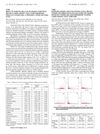 April 2013 in “The Journal of Urology”
 Higher CRP levels suggest chronic inflammation is linked to bladder-related urinary symptoms in men with enlarged prostates.
Early balding may be a sign of future prostate problems.
 September 2011 in “Urology”
 Urinary PSA could be an early marker for enlarged prostate.