5 citations
,
May 2022 in “Lara D. Veeken” A rare genetic condition can mimic symptoms of other diseases, making diagnosis challenging.
 13 citations
,
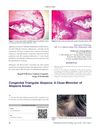
January 2011 in “International Journal of Trichology”
13 citations
,
January 2011 in “International Journal of Trichology” CTA is often mistaken for AA but doesn't respond to steroids and may require hair transplantation.
 April 2020 in “International journal of research in dermatology”
 An 8-year-old girl has a rare, irreversible hair loss condition caused by a genetic mutation.
 184 citations
,
February 2015 in “EBioMedicine”
184 citations
,
February 2015 in “EBioMedicine” A patient with Alopecia Areata had complete hair regrowth after using the drug baricitinib.
 May 2025 in “The Journal of Rheumatology”
 Anti-CD19 therapy may help treat SLE and NMOSD.
 March 2026 in “Clinical Cosmetic and Investigational Dermatology”
 Upadacitinib improved multiple immune-related conditions in one patient.
20 citations
,
January 2002 in “Laboratory Animals” Mutations in the hairless gene cause hair loss and skin cysts in rhesus macaques.
April 2017 in “Al-Azhar Medical Journal” PRP is an effective and safe treatment for alopecia areata.
71 citations
,
February 1992 in “Journal of Cutaneous Pathology” Antibodies help identify glycoproteins in normal skin and tumor cells.
2 citations
,
October 2000 in “Journal of Investigative Dermatology” AUC and APL are distinct conditions needing careful clinical assessment.
12 citations
,
May 2016 in “British Journal of Dermatology” A 6-year-old boy's skin condition improved after stopping a specific treatment and starting new medications.
 June 2021 in “Working paper of public health”
 Six months after COVID-19, most patients still had autoantibodies.
 January 2011 in “International Journal of Trichology”
 The document concludes that doctors should recognize congenital triangular alopecia to avoid unnecessary treatments, as it does not respond to steroids like alopecia areata does.
1 citations
,
August 2025 in “Australasian Journal of Dermatology” Anti-TNF therapy can cause a rare hair loss condition similar to alopecia areata.
 3 citations
,
August 2024 in “Cureus”
3 citations
,
August 2024 in “Cureus” Upadacitinib may cause hair loss.
 185 citations
,
August 2005 in “Autoimmunity Reviews”
185 citations
,
August 2005 in “Autoimmunity Reviews” Alopecia areata is an autoimmune condition causing hair loss due to the immune system attacking hair follicles, often influenced by genetics and stress.
 January 2023 in “Journal of Cutaneous Pathology”
 The study found certain scalp biopsy features can help tell apart alopecia areata from pattern hair loss even when typical immune cells are not seen.
 September 2025 in “Cureus”
 Early recognition and multidisciplinary management are crucial for improving outcomes in Parry-Romberg syndrome.
 3 citations
,
March 2010 in “Dermatologica Sinica”
3 citations
,
March 2010 in “Dermatologica Sinica” A Taiwanese patient had hair loss and skin bumps without the usual gene mutation, suggesting other genetic factors might be involved.
 October 2023 in “Benha Journal of Applied Sciences”
 PPAR-γ may be a key target for treating alopecia areata and other skin conditions.
September 2024 in “Annals of Dermatology” A new diagnostic model can help better diagnose and understand Alopecia Areata.
 1 citations
,
January 2025 in “American Journal of Translational Research”
1 citations
,
January 2025 in “American Journal of Translational Research” PPARα agonists may help treat alopecia areata by reducing inflammation.
 7 citations
,
July 1990 in “Journal of the American Academy of Dermatology”
7 citations
,
July 1990 in “Journal of the American Academy of Dermatology” A woman with bullous pemphigoid had an allergic reaction to azathioprine, but got better with alternative treatments.
11 citations
,
February 2011 in “The Journal of Dermatology” Mutations in the hairless gene cause a rare form of permanent hair loss.
 64 citations
,
July 2016 in “Journal of Immunology”
64 citations
,
July 2016 in “Journal of Immunology” Blocking the CXCR3 receptor reduces T cell accumulation in the skin and prevents hair loss in mice.
4 citations
,
October 2024 in “Journal of the American Academy of Dermatology” Abrocitinib may help treat alopecia areata effectively with mild side effects.
 July 2018 in “International Journal of Research in Medical Sciences”
 Platelet rich plasma was slightly more effective than no treatment for hair loss in alopecia areata patients.
July 2019 in “Dermatology practical & conceptual” The study found that alopecia areata is strongly linked to autoimmune diseases and may indicate a genetic predisposition to such conditions.
November 2021 in “International Journal of Trichology” Low PON1 levels may indicate and predict the severity of hair loss.
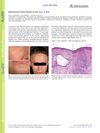 1 citations
,
January 2019 in “Acta dermato-venereologica”
1 citations
,
January 2019 in “Acta dermato-venereologica” The woman's skin and hair symptoms were confirmed as frontal fibrosing alopecia, and while facial papules are common in such cases, there's no effective local treatment, but systemic treatments can help.