Search
for
Sort by
Research
240-270 / 1000+ results
research The peach RGF/GLV signalling peptide pCTG134 is involved in a regulatory circuit that sustains auxin and ethylene actions
The peach gene pCTG134 helps control the interaction between auxin and ethylene hormones during fruit ripening.
research Pinkie, the First Viable Germline Hypomorph Allele of Retinoid X Receptor Alpha, Reveals an Important Role for RXRa in Th2 Development.
RXRa is crucial for Th2 immune cell development and may link nutrition to immune health.
research Melanocortin receptors in fibroblastic cell types of the skin –in vitro and in vivo expression and functional relevance
MC-1R is present in skin cells and may help reduce inflammation.
research DKK4 as a novel candidate marker for Zhexi Angora rabbit wool quality
DKK4 can be used to improve wool quality in Zhexi Angora rabbits.
research Novel missense mutation in the EDA gene in a family affected by oligodontia
Researchers found a new mutation in the EDA gene that likely causes missing teeth and mild skin symptoms in one family.

research 560 Isolation of an “early” transit amplifying keratinocyte population in interfollicular human epidermis: a role for CD271 receptor
Scientists found a new type of skin cell that could help with skin repair and these cells work better with a certain protein.

research NAC1 directs CEP1-CEP3 peptidase expression and modulates root hair growth in Arabidopsis
NAC1 controls certain enzymes that reduce root hair growth in Arabidopsis.
research HR Gene Variants Identified in Mexican Patients with Alopecia Areata
A specific gene variant may increase the risk of developing Alopecia Areata.
research An adult case of suspected A20 haploinsufficiency mimicking polyarteritis nodosa
A rare genetic condition can mimic symptoms of other diseases, making diagnosis challenging.
research Identification of the C-terminal tail domain of AHF/trichohyalin as the critical site for modulation of the keratin filamentous meshwork in the keratinocyte
The C-terminal tail of AHF/trichohyalin is essential for organizing keratin filaments in keratinocytes.

research Ectopic acanthosis nigricans at a post-syndactyly surgical site: An unusual reactive epidermal phenomenon
Ectopic acanthosis nigricans can occur at surgical sites due to skin graft mismatches.
research Novel recombinant human acid α-glucosidase with optimal glycosylation is significantly better than standard of care enzyme replacement for glycogen clearance in skeletal muscles of GAA knock-out mice
research Investigation of Paraoxanase Enzyme Polymorphism in Patients with Alopecia Areata
There is no significant link between alopecia areata and the PON1 enzyme polymorphisms studied.
research A SUBPOPULATION OF ITCH RECEPTORS MARKED BY RET EXPRESSION
A new type of nerve cell involved in itch perception was discovered.
research A rare LMNA missense mutation causing a severe phenotype of mandibuloacral dysplasia type A: a case report
A rare genetic mutation caused severe symptoms in a 6-year-old girl with mandibuloacral dysplasia type A.
research Is neuronal inhibition or excitability controlled by Na+K+2CL– transporters?
NKCC1 transporters help control neuron excitability and inhibition.
research The role of vasoactive peptides in skin homeostasis—focus on adiponectin and the kallikrein-kinin system
Adiponectin and bradykinin play important roles in skin health and may help treat skin conditions.
research Adenosine A2B receptor: A pathogenic factor and a therapeutic target for sensorineural hearing loss
Blocking adenosine A2B receptor may prevent or treat hearing loss.
research Prevalence of MMP-1 rs1799750 Polymorphism in Androgenetic Alopecia: A Cross-Sectional Study in an Indonesia Population
There is no significant link between the MMP-1 rs1799750 polymorphism and androgenetic alopecia in the Indonesian population.
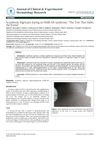
research Acanthosis Nigricans during an HAIR-AN syndrome: "The Tree That Hides the Forest"
The case shows skin changes can indicate deeper health issues like insulin resistance, which are challenging to manage.

research A Natural Inhibitor, 1′S-1′-Acetoxychavicol Acetate, Against Testosterone-Induced Alopecia via NADPH Oxidase Regulation
1′S-1′-Acetoxychavicol acetate may help treat hair loss by reducing oxidative stress.
research Editors' Picks
ANp63 is crucial for skin integrity, new filaggrin gene mutations link to eczema, hair can regrow from non-stem cells, sunburns are increasing, and glucocorticoids help treat skin allergies by affecting immune cells.

research Characterisation, genomic organisation, expression and function of the mEphA1 receptor Tyrosine Kinase
mEphA1 receptor tyrosine kinase is important for skin and hair development and may play a role in certain diseases.
research The Relationship Between Glycine and Gephyrin in Synapses of the Rat Spinal Cord
Glycine is a key transmitter in rat spinal cord synapses, often alongside GABA.
research Characteristic intraepidermal nerve fibre endings of the intervibrissal fur in the mystacial pad of the rat: morphological details revealed by intravital methylene blue staining and the zinc iodide‐osmium tetroxide technique
Methylene blue staining effectively reveals detailed nerve structures in rat snouts.

research Phenyl Propanoid 1’s-1′-Acetoxychavicol Acetate Protects Against Testosterone-Induced Alopecia by Inhibiting Nadph Oxidase
ACA from Alpinia galanga may prevent testosterone-related hair loss.
research Mutation in 5′ upstream region of GCH I gene causes familial dopa-responsive dystonia
A specific gene mutation is linked to a hereditary form of dystonia that responds well to certain medications.
research Nonanal Stimulates Growth Factors via Cyclic Adenosine Monophosphate (cAMP) Signaling in Human Hair Follicle Dermal Papilla Cells
Nonanal from fruits and vegetables promotes hair growth by increasing growth factors.
research Interaction of the vacuolar H+-pyrophosphatase AVP1 with the secondary transporters AtNHX1 and SOS1 in Arabidopsis thaliana: Implications in salt tolerance and mineral nutrition
Overexpressing AVP1 and AtNHX1 in plants improves salt tolerance and root hair development.