 April 2024 in “Histochemistry and cell biology”
 N-acetylcysteine may prevent hair loss caused by chemotherapy.
 January 2026 in “International Journal of Innovative Technologies in Social Science”
 JAK inhibitors show promise for treating alopecia areata, but more research is needed.
3 citations
,
July 2024 in “Archives of Dermatological Research” Oral ritlecitinib and baricitinib are promising treatments for severe alopecia areata due to their balance of effectiveness and safety.
 1 citations
,
September 2017 in “Journal of Investigative Dermatology”
1 citations
,
September 2017 in “Journal of Investigative Dermatology” Backhousia citriodora leaf extract effectively reduces oily skin across different ethnic groups.
 December 2025 in “Zenodo (CERN European Organization for Nuclear Research)”
 Tridax procumbens is a promising herb for developing safe, affordable plant-based medicines.
 October 2024 in “Canadian Journal of Health Technologies”
 Olumiant should be covered for severe alopecia areata if certain conditions are met.

Lysine carboxymethyl cysteinate (LCC) protects skin from UVB damage by activating autophagy.
1 citations
,
January 2004 in “Linchuang pifuke zazhi” Topical cyclosporin-A is recommended for severe alopecia areata.
 5 citations
,
April 2013 in “Nasza Dermatologia Online”
5 citations
,
April 2013 in “Nasza Dermatologia Online” Oral zinc therapy is effective for treating acrodermatitis enteropathica.
 9 citations
,
April 2019 in “Food Chemistry”
9 citations
,
April 2019 in “Food Chemistry” Created large amounts of grape seed compounds using a new method.
14 citations
,
May 2016 in “International Journal of Molecular Sciences” PP2Acα is essential for proper hair and skin development.
 1 citations
,
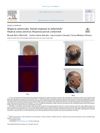
July 2019 in “Medicina Clínica (English Edition)”
1 citations
,
July 2019 in “Medicina Clínica (English Edition)” Tofacitinib partially improved hair regrowth in a patient with severe hair loss.
research TOC
April 2007 in “Dermatologic Clinics” Understanding drug effects and careful monitoring are crucial for safe and effective dermatology treatments.
 April 2021 in “HIV & AIDS Review”
 Glycyrrhizinic acid spray showed limited effectiveness in treating anogenital warts in HIV patients with low CD4 levels.
 22 citations
,
August 2009 in “Evidence-based Complementary and Alternative Medicine”
22 citations
,
August 2009 in “Evidence-based Complementary and Alternative Medicine” The composition with carnitine, thioctic acid, and saw palmetto extract may effectively reduce inflammation in hair follicle cells.
January 2026 in “Clinical and Experimental Dermatology” Ruxolitinib helped a patient with alopecia areata regrow hair.
74 citations
,
April 2002 in “PubMed” Both oral contraceptives reduced acne effectively and had similar positive effects on skin oiliness and hair growth.
 7 citations
,
January 2019 in “Postepy Dermatologii I Alergologii”
7 citations
,
January 2019 in “Postepy Dermatologii I Alergologii” Certain gene variations might be linked to severe acne in women but not in men.
 1 citations
,
August 2017 in “Asian Journal of Pharmaceutical and Clinical Research”
1 citations
,
August 2017 in “Asian Journal of Pharmaceutical and Clinical Research” The 1% ethyl acetate fraction ethosomal gel from Nothopanax scutellarium leaves promotes hair growth but can mildly irritate the skin.
The product made from plant extracts was tested for treating hair loss caused by genetics.
February 2006 in “Journal of the American Academy of Dermatology”  July 2026 in “Dermatology Practical & Conceptual”
 Methotrexate via microneedling is more effective than triamcinolone for treating stubborn alopecia areata.
 January 2025 in “International Journal of Pharmacognosy and Pharmaceutical Research”
 Bacopa monnieri extract can significantly inhibit cell division.
January 2013 in “Touro Scholar (Touro College)” DPCP works best for alopecia areata, but more research is needed for better treatments.
May 2022 in “Endocrine Abstracts” Cyproterone acetate therapy improved hair loss and reduced testosterone levels in a menopausal woman.
July 2026 in “Journal of Enzyme Inhibition and Medicinal Chemistry” Improved CRBN ligands make protein degraders more effective and drug-like.
January 2014 in “Journal of Guangdong Pharmaceutical University” The new rabbit model better mimics human acne symptoms.
1 citations
,
December 2017 in “Dermatology - Open Journal” Alopecia areata was successfully treated with contact immunotherapy, oral antihistamines, and topical corticosteroids.
 March 2014 in “Journal of The American Academy of Dermatology”
 Mycophenolic acid may help hair grow by activating pathways important for hair growth.
 1 citations
,
November 2015 in “European medical journal”
1 citations
,
November 2015 in “European medical journal” Acne is common and can be linked to various systemic health conditions and syndromes.