3 citations
,
November 2024 in “Clinical Research” Deuruxolitinib is FDA-approved for treating severe alopecia areata.
 3 citations
,
March 2019 in “Children's Geographies”
3 citations
,
March 2019 in “Children's Geographies” Getting ethical approval for research with children is important but can be complex and time-consuming, sometimes leading to the exclusion of certain age groups.
 August 2022 in “Nature Biotechnology”
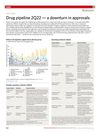
 Drug approvals slowed in 2Q22, but notable drugs like Amvuttra, Camzyos, and Olumiant were approved.
 June 2020 in “Journal of Investigative Dermatology”
 Getting insurance to cover the hair loss treatment tofacitinib is hard because it's not officially approved for that use.
A new acne cream effectively reduced acne in trials and awaits FDA approval.
 84 citations
,
August 2023 in “Drugs”
84 citations
,
August 2023 in “Drugs” Ritlecitinib is approved in the USA and Japan for treating severe hair loss in people aged 12 and older.
27 citations
,
October 2020 in “Drugs” Clascoterone cream was approved in the USA for treating acne in people aged 12 and older.
 6 citations
,
September 2018 in “Journal of Dermatological Treatment”
6 citations
,
September 2018 in “Journal of Dermatological Treatment” LLLT devices for hair loss need more research to define proper guidelines.
 2 citations
,
August 2013 in “The Lancet. Diabetes & endocrinology”
2 citations
,
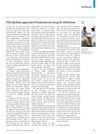
August 2013 in “The Lancet. Diabetes & endocrinology” The FDA rejected a testosterone drug again due to safety concerns.
The FDA did not approve a testosterone drug because of safety concerns.
 1 citations
,
January 2023 in “Cutis”
1 citations
,
January 2023 in “Cutis” The paper concludes that the new medication baricitinib needs further testing in a more diverse group of patients with alopecia areata.
91 citations
,
May 2023 in “Journal of Cutaneous Medicine and Surgery” Alopecia Areata affects 2% globally, with treatments like essential oils, garlic, and JAK inhibitors showing promise, but more research is needed.
 20 citations
,
April 2021 in “Journal of Womens Health”
20 citations
,
April 2021 in “Journal of Womens Health” Testosterone can help premenopausal and postmenopausal women with low sexual desire, but its long-term safety is unclear and it's not widely approved for this use.
 19 citations
,
February 2018 in “Cell Stem Cell”
19 citations
,
February 2018 in “Cell Stem Cell” Japan improved its regulation of regenerative medicine to ensure safety and prevent unproven treatments.
18 citations
,
December 2024 in “Journal of Drugs in Dermatology” Exosomes could improve skin and hair treatments, but more research and regulation are needed.
 10 citations
,
July 1997 in “Dermatologic Clinics”
10 citations
,
July 1997 in “Dermatologic Clinics” Laser hair transplantation can be effective but should be limited to small areas and requires more training to ensure safety and effectiveness.
 6 citations
,
June 2000 in “Psychiatric Services”
6 citations
,
June 2000 in “Psychiatric Services” Maintaining sexual health after menopause is possible with patient approaches, hormone supplements, and therapy, despite needing more research.
4 citations
,
May 2020 in “Journal of the American Academy of Dermatology” HS patients rarely see dermatologists, often get opiates, and need better care.
1 citations
,
January 2015 in “Hair transplant forum international” Strict regulations may slow down new LLLT treatments.
 May 2026 in “Journal of Skin and Sexually Transmitted Diseases”
 Upadacitinib effectively treats skin conditions like eczema and psoriasis and is becoming more widely used and affordable.
April 2026 in “Dermatological Reviews” Exosome-based therapies in dermatology show promise but face challenges in standardization, regulation, and safety.
 March 2026 in “JMIR Dermatology”
 Interest in JAK inhibitors for alopecia areata increased significantly after FDA approval, highlighting the need for patient education.

Interest in JAK inhibitors for hair loss increased significantly after media coverage and FDA approval.
April 2025 in “Skin Health and Disease” Oral minoxidil is an effective alternative for hair loss but may cause more unwanted hair growth.

Robotic-assisted hair transplant is effective and less painful, but needs more evaluation for long-term results.
Photography helps track hair loss and supports treatment approvals.
 September 2015 in “Korean Journal of Clinical Pharmacy”
 Dutasteride is highly effective for hair loss treatment in Korea, with more side effects than finasteride.
 April 2015 in “Reactions Weekly”
 Finasteride toxicity information is limited, poor quality, and biased.
 1 citations
,
December 2014
1 citations
,
December 2014 Some drugs have gained approval for new uses, while others like tricyclic antidepressants and aspirin show promise but aren't yet approved for these uses.