 June 2017 in “Journal of the American Academy of Dermatology”
 Tofacitinib is effective and safe for treating severe alopecia areata and related conditions.
75 citations
,
August 2005 in “Expert Opinion on Pharmacotherapy” Acitretin is effective for certain types of psoriasis, safe for long-term use, and often combined with other treatments.
10 citations
,
January 2018 in “International Journal of Trichology” Mesalazine may help treat extensive alopecia areata effectively.
June 2026 in “Khyber Journal Of Medical Sciences” Tofacitinib works better than methotrexate for severe alopecia in the short term.
August 2025 in “Skin Appendage Disorders” TCM is an effective and safe treatment for primary cicatricial alopecias.
 May 2024 in “Journal of cosmetic dermatology”
 Tofacitinib is an effective and safe treatment for alopecia areata.
March 2025 in “Journal of Investigative Dermatology” 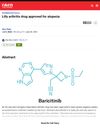 June 2022 in “C&EN global enterprise”
 The drug Olumiant is now approved to treat severe hair loss from alopecia and can also be used for some hospitalized COVID-19 patients.
 1 citations
,
August 2021 in “Journal of The American Academy of Dermatology”
1 citations
,
August 2021 in “Journal of The American Academy of Dermatology” Baricitinib helped improve hair, eyebrow, and eyelash growth in alopecia areata patients.
1 citations
,
April 2023 in “Portuguese Journal of Dermatology and Venereology” JAK inhibitors are effective treatments for alopecia areata.
1 citations
,
January 2026 in “International Journal of Dermatology” Amivantamab can cause severe skin eruptions and scarring, requiring drug discontinuation and early treatment.
27 citations
,
June 2017 in “Expert opinion on investigational drugs” New anti-acne medications are being tested to offer alternatives to current treatments.
 August 2018 in “Journal of The American Academy of Dermatology”
 Oral alitretinoin is effective for certain types of chronic hand eczema, with mild side effects.
1 citations
,
February 2025 in “Pediatric Dermatology” Tofacitinib helps hair regrow in some kids with severe alopecia areata, but more research is needed on long-term effects.
Combining pentoxifylline with corticosteroids improves alopecia areata treatment.
15 citations
,
January 2006 in “British Journal of Dermatology” A woman with skin eruptions and hair loss improved significantly with ointment treatment.
May 2025 in “Pakistan Armed Forces Medical Journal” Dithranol is more effective than Tacrolimus for hair regrowth in alopecia areata.
 January 2026 in “International Journal of Innovative Technologies in Social Science”
 JAK inhibitors show promise for treating alopecia areata, but more research is needed.
 September 2022 in “Journal of the American Academy of Dermatology”
 The registry showed that tofacitinib is promising for treating hair loss in children with alopecia areata, but more research is needed.
12 citations
,
July 2012 in “Journal of cutaneous medicine and surgery” Adalimumab was safe but mostly ineffective for severe alopecia areata.
Triamcinolone acetonide and betamethasone 1.75 mg/ml are both effective for treating alopecia areata.
Baricitinib works better than methotrexate for severe alopecia areata.
52 citations
,
February 2009 in “Journal of the American Academy of Dermatology” A 93-year-old woman developed a rare scalp condition after therapy, which improved with steroids, not antibiotics.
September 2024 in “Annals of Medicine and Surgery” Ritlecitinib is the first FDA-approved pill for treating significant hair loss in alopecia areata patients aged 12 and up.
December 2024 in “The American Journal of Gastroenterology” Tofacitinib effectively treated both alopecia areata and Crohn's disease in a 12-year-old.
 13 citations
,
June 2010 in “Journal of dermatological treatment”
13 citations
,
June 2010 in “Journal of dermatological treatment” Diphencyprone is effective for treating patchy hair loss in alopecia areata, but tacrolimus is not.
July 2024 in “Journal of Investigative Dermatology” Topical corticosteroids are recommended first for treating pediatric alopecia areata due to safety and ease of use.
May 2024 in “Drugs & Therapy Perspectives” New treatments like JAK inhibitors offer hope for better alopecia areata management.
 March 2024 in “Ukraïnsʹkij žurnal dermatologìï, venerologìï, kosmetologìï”
 Topical retinoids are important for treating acne effectively and safely.
 2 citations
,
October 2022 in “Current Allergy and Asthma Reports”
2 citations
,
October 2022 in “Current Allergy and Asthma Reports” Biologic therapies can cause various adverse events, but allergy/immunology clinicians can manage them.