 3 citations
,
July 2017 in “International journal of medicine”
3 citations
,
July 2017 in “International journal of medicine” Intralesional triamcinolone acetonide effectively treats alopecia areata, as shown by significant improvements in hair regrowth and dermoscopic indicators.
 January 2023 in “Journal of The American Academy of Dermatology”
 Baricitinib helped most teenagers with severe hair loss regrow hair and had mild side effects.
Ritlecitinib improves hair regrowth in alopecia areata without increasing adverse risks.
 4 citations
,
September 2022 in “Journal of The American Academy of Dermatology”
4 citations
,
September 2022 in “Journal of The American Academy of Dermatology” Baricitinib was effective in regrowing hair in patients with different levels of alopecia areata severity.

Baricitinib quickly improved severe alopecia areata, with almost total hair regrowth in three months.
8 citations
,
March 2023 in “PubMed” JAK inhibitors show promise in treating difficult skin diseases.
9 citations
,
April 2023 in “Experimental Dermatology” Allergen desensitization reduces hair loss severity in dust-mite allergic alopecia areata patients.
28 citations
,
January 2005 in “PubMed” Topical immunomodulators are effective and safe for treating immune-related skin conditions.
June 2026 in “British Journal of Dermatology” Amivantamab treatment often causes skin issues that can affect quality of life and treatment continuation.
Tretinoin is used topically to treat acne, skin aging, and various skin conditions.
 78 citations
,
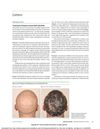
March 2017 in “JAMA Dermatology”
78 citations
,
March 2017 in “JAMA Dermatology” Tofacitinib helped regrow hair in people with severe alopecia, but side effects occurred and benefits stopped after treatment ended.
Ritlecitinib significantly regrows scalp hair in people with alopecia areata.
April 2022 in “Reactions Weekly” July 2025 in “Journal of Investigative Dermatology” Baricitinib stops hair loss and promotes regrowth in alopecia areata.
18 citations
,
October 2019 in “European Journal of Dermatology” 2 citations
,
April 2025 in “Biologics” Dupilumab and ustekinumab are promising treatments for alopecia areata, showing significant hair regrowth.
June 2025 in “Preprints.org” Baricitinib improves alopecia areata and may help psoriasis but might not be ideal for psoriatic arthritis.
22 citations
,
March 1999 in “International Journal of Clinical Practice” Diphencyprone (DCP) is an effective treatment for severe alopecia areata and resistant warts, with some risks.
December 2022 in “Zenodo (CERN European Organization for Nuclear Research)” Topical finasteride effectively treats hair loss and acne with fewer side effects than oral forms.
September 2025 in “Journal of the American Academy of Dermatology” Some JAK inhibitors are effective for significant hair regrowth in alopecia areata.
March 2026 in “Immunological Medicine” Janus kinase inhibitors help some people with severe alopecia areata regrow hair, but not everyone responds, and relapses can happen.
 7 citations
,
April 2023 in “Frontiers in immunology”
7 citations
,
April 2023 in “Frontiers in immunology” Oral baricitinib and ruxolitinib are effective and safe for treating alopecia areata.
 2 citations
,
June 2022 in “Journal of cosmetic dermatology”
2 citations
,
June 2022 in “Journal of cosmetic dermatology” Dupilumab can help hair regrowth but may also trigger alopecia areata.
November 2025 in “SKIN The Journal of Cutaneous Medicine” Ritlecitinib is effective long-term for treating alopecia areata in teens.
2 citations
,
November 2007 in “Clinics in dermatology” Tofacitinib may be an effective and safe treatment for adolescent alopecia areata.
January 2025 in “SiSli Etfal Hastanesi Tip Bulteni / The Medical Bulletin of Sisli Hospital” PRP injections are safe and effective for alopecia areata, but steroids are still the preferred treatment.
 5 citations
,
July 2021 in “medRxiv (Cold Spring Harbor Laboratory)”
5 citations
,
July 2021 in “medRxiv (Cold Spring Harbor Laboratory)” Proxalutamide improved blood markers related to inflammation, immune response, and clotting in COVID-19 patients, potentially reducing hospitalizations.
6 citations
,
October 2024 in “Journal of Family Medicine and Primary Care” Primary care doctors need to monitor JAK and TYK-2 inhibitors carefully for skin conditions.
1 citations
,
April 2025 in “Acta Dermato Venereologica” Methotrexate is best for lichen planopilaris, and retinoids are best for frontal fibrosing alopecia, but side effects are common.
December 2025 in “The Journal of Dermatology” Ritlecitinib effectively reduces hair loss in JAK inhibitor-naïve alopecia areata patients.