 November 2024 in “Journal of Cosmetic Dermatology”
 Baricitinib is effective for severe alopecia areata but has some side effects.
January 2007 in “Frontiers in Medicine” Tofacitinib works well for treating alopecia areata, especially when combined with corticosteroids, but is less effective if the disease has lasted over 2 years.
 June 2017 in “Journal of The American Academy of Dermatology”
 Tapinarof cream at 1% concentration is effective and better tolerated for treating atopic dermatitis than the 2% concentration.
August 2026 in “Australasian Journal of Dermatology” JAK inhibitors improved hair regrowth in children with alopecia areata and were generally safe.
19 citations
,
April 2014 in “Veterinary Dermatology” Demodicosis should be considered in cats with facial skin issues exposed to inhalant glucocorticoids.
 January 1988 in “Inpharma (Balgowlah)”
 New retinoids are effective for various skin conditions and are being developed to have fewer side effects.
 10 citations
,
January 2023 in “Acta dermato-venereologica”
10 citations
,
January 2023 in “Acta dermato-venereologica” Baricitinib and deuruxolitinib are effective for treating alopecia areata, but their efficacy depends on the dose.
 January 2024 in “Skin Research and Technology”
 Oral tofacitinib may be an effective future treatment for children with severe alopecia areata, but more research is needed.
4 citations
,
January 2025 in “Dermatologica Sinica” Experts recommend personalized treatment plans for alopecia areata, using corticosteroids and minoxidil for mild cases, and stronger medications for severe cases.
12 citations
,
January 2024 in “Journal of the American Academy of Dermatology” November 2022 in “International Journal of Trichology” Finasteride can cause rare but serious skin rashes.
21 citations
,
May 2024 in “Journal of Ethnopharmacology” 2 citations
,
October 2025 in “Frontiers in Medicine” Deuruxolitinib effectively improves hair regrowth in alopecia areata but requires monitoring for side effects.
July 2025 in “International Journal of Trichology” Intralesional methotrexate and triamcinolone acetonide are more effective than Vitamin D3 for treating alopecia areata.
 July 2025 in “Journal of Investigative Dermatology”
 AMP-303 safely increases hair growth in men with hair loss.
 11 citations
,
November 2019 in “Journal of the American Academy of Dermatology”
11 citations
,
November 2019 in “Journal of the American Academy of Dermatology” Oral tofacitinib is a promising treatment for beard hair loss in alopecia areata.
14 citations
,
August 2014 in “Journal of the American Academy of Dermatology” Diphenylcyclopropenone (DPCP) is effective in treating alopecia areata, with most patients showing significant hair regrowth.
29 citations
,
December 2019 in “Expert review of clinical pharmacology” JAK inhibitors are a promising new treatment for hair loss and nail problems in alopecia areata.
86 citations
,
June 2018 in “Cochrane library” Mycophenolate mofetil may improve lupus nephritis remission more than cyclophosphamide but with uncertain safety.
14 citations
,
September 2015 in “PubMed” Alopecia areata can be managed with various treatments, and severe cases should be referred to dermatologists.
 1 citations
,
June 2024 in “British Journal of Dermatology”
1 citations
,
June 2024 in “British Journal of Dermatology” Mycophenolate mofetil effectively improved skin pigmentation and itching in a woman with lichen planus pigmentosus and frontal fibrosing alopecia.
October 2021 in “Book Publisher International (a part of SCIENCEDOMAIN International)” The combination therapy of microdermabrasion and steroid injections is more effective for treating scalp Alopecia Areata than steroid injections alone.
 4 citations
,
September 2018 in “The Journal of Dermatology”
4 citations
,
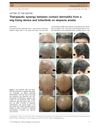
September 2018 in “The Journal of Dermatology” A man's hair regrew from alopecia areata after using tofacitinib and experiencing contact dermatitis from a wig device.
227 citations
,
April 2023 in “The Lancet” Ritlecitinib effectively treats alopecia areata and is well-tolerated.
 April 1992 in “Current opinion in therapeutic patents”
 New steroids were patented as effective for treating acne, hair loss, and other conditions related to hormones.
July 2026 in “Advances in Therapy” Clinicians prefer JAK inhibitors that regrow scalp hair quickly and effectively for alopecia areata.
5 citations
,
June 2002 in “Clinical and Experimental Dermatology” Alopecia areata management involves explaining the condition, using treatments like steroids and immunotherapy, and providing support like counseling and wigs.
June 2025 in “Indus journal of bioscience research.” Oral tofacitinib is more effective than oral minoxidil for treating alopecia areata.
 238 citations
,
November 2016 in “Journal of The American Academy of Dermatology”
238 citations
,
November 2016 in “Journal of The American Academy of Dermatology” Tofacitinib is effective and safe for severe hair loss, but full regrowth is less likely after 10 years of hair loss.
 3 citations
,
July 2017 in “International journal of medicine”
3 citations
,
July 2017 in “International journal of medicine” Intralesional triamcinolone acetonide effectively treats alopecia areata, as shown by significant improvements in hair regrowth and dermoscopic indicators.