 18 citations
,
January 2020 in “Acta dermato-venereologica”
18 citations
,
January 2020 in “Acta dermato-venereologica” Over 67 genes linked to ichthyosis help improve diagnosis and treatment.
39 citations
,
March 1997 in “The Lancet” Acquired perforating dermatosis often affects skin in people with kidney issues and diabetes.
Giant axonal neuropathy changes the structure of keratin in human hair, making it stiffer and stronger.
 September 2017 in “Pediatric Dermatology”
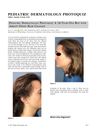
 A 14-year-old boy was diagnosed with a rare hair condition that may lead to hair thinning and has no known effective treatments.
 February 2026 in “International Journal of Homoeopathic Sciences”
 Homeopathic treatment with Arsenicum album improved keratosis pilaris symptoms in one case.
 5 citations
,
September 2015 in “Nepalese journal of ophthalmology”
5 citations
,
September 2015 in “Nepalese journal of ophthalmology” An 11-year-old girl with a rare skin disorder also had cornea issues and dry eye, needing careful management.
Genetic testing can help diagnose skin conditions but needs more research for full effectiveness.
 7 citations
,
June 2015 in “European Journal of Plastic Surgery”
7 citations
,
June 2015 in “European Journal of Plastic Surgery” PRGF treatment safely and effectively helps hair loss.
 July 2022 in “SKIN The Journal of Cutaneous Medicine”
 A new lotion with halobetasol and tazarotene successfully treats acne keloidalis nuchae.
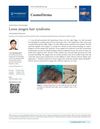 February 2023 in “Cosmoderma”
 Loose anagen hair syndrome causes easily shed hair but usually improves with time.
5 citations
,
March 2005 in “Pediatric dermatology” Keratosis Follicularis Spinulosa Decalvans is a rare genetic disorder causing skin and hair issues, often inherited through the X chromosome.
 13 citations
,
January 2012 in “Case reports in dermatological medicine”
13 citations
,
January 2012 in “Case reports in dermatological medicine” An 84-year-old man got a rare scalp condition from using imiquimod cream, which was cured with systemic steroids.
 February 2025 in “European Journal of Dermatology”
 Androgenetic alopecia is complex and needs more research for better treatments.
January 1998 in “The Nishinihon Journal of Dermatology” A 7-year-old girl was diagnosed with Netherton's Syndrome, shown by skin and hair symptoms.
January 1982 in “Clinical Cosmetic and Investigational Dermatology” Familial dyskeratotic comedones are a rare, inherited skin condition that is hard to treat but may improve slightly with topical retinoids and urea cream.
July 1974 in “Archives of dermatology” The woman's widespread skin condition did not improve despite various treatments.
11 citations
,
February 2011 in “The Journal of Dermatology” Mutations in the hairless gene cause a rare form of permanent hair loss.
8 citations
,
May 2005 in “The American journal of dermatopathology/American journal of dermatopathology” The hair defect is due to abnormal inner root sheath keratinization.
28 citations
,
September 1986 in “Pediatric dermatology” Zinc therapy improved hair health in a girl with acrodermatitis enteropathica.
6 citations
,
July 2017 in “Clinical and Experimental Dermatology” Four new cases confirmed the unique features of follicular porokeratosis.
7 citations
,
January 2023 in “Anti-Cancer Drugs” Early diagnosis and treatment of EGFR inhibitor-induced folliculitis decalvans can prevent permanent hair loss.
41 citations
,
January 1992 in “Journal of medical genetics” The study found that males with KFSD had severe skin and eye symptoms, while female carriers had milder symptoms.
Acne keloidalis nuchae causes scarring on the scalp, mainly in African American males, and early treatment is important to prevent lasting damage.
 September 2024 in “Journal of the American Academy of Dermatology”
 AH-001 could be a safer and more effective treatment for hair loss.
21 citations
,
April 2004 in “Australasian Journal of Dermatology” A 3-year-old girl has a rare condition causing sparse hair and nail issues, with minimal improvement from treatment.
 5 citations
,
April 2021 in “International Journal of Homoeopathic Sciences”
5 citations
,
April 2021 in “International Journal of Homoeopathic Sciences” Homeopathy improved Acne Keloidalis Nuchae in a 14-year-old.
 April 2024 in “The Egyptian Journal of Hospital Medicine ”
 Current treatments for androgenetic alopecia manage symptoms but don't cure it, and it affects social and psychological well-being.
90 citations
,
July 1993 in “Journal of Investigative Dermatology” April 2023 in “Russian Journal of Clinical Dermatology and Venereology” Proteoglycan replacement therapy improved hair conditions in most patients with alopecia.
 41 citations
,
June 2007 in “British Journal of Dermatology”
41 citations
,
June 2007 in “British Journal of Dermatology” Men with Kennedy disease have less chance of hair loss.