 February 2026 in “MDPI (MDPI AG)”
 Exosome-based treatments may improve skin and hair issues, but more research is needed for safety and effectiveness.
December 2025 in “International Journal of Molecular Sciences” Exosome-based therapies show promise for treating alopecia areata but need more research.
January 2024 in “Diagnostics” Long COVID causes a wide range of long-lasting symptoms that change over time and are hard to diagnose and treat.
9 citations
,
April 2022 in “Cell Communication and Signaling” High S100A4 levels worsen glioblastoma by promoting blood vessel growth.
1 citations
,
December 2023 in “Biomolecules” Regulating cell death in hair follicles can help prevent hair loss and promote hair growth.
 January 2025 in “Applied Sciences”
 Sulforaphane from broccoli may help treat certain cancers, hormone issues, and hair loss.
February 2024 in “International journal of molecular sciences” Type 3 Innate Lymphoid Cells help maintain skin health and balance, and are involved in skin diseases and healing.
53 citations
,
July 2016 in “Cosmetics” Future hair cosmetics will be safer and more effective.
24 citations
,
March 2024 in “Antioxidants” Ginger and cinnamon can help manage PCOS and related disorders by reducing oxidative stress and inflammation.
 8 citations
,
January 2023 in “Biosensors”
8 citations
,
January 2023 in “Biosensors” Piezoelectric Nanogenerators are promising for non-invasive health monitoring but need efficiency and durability improvements.
 8 citations
,
October 2022 in “Regenerative Therapy”
8 citations
,
October 2022 in “Regenerative Therapy” New regenerative treatments for hair loss show promise but need more research for confirmation.
6 citations
,
August 2024 in “Viruses” Long COVID is a complex condition with many symptoms and unknowns, needing more research.
 2 citations
,
May 2022 in “Cosmetics”
2 citations
,
May 2022 in “Cosmetics” Further research is needed to understand how the microbiome affects hair loss in Alopecia Areata.
 August 2026 in “Cosmetics”
 Biotics can help reduce acne and scalp issues, but more research is needed.

Apraglutide and N-acetylcysteine (NAC) show promise in reducing cytarabine's harmful effects on organs.
Accurate diagnosis and new therapies are crucial for effectively treating certain types of hair loss.
 April 2026 in “Cosmetics”
 Astragalus plants may improve skin health and have anti-aging benefits.
January 2025 in “Pharmaceuticals” Peptide-based hydrogels are promising for healing chronic wounds effectively.
59 citations
,
October 2017 in “Proceedings of the National Academy of Sciences” ZIP10 is crucial for skin development and maintaining healthy skin.
51 citations
,
July 2013 in “Brain Research” Testosterone needs to be converted to DHT to reduce stress response in male rats.
138 citations
,
June 2023 in “Molecules” Skin pigmentation varies due to genetics, UV exposure, and drugs, with treatments available but requiring medical advice.
 23 citations
,
October 2021 in “Cell Stem Cell”
23 citations
,
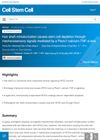
October 2021 in “Cell Stem Cell” Hair thinning causes stem cell loss through a process involving Piezo1, calcium, and TNF-α.
3 citations
,
April 2025 in “International Journal of Molecular Sciences” TSG from Polygonum multiflorum may help with anti-aging by protecting the brain, heart, bones, and hair.
 March 2026 in “Pharmaceuticals”
 Reporter characteristics affect detection of hair loss from cancer therapy.
 February 2026 in “Preprints.org”
 Reporter characteristics affect detection of hair loss from cancer therapy.
December 2025 in “Current Issues in Molecular Biology” Cytarabine can cause multiple organ toxicities, especially neurotoxicity, but better research methods are needed to fully understand and predict these effects.
Gut bacteria pathways may help treat hair loss in obese people.
52 citations
,
August 2021 in “Microorganisms” Higher ACE2 levels in certain tissues may worsen COVID-19 in people with other health issues, especially older adults.
 12 citations
,
April 2020 in “British Journal of Dermatology”
12 citations
,
April 2020 in “British Journal of Dermatology” Caffeine may help reduce stress-induced hair loss.
4 citations
,
July 2021 in “Frontiers in Cell and Developmental Biology” DLX5 helps hair follicle stem cells differentiate by activating a specific pathway.