Search
for
Sort by
Research
720-750 / 1000+ resultsresearch Saccharomyces cerevisiae BLYAS, a New Bioluminescent Bioreporter for Detection of Androgenic Compounds
The engineered yeast strain BLYAS can quickly and sensitively detect androgenic chemicals.
research Retinoic acid exerts sexually dimorphic effects on muscle energy metabolism and function
Retinoic acid affects male and female muscle energy use and function differently.

research Deep phenotyping of skin tissue remodeling in patients with systemic sclerosis treated with CD19-CAR T cells
CD19-CAR T cell therapy may help regenerate skin in systemic sclerosis.
research Can the Second to Fourth Digit Ratio (2D : 4D) Be a Marker to Determine Ankylosing Spondylitis Disease Activity?
The index to ring finger ratio may indicate disease severity in female ankylosing spondylitis patients, but not in males.
research Decision letter: Arabidopsis formin 2 regulates cell-to-cell trafficking by capping and stabilizing actin filaments at plasmodesmata
Arabidopsis Formin 2 stabilizes actin filaments to aid cell-to-cell trafficking.
research GENOME REPORT: Chromosome-scale genome assembly of the African spiny mouse (Acomys cahirinus)
The improved genome of the African spiny mouse helps study its tissue regeneration.
research PCA: A tFNA-based targeted nucleic acid nanocomposite hydrogel for the treatment of androgenetic alopecia through the promotion of angiogenesis and hair follicle stem cell proliferation
PCA hydrogel promotes hair growth by enhancing blood vessel formation and hair follicle stem cell activity.
research Plant growth and phosphorus accumulation of wild type and two root hair mutants of Arabidopsis thaliana (Brassicaceae)
Root hairs help Arabidopsis plants absorb more phosphorus when it's scarce.
research Pharmacology and Potential Use of Cyproterone Acetate
Cyproterone Acetate effectively treats androgen-related conditions and is used in prostate cancer therapy and hormone therapy for transgender women.
research PROTACs in 2025: from the laboratory concept to clinical breakthrough
PROTACs have become a breakthrough in medicine by effectively targeting and degrading specific proteins to treat diseases.
research Baricitinib Treatment Increases Eyebrow and Eyelash Regrowth Up to 52 Weeks
research Nucleation and growth of macrofibrils in trichocyte (hard-α) keratins
Sheet formation is key to macrofibril structure differences in wool.
research Metabolic pathway of Cis-UCA upon Ultraviolet B (UVB) exposure using ¹H Nuclear Magnetic Resonance (NMR) spectroscopy, Molecular Docking and cell viability of human keratinocytes (HaCaT) cell lines
Cis-UCA can form new compounds without enzymes, and sulphide donors reduce its UVB-induced toxicity in skin cells.
research Antiacne and Anti-Inflammatory Effects of Phenolic Compounds from Quercus acutissima Carruth. Leaves
Phenolic compounds from Quercus acutissima leaves, especially casuarinin, may help treat acne.
research Relationship between gut microbiota and osteoarthritis: a scientometric analysis
Modifying gut bacteria may help treat and prevent osteoarthritis.
research Association of the Androgenetic Alopecia with Coronary Artery Disease: A Case Control Study
Men with severe androgenetic alopecia, especially on the top of the head, have a higher risk of coronary artery disease.
research A novel method for visualizing hair lipids at the cell membrane complex: Argon sputter etching/scanning electron microscopy1
The method shows how hair lipids form specific patterns and their roles in hair structure.
research Author response: Arabidopsis formin 2 regulates cell-to-cell trafficking by capping and stabilizing actin filaments at plasmodesmata
Arabidopsis Formin 2 stabilizes actin filaments, affecting cell-to-cell movement and virus susceptibility.
research Efficacy of Cosmerna ARI in Improving Androgenetic Alopecia in Europeans: A Double-Blind, Randomized, Placebo-Controlled Clinical Trial over 6 months
Cosmerna ARI effectively reduces hair loss and increases hair density in Europeans with androgenetic alopecia.
research 706 Predictive modeling of patient response to JAK/STAT inhibitors and dynamic patient-matching
Machine learning can predict how well patients with alopecia areata will respond to certain treatments.
research A case of atopic dermatitis with alopecia universalis in a patient treated with abrocitinib
Abrocitinib, a JAK inhibitor, may help treat atopic dermatitis and alopecia universalis together.
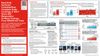
research Baricitinib Achieved Complete/Near Complete Scalp Coverage in SALT Score ≤20 Responders: 52-Week Findings From BRAVE-AA Trials
Baricitinib significantly regrows hair in severe alopecia areata patients.
research Lambertianic Acid from Platycladus orientalis Inhibits Muscle Atrophy in Dexamethasone-Induced C2C12 Muscle Atrophy Cells
Lambertianic acid helps prevent muscle wasting.
research A phase I study of MK-5108, an oral aurora A kinase inhibitor, in both monotherapy and in combination with docetaxel in patients with advanced solid tumors.
MK-5108 is safe and shows potential against tumors, especially alone.
research URB expression in human dermal papilla cells
The gene URB is more active in human hair growth cells and responds to a hair-related hormone.
research Expression of retinoic acid receptors and dermal-epidermal interactions during mouse skin morphogenesis
Retinoic acid can change skin development, like turning scales into feathers or forming glands.
research The efficiency of Arabidopsis thaliana (Brassicaceae) root hairs in phosphorus acquisition
Arabidopsis thaliana root hairs efficiently acquire phosphorus in low-phosphorus conditions.

research P64 Efficacy of baricitinib in patients with different degrees of severe alopecia areata: 52-week results from BRAVE-AA1 and BRAVE-AA2
Baricitinib was effective in treating severe and very severe alopecia areata after 52 weeks.
research Expression of AKT1 along with AKT2 in granulosa-lutein cells of hyperandrogenic PCOS patients
The study found that women with hyperandrogenic PCOS have higher levels of AKT1 and AKT2 proteins in their cells, which may lead to cell dysfunction.