November 2023 in “SKIN The Journal of Cutaneous Medicine” Ritlecitinib effectively maintains hair regrowth in alopecia areata patients.
January 2026 in “ACS Applied Bio Materials” A new treatment using nanoliposomes can improve hair regrowth in androgenetic alopecia.
 3 citations
,
January 1989 in “Journal of Japan Oil Chemists Society”
3 citations
,
January 1989 in “Journal of Japan Oil Chemists Society” AMT is the best surfactant for hair and scalp care.
March 2024 in “Nutrients” Alopecia Areata is linked to specific gut bacteria and metabolites, indicating a complex gut microbiome.
78 citations
,
August 1996 in “The Journal of Clinical Endocrinology & Metabolism” The same gene mutation can cause different symptoms in family members.
2 citations
,
February 2025 in “Archives of Dermatological Research” Baricitinib is a safe and effective alternative for alopecia areata patients who do not respond to tofacitinib.
1 citations
,
September 2023 in “Frontiers in Genetics” A heterozygous mutation in HTRA1 can cause severe CARASIL symptoms.
 29 citations
,
January 2003 in “Dermatology”
29 citations
,
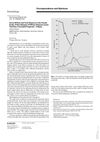
January 2003 in “Dermatology” The condition called 'acute diffuse and total alopecia of the female scalp' is actually a known condition named alopecia areata incognita.
 January 2017 in “Medeniyet medical journal”
 Early onset baldness may be linked to thicker artery walls.
 January 2024 in “Dermatologic Surgery”
 The device is useful for anesthesia, healing treatments, and preventing hair loss.