
Baricitinib effectively promotes regrowth of eyebrows and eyelashes in alopecia areata patients.
January 2014 in “The Journal of Dermatology” Korean adolescents with androgenetic alopecia often have a family history, milder symptoms than adults, and normal hormone levels.
April 2025 in “ALEXMED ePosters” CXCL12 can both help and harm hair growth in alopecia areata.
June 2026 in “Journal of Cosmetic Dermatology” Microneedle delivery of a special collagen shows promise for treating hair loss.
 December 2025 in “Applied Sciences”
 Argan oil complexes improve hair treatment by enhancing stability, antibacterial properties, and hair texture.
18 citations
,
August 2012 in “Chinese journal of integrative medicine/Chinese Journal of Integrative Medicine” Both treatments for alopecia areata are equally effective and safe.
 July 2023 in “Clinical and Experimental Dermatology”
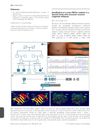
 Combining baricitinib with low-dose corticosteroids significantly improved severe hair loss in eight patients.
 23 citations
,
December 2013 in “British Journal of Dermatology”
23 citations
,
December 2013 in “British Journal of Dermatology” A new gene mutation linked to a skin condition was found in a Spanish family.
 April 2026 in “Zenodo (CERN European Organization for Nuclear Research)”
 DHT increases scalp heat, causing hair loss.
December 2025 in “International Journal of Dermatology” Björnstad syndrome can cause hair loss similar to androgenetic alopecia, and treatment with baricitinib and minoxidil may help.
 May 2019 in “Asian Journal of Pharmaceutical and Clinical Research”
 Eclipta prostrata, particularly its chloroform fraction, effectively reduces inflammation and arthritis.
2 citations
,
February 2021 in “PubMed” Koilonychia in alopecia areata can improve with oral corticosteroids.
 January 2011 in “International Journal of Trichology”
 The document concludes that doctors should recognize congenital triangular alopecia to avoid unnecessary treatments, as it does not respond to steroids like alopecia areata does.
January 2015 in “Faculty of 1000 Research Ltd” Androgenetic alopecia may be irreversible due to the detachment of a muscle from hair follicles.
July 1999 in “Journal of the American Academy of Dermatology”  10 citations
,
January 1977 in “Archives of Dermatology”
10 citations
,
January 1977 in “Archives of Dermatology” Androgenetic Alopecia is commonly known as male or female pattern baldness.

Early recognition and zinc treatment can effectively improve acrodermatitis symptoms.
As people age, certain enzymes in scalp glands decrease, affecting hair health.
12 citations
,
August 2013 in “Journal of Dermatological Science” The MAGE3 hypothesis for alopecia areata did not lead to a significant breakthrough.
May 2014 in “Japanese Society of Anti-Aging Medicine”  October 2025 in “Dermatology and Therapy”
 Ritlecitinib is being tested for effectiveness and safety in treating severe alopecia areata.
 2 citations
,
September 1980 in “Experientia”
2 citations
,
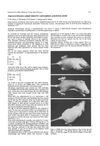
September 1980 in “Experientia” Polyethylene alanine caused hair loss in young lab animals but not in adults, with hair regrowth occurring within 20 days.
 4 citations
,
May 2025 in “Dermatology and Therapy”
4 citations
,
May 2025 in “Dermatology and Therapy” Baricitinib effectively improves symptoms of atopic dermatitis and alopecia areata with few side effects.
10 citations
,
January 2013 in “International Journal of Trichology” Systemic steroids effectively treated severe nail issues in a card illusionist with alopecia areata.
 2 citations
,
November 2018 in “Clinical and Experimental Dermatology”
2 citations
,
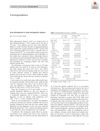
November 2018 in “Clinical and Experimental Dermatology” Acne is more common in men with male pattern baldness due to increased hormone levels.
 January 2025 in “International Journal of Dermatology Sciences”
 Nail changes in alopecia areata are common and may indicate severity and genetic risk.
 60 citations
,
January 2007 in “Human Genetics”
60 citations
,
January 2007 in “Human Genetics” AR polyglycine repeat doesn't cause baldness.
 June 2026 in “Bulletin of Mathematical Biology”
 AGA causes more uncertainty in hair growth duration, while AA leads to a shorter, predictable growth phase.
 2 citations
,
October 2020 in “Journal of Investigative Dermatology Symposium Proceedings”
2 citations
,
October 2020 in “Journal of Investigative Dermatology Symposium Proceedings” The botanical treatment for hair loss shows promise, especially for children.
 August 2025 in “International Journal of Research in Dermatology”
 Increasing zinc intake improved skin and hair symptoms in a rare genetic disorder.