40 citations
,
September 2014 in “Journal of cosmetic and laser therapy” Transepidermal drug delivery effectively treated areata alopecia with minimal side effects.
 72 citations
,
January 2001 in “Drugs”
72 citations
,
January 2001 in “Drugs” Minoxidil and finasteride treat hair loss; more research needed for other options.
 44 citations
,
October 2017 in “Journal of the American Academy of Dermatology”
44 citations
,
October 2017 in “Journal of the American Academy of Dermatology” Tofacitinib is effective and safe for treating severe hair loss in Korean patients.
44 citations
,
October 2009 in “Journal of the American Academy of Dermatology” Topical bexarotene 1% gel might help regrow hair in alopecia areata and is generally safe.
 31 citations
,
October 2010 in “Journal of the European Academy of Dermatology and Venereology”
31 citations
,
October 2010 in “Journal of the European Academy of Dermatology and Venereology” Some people with heavy hair shedding might actually have a hidden form of alopecia, which can be identified by specific hair changes.
 11 citations
,
January 2022 in “Journal der Deutschen Dermatologischen Gesellschaft”
11 citations
,
January 2022 in “Journal der Deutschen Dermatologischen Gesellschaft” Alopecia areata is a chronic condition causing hair loss, with new treatments targeting the immune system showing promise.
 11 citations
,
January 2020 in “Dermatologica Sinica”
11 citations
,
January 2020 in “Dermatologica Sinica” Tofacitinib helps regrow hair in severe alopecia patients, but more research is needed.
2 citations
,
February 2024 in “JAAD International” Sebaceous gland maturity and size differ between psoriatic alopecia and alopecia areata.
1 citations
,
August 2023 in “Clinical Cosmetic and Investigational Dermatology” Exclamation mark hairs help distinguish syphilitic alopecia from alopecia areata.
 1 citations
,
July 2020 in “Journal of cosmetic dermatology”
1 citations
,
July 2020 in “Journal of cosmetic dermatology” A woman on immunosuppressants developed two rare scalp conditions, which improved with specific treatments.
 1 citations
,
October 2013 in “Expert Review of Dermatology”
1 citations
,
October 2013 in “Expert Review of Dermatology” Diagnosing alopecia areata is challenging and requires careful examination and various tests to distinguish it from other hair loss types.
 June 2023 in “Skin Research and Technology”
 High-resolution MRI can distinguish between tertiary androgenetic alopecia and severe alopecia areata by measuring scalp and tissue thickness and hair follicle depth.
 January 2023 in “Asian Journal of Pediatric Research”
 Trichoscopy is crucial for diagnosing and assessing alopecia areata in children.
164 citations
,
November 1989 in “Clinical and Experimental Dermatology” Juvenile alopecia areata is more severe and has a worse prognosis than maturity-onset alopecia areata.
 151 citations
,
February 2007 in “International Journal of Dermatology”
151 citations
,
February 2007 in “International Journal of Dermatology” Alopecia areata causes hair loss, has no cure, and various treatments exist.
143 citations
,
January 2007 in “The American Journal of Human Genetics” Certain genes on chromosomes 6, 10, 16, and 18 may increase the risk of alopecia areata.
143 citations
,
January 2004 in “Journal of Investigative Dermatology Symposium Proceedings” Alopecia areata is an autoimmune disease causing hair loss, treatable with immune-modulating drugs, and linked to genetics.
106 citations
,
January 2013 in “Clinical and Developmental Immunology” Alopecia areata is caused by immune system attacks on hair follicles, often triggered by viral infections.
105 citations
,
December 1995 in “British journal of dermatology/British journal of dermatology, Supplement” PUVA treatment is generally ineffective for alopecia areata.
86 citations
,
January 2020 in “British Journal of Dermatology” The AA-IGA scale reliably measures treatment success in alopecia areata by considering both clinician and patient views.
75 citations
,
June 2005 in “Archives of Dermatology” Etanercept may not prevent alopecia areata from coming back.
 72 citations
,
February 2011 in “The American Journal of Dermatopathology”
72 citations
,
February 2011 in “The American Journal of Dermatopathology” Anti-TNF therapy can cause a unique type of hair loss that may get better with topical treatments without stopping the therapy.
 71 citations
,
March 2009 in “Seminars in cutaneous medicine and surgery”
71 citations
,
March 2009 in “Seminars in cutaneous medicine and surgery” Alopecia areata can cause unpredictable hair loss, and treatments like corticosteroids and minoxidil may help but have varying side effects.
69 citations
,
February 2008 in “The American journal of pathology” Controlled delivery of specific RNA and IL-4 restored hair growth in mice with autoimmune alopecia.
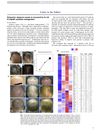 68 citations
,
November 2015 in “The Journal of Allergy and Clinical Immunology”
68 citations
,
November 2015 in “The Journal of Allergy and Clinical Immunology” Blocking IL-12/IL-23p40 helped reverse severe hair loss in patients.
 64 citations
,
July 1997 in “Journal of The American Academy of Dermatology”
64 citations
,
July 1997 in “Journal of The American Academy of Dermatology” Finding eosinophils near hair bulbs helps diagnose alopecia areata.
63 citations
,
March 2020 in “Clinical Cosmetic and Investigational Dermatology” Alopecia areata affects many in the US, impacting quality of life, with limited treatment options.
62 citations
,
January 2015 in “Journal of Dermatological Science” New genetic discoveries may lead to better treatments for alopecia areata.
 61 citations
,
January 2015 in “Indian Journal of Plastic Surgery”
61 citations
,
January 2015 in “Indian Journal of Plastic Surgery” Platelet-rich plasma treatment could potentially be an effective way to treat chronic alopecia areata with minimal side effects.
 60 citations
,
October 2009 in “Dermatology”
60 citations
,
October 2009 in “Dermatology” Alopecia areata may appear differently depending on the individual's type of hair loss and scalp condition.