 September 2023 in “Nature Communications”
 Immune cells are essential for skin regeneration using biomaterial scaffolds.
 June 2023 in “Stem cell reviews and reports”
 Stem cell therapies could be a promising alternative for hair loss treatment, but more research is needed to understand their full potential and safety.
March 2009 in “Dermatology Online Journal” Manipulating EGFR signaling may help treat hair loss and promote hair growth.
March 2025 in “Dermatology Online Journal” Dermatologists should guide transgender patients on effective hair growth and loss treatments during hormone therapy.
 1 citations
,
October 2020 in “Journal of Cosmetic Dermatology”
1 citations
,
October 2020 in “Journal of Cosmetic Dermatology” Possible link between hair loss and metabolic syndrome, with RANTES as a potential clue.
January 2009 in “Journal of Clinical Dermatology” CAG repeat numbers in the AR gene likely don't affect hair loss in Korean men.
September 2025 in “Radboud University Press eBooks” AHR ligands could treat inflammatory skin diseases.
January 2026 in “Clinical and Experimental Dermatology” Ruxolitinib helped a patient with alopecia areata regrow hair.
A new method allows for controlled, long-lasting delivery of retinoic acid through the skin with less inflammation.
 10 citations
,
December 2005 in “Aktuelle Dermatologie”
10 citations
,
December 2005 in “Aktuelle Dermatologie” Alfatradiol (0.025%) is an effective and safe treatment for hair loss in both women and men.
 14 citations
,
November 2011 in “Journal of The American Academy of Dermatology”
14 citations
,
November 2011 in “Journal of The American Academy of Dermatology” Alopecia Areata Incognita causes widespread hair thinning, and treatment with systemic corticosteroids and psychiatric support can lead to remission.
8 citations
,
October 2013 in “Der Hautarzt” Androgenetic alopecia requires a personalized treatment plan and psychological support to improve quality of life.
 18 citations
,
May 2015 in “Australasian Journal of Dermatology”
18 citations
,
May 2015 in “Australasian Journal of Dermatology” Serenoa repens extract in topical products improves hair growth and appearance in male pattern baldness with mild side-effects.
 13 citations
,
June 2015 in “International Journal of Dermatology”
13 citations
,
June 2015 in “International Journal of Dermatology” Non-obese women with hair loss have higher heart disease risk.
January 2026 in “Journal of Cosmetic Dermatology” Topical 4-aminopyridine 5% does not improve hair growth in male pattern baldness.
 18 citations
,
February 2014 in “PubMed”
18 citations
,
February 2014 in “PubMed” Androgenetic alopecia is a common hair loss condition caused by testosterone effects on hair follicles, leading to thinner, shorter, and less pigmented hair, diagnosed using scalp dermoscopy and treated with topical minoxidil, antiandrogen agents, and 5-alpha reductase inhibitors.
CAG repeat numbers in the AR gene likely don't affect male pattern baldness in Korean men.
 1 citations
,
April 2020 in “Journal of The American Academy of Dermatology”
1 citations
,
April 2020 in “Journal of The American Academy of Dermatology” 5ARI treatment improves hair growth in older men with minimal side effects.
2 citations
,
April 2022 in “Der Hautarzt” PRP may help with hair loss, but more research is needed.
February 2023 in “Research Square (Research Square)” Autologous Cellular Micrografts effectively treat hair loss with significant improvements and no dangerous side effects.
 10 citations
,
August 2011 in “Clinics”
10 citations
,
August 2011 in “Clinics” The author clarified that Alopecia Areata Incognita (AAI) and diffuse Alopecia Areata (AA) are different conditions and the case discussed was actually AA, not AAI.
 December 2023 in “Benha Journal of Applied Sciences”
 AGEs and their receptors play a significant role in hair loss by causing inflammation and oxidative stress.
October 2025 in “Annals of Medicine and Surgery” Retinoids may improve hair growth in androgenic alopecia when used with other treatments.
 March 2026 in “Preprints.org”
 Plerixafor may help treat pigmentation disorders by promoting skin repigmentation.
 February 2021 in “Dermatological reviews”
 Nonablative radiofrequency therapy improves hair density, thickness, and growth rate.
 7 citations
,
January 2016 in “Clinical Hemorheology and Microcirculation”
7 citations
,
January 2016 in “Clinical Hemorheology and Microcirculation” AGA patients have higher heart disease risk.
 10 citations
,
November 2015 in “Experimental Dermatology”
10 citations
,
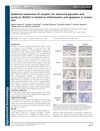
November 2015 in “Experimental Dermatology” Skin RAGE levels are linked to inflammation and cell death.
January 2026 in “Open Science Framework” Oral and topical 5-alpha reductase inhibitors affect DHT levels and hair density differently in treating hair loss.
January 2014 in “Medical Innovation of China” Androgen receptor differences may contribute to hair loss in AGA patients.
 August 2025 in “Journal of Cosmetic Dermatology”
 The dietary supplement AGA-P improves the effectiveness of hair loss treatments.